


Probate Website Valuation
Website valuation for probate in New Zealand is the formal process of determining the fair market value of digital assets, such as e-commerce stores, blogs, or SaaS businesses, for estate distribution. This assessment considers monthly net profit, traffic stability, and technical assets to satisfy High Court requirements and Inland Revenue obligations.
In the modern digital economy, New Zealand estates increasingly include intangible assets that traditional property valuers are ill-equipped to assess. From affiliate marketing blogs generating passive income to full-scale e-commerce operations, digital assets hold significant financial value that must be accurately reported during the probate process.
Whether you are an executor trying to distribute assets fairly among beneficiaries or a solicitor requiring a certified appraisal for the High Court, understanding the nuance of digital asset valuation is critical. Unlike real estate, a website’s value can fluctuate wildly based on traffic algorithms, revenue consistency, and the removal of the original owner (Key Person Risk). This guide details the commercial standards for valuing websites within the New Zealand legal framework.
Determining Fair Market Value for Websites and Online Businesses
When applying for probate in New Zealand, the executor must provide an inventory of assets with their estimated value. For a website, determining the “Fair Market Value” (FMV) is far more complex than checking the government rating valuation (RV) on a house. The value is derived primarily from the asset’s ability to generate future cash flow.
The Profit Multiple Method
The industry standard for valuing content sites, e-commerce stores, and digital businesses is the “Profit Multiple” method. This formula generally looks like this:
Valuation = (Average Monthly Net Profit) x (Multiple)
For most small-to-medium digital assets, the valuation is calculated based on Seller Discretionary Earnings (SDE) over the last 12 months. In the current market, multiples typically range from 24x to 45x the monthly net profit. For example, a NZ-based affiliate blog earning $2,000 NZD per month might be valued between $48,000 and $90,000.
Adjusting for Probate Context
However, a probate valuation often differs from a standard sales valuation due to specific risk factors:
- Key Person Risk: If the deceased was the sole content creator or the only person who understood the code, the value drops significantly. A buyer would need to hire staff to replace the owner, increasing costs and lowering the SDE.
- Distressed Nature: If the estate needs to liquidate the asset quickly to pay debts or distribute funds, the valuation must reflect a “quick sale” price rather than an optimized market exit price.
- Traffic Stability: Probate can take months. If the website is neglected during this period, traffic and revenue may decline. A competent valuer will assess the trajectory of the asset, not just historical performance.
Assessing Intangible Goodwill vs. Technical Assets
One of the most common misconceptions among executors and beneficiaries is confusing the cost to build a website with its market value. In the digital brokerage world, the technical assets (code, design, hosting setup) usually hold minimal resale value compared to the intangible goodwill (traffic, brand, customer list).
The Value of Traffic and Authority
For a website to have value in a probate inventory, it must have an audience. The valuation leans heavily on:
- Search Engine Authority (SEO): A site ranking #1 on Google NZ for high-intent keywords has immense value. This is an intangible asset built over years.
- Email Lists and Social Followings: An email list of 50,000 active subscribers is a tangible asset that can be monetized immediately, whereas a social media following is often considered “rented land” and valued lower.
- Brand Goodwill: Does the business have a reputation? In a probate scenario, if the brand is tied entirely to the personal identity of the deceased (e.g., “John Doe’s Financial Advice”), the goodwill may evaporate upon their death.
Technical Assets and Inventory
While less valuable than traffic, technical assets still contribute to the ledger:
- Domain Names: Premium domain names (especially short .co.nz or .com domains) can have significant standalone value, even without a website attached.
- SaaS Codebases: For software companies, the intellectual property of the code itself is a major asset.
- Physical Inventory: For e-commerce businesses, stock on hand is valued separately from the digital goodwill (usually at cost price).

Providing Certified Valuations for Estate Distribution
When applying for Letters of Administration or Probate in the High Court of New Zealand, the executor has a fiduciary duty to maximize the value of the estate. Using an automated online calculator (which often overestimates value to encourage sales listings) is rarely sufficient for legal purposes.
Why You Need a Broker Opinion of Value (BOV)
A formal valuation report from a digital asset broker or specialized accountant provides:
- Defensibility: If a beneficiary contests the will or argues that the website was sold too cheaply, a certified valuation protects the executor from liability.
- Beneficiary Distribution: If one beneficiary wants to “inherit” the website while others take cash or real estate, an accurate NZD valuation is essential to ensure the split is equitable.
- IRD Compliance: While New Zealand does not have a specific inheritance tax, the Inland Revenue Department (IRD) may scrutinize the transfer of business assets, especially regarding GST registration and depreciation recovery.
A professional valuation report will include a breakdown of revenue sources (AdSense, Amazon Associates, Stripe), an analysis of traffic sources (Organic vs. Paid), and a comparative market analysis (CMA) of similar websites sold recently.
Handling Affiliate Income and Ongoing Revenue During Probate
Digital assets differ from physical assets in one crucial way: they require active management to maintain their value. A house sits there; a website breaks. Furthermore, revenue streams often continue to flow automatically, creating a complex administrative situation for the executor.
The “Frozen Account” Problem
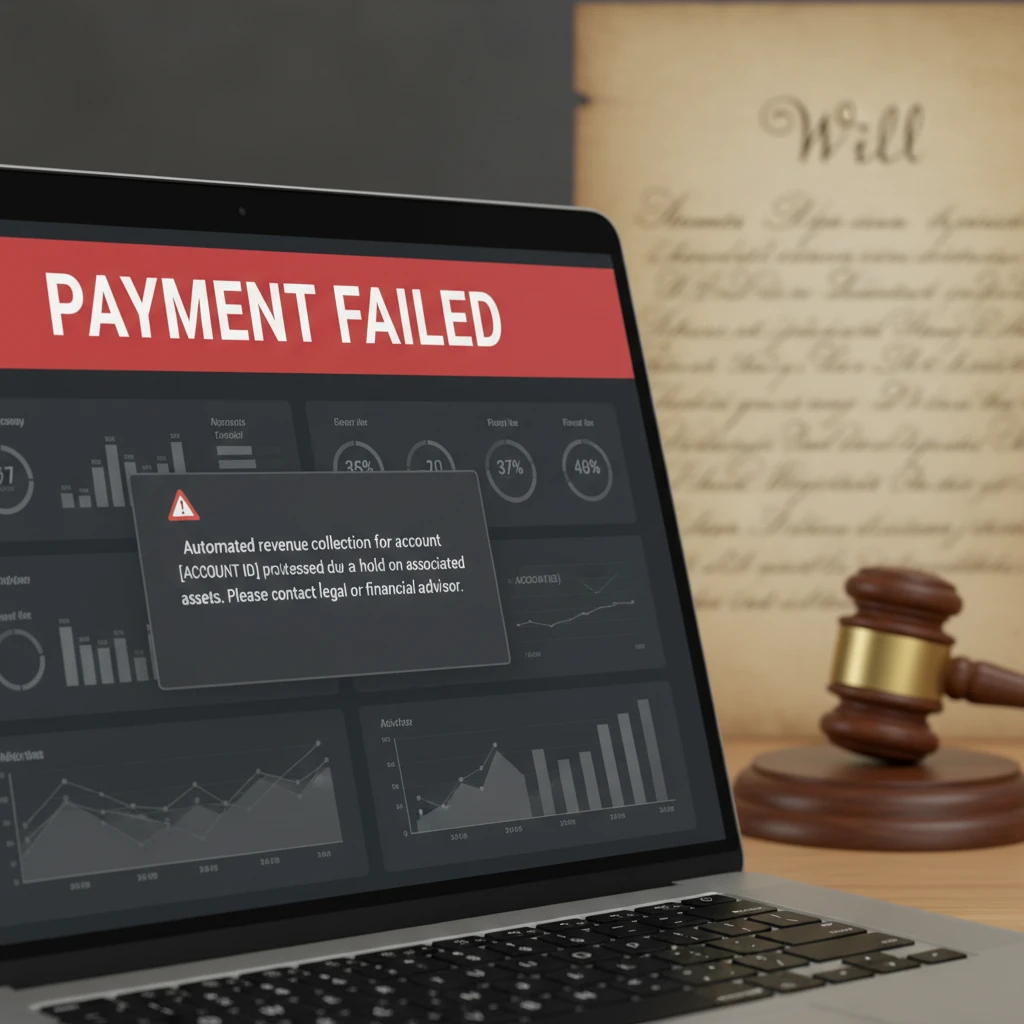
When a bank is notified of a death, the deceased’s accounts are frozen. However, digital revenue sources like Google AdSense, Amazon Associates, or Shopify Payments continue to attempt deposits. If these deposits bounce, the accounts can be suspended, destroying the asset’s value.
Executor Best Practices
To preserve the value of the website for valuation and eventual sale or transfer:
- Secure Access Immediately: The executor needs access to the password manager (e.g., LastPass, 1Password) to manage hosting and domain renewals. If the site goes offline, its SEO value can plummet in days.
- Divert Funds to an Estate Account: As soon as the Estate Trust Account is established, payment details on affiliate platforms and payment gateways must be updated. Note: Some platforms (like Amazon) have strict non-transferability clauses that may require negotiating a new account setup rather than a direct transfer.
- Maintain Content Schedules: If the site relies on fresh content, the estate may need to hire a freelancer to keep the site “alive” during the probate period. This cost is a valid administration expense of the estate.
Tax Implications of Digital Asset Inheritance in NZ
New Zealand’s tax environment is generally favorable for inheritance compared to jurisdictions with estate taxes, but digital assets trigger specific income tax and GST considerations.
Income Tax on Estate Earnings
From the date of death until the final distribution, any income generated by the website is income of the estate. The executor must file an IR6 tax return for the estate. Because websites often generate revenue 24/7, this income is taxable at the trustee rate. It is vital not to mix this revenue with personal funds.
GST Considerations
If the website is a registered GST activity (turnover >$60k NZD), the transfer of the asset can be complex:
- Going Concern: If the website is sold to a third party or transferred to a beneficiary who is also GST-registered, it may be zero-rated as a “going concern.”
- De-registration: If the business is wound down, there may be a requirement to pay GST on the retained assets (though for digital intangibles, this assessment is technical).
Disclaimer: We are digital asset brokers, not tax lawyers. Always consult with a qualified NZ accountant regarding estate tax obligations.

Frequently Asked Questions
How much does a website valuation for probate cost in NZ?
A certified valuation for a small content site generally costs between $500 and $1,500 NZD. For larger e-commerce businesses or SaaS companies with complex financials, valuations can range from $2,500 to $5,000+ NZD depending on the depth of analysis required by the High Court or stakeholders.
Can an executor sell a website before probate is granted?
Generally, no. An executor cannot distribute or liquidate major assets until probate is granted by the High Court. However, they can (and should) manage the asset to preserve its value. If the website is rapidly losing value, an executor might apply for temporary administration orders, but this is rare and costly.
What happens to a domain name when the owner dies?
The domain name is property of the estate. The executor must ensure renewal fees are paid. If the domain expires, it enters a redemption period and then becomes available to the public, potentially losing all value. Access to the registrar account (e.g., GoDaddy, CrazyDomains) is critical.
Is a website considered “chattels” in a will?
Usually, no. Digital assets are intangible property. Unless specifically mentioned, they fall into the residuary estate. It is best practice for wills to specifically mention “digital assets” to avoid confusion, but in the absence of this, they are treated as business assets or general property.
How do you transfer an Amazon Affiliate account after death?
Amazon Associates’ Operating Agreement typically states that accounts are non-transferable. You usually cannot simply change the name on the account. The standard procedure is to close the deceased’s account (after final payout to the estate) and open a new account for the beneficiary or buyer, then update the tracking links on the website.
Does New Zealand have an inheritance tax on digital assets?
No, New Zealand does not have a specific inheritance tax (estate duty was abolished in 1992). However, the estate is liable for income tax on revenue the website generates during the administration period, and potentially GST implications upon sale.
