


Dispute Resolution
A domain name commission nz dispute is a formal conflict resolution process overseen by the Domain Name Commission (DNC) regarding the ownership or registration of .nz domain names. This process typically utilizes the Dispute Resolution Service (DRS) to settle arguments where a complainant believes a domain registration is unfair, abusive, or infringes on established rights.
In the rapidly evolving landscape of New Zealand digital asset management, securing your online identity is paramount. Whether you are a trademark holder discovering a cybersquatter or a business owner facing a challenge to your legitimate web address, understanding the mechanisms of the Domain Name Commission (DNC) is critical. This guide provides an authoritative breakdown of the dispute resolution ecosystem in New Zealand.
What is the Dispute Resolution Service (DRS)?
The Dispute Resolution Service (DRS) is an alternative to court litigation provided by the Domain Name Commission in New Zealand. It is designed to be a faster, more cost-effective way to resolve conflicts over .nz domain names. Unlike the Uniform Domain-Name Dispute-Resolution Policy (UDRP) used for .com domains, the NZ DRS is tailored specifically to the local .nz policy framework.
The core of a domain name commission nz dispute hinges on the concept of “Unfair Registration.” For a complainant to succeed, they generally must prove two things:
- They have rights in a name or mark that is identical or similar to the domain name.
- The domain name, in the hands of the current registrant, is an Unfair Registration.
When Should You File a Dispute with the Domain Name Commission?
Filing a dispute is a significant step in digital asset management. It should not be done lightly, as the process requires evidence and adherence to strict policy definitions. You should consider initiating a domain name commission nz dispute under the following circumstances:
Identifying Cybersquatting
If you discover that a third party has registered a domain name identical to your established brand solely to sell it back to you at an inflated price, this is a classic case of cybersquatting. The DNC views this as abusive registration. If the registrant has no connection to the name and is blocking your legitimate business interests, you likely have grounds for a dispute.
Addressing Brand Impersonation
When a domain is being used to confuse consumers—such as a phishing site or a competitor masquerading as your business—immediate action is required. In these instances, the dispute is not just about asset ownership but about protecting your reputation and your customers’ safety.
Resolving Contractual or Business Separations
Often, disputes arise when business partners separate, and the ownership of the digital assets was never clearly defined. If an ex-employee or former partner refuses to transfer the domain credentials despite not being the rightful owner of the underlying business, the DRS can be the venue to rectify the registration details.
Trademark Rights vs. Legitimate Domain Usage
One of the most complex areas of a domain name commission nz dispute is the friction between intellectual property rights and the rights of a registrant to use a generic or descriptive term. Having a trademark does not automatically grant you the rights to every corresponding .nz domain name.
The Threshold of “Rights”
To file a valid complaint, you must establish “Rights.” In the New Zealand context, this includes registered trademarks, but it also extends to unregistered (common law) rights acquired through reputation and goodwill. However, the DNC policies are clear: rights in a name do not always trump a registrant’s legitimate interest.
What Constitutes Legitimate Interest?
A respondent (the person holding the domain) can successfully defend against a dispute if they can prove:
- They used the domain for a bona fide offering of goods or services before the dispute arose.
- They have been commonly known by the domain name (e.g., a nickname or a different business name).
- They are making legitimate non-commercial or fair use of the domain, without intent for commercial gain or to tarnish the complainant’s trademark.

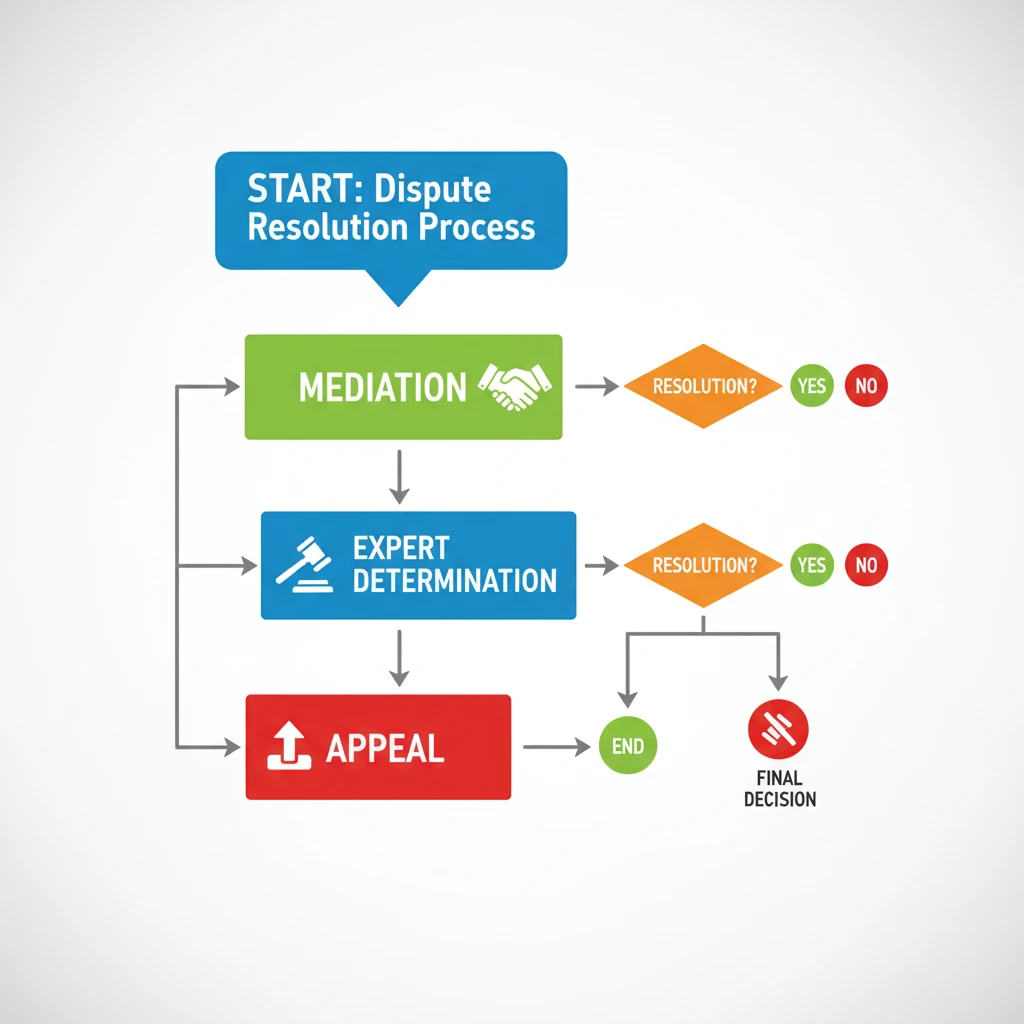
The Three Stages of the DRS Process
Navigating a domain name commission nz dispute involves a structured workflow. Understanding these stages is vital for managing expectations regarding time and cost.
Stage 1: Informal Mediation
Once a complaint is validated and a response is received, the DNC offers free informal mediation. This is a confidential process where a mediator helps both parties reach a mutually meaningful settlement. Mediation is highly successful in New Zealand, resolving a significant percentage of disputes without the need for a formal ruling. It is cost-effective and allows for creative solutions, such as a domain transfer with a transition period.
Stage 2: Expert Determination
If mediation fails, the complainant can opt to pay a fee to have an Independent Expert appointed. The Expert reviews the submissions from both sides against the .nz policies. There are no hearings or oral arguments; the decision is based entirely on the written documentation provided. The Expert will decide whether the domain is an Unfair Registration and can order the domain to be transferred, cancelled, or suspended.
Stage 3: Appeal
If either party believes the Expert’s decision was incorrect, they have a limited window to file an appeal. An appeal panel of three experts will review the case. This is the final stage within the DNC framework; further recourse would require High Court action.
Case Studies of Recent NZ Domain Rulings
Examining past decisions is the best way to predict the outcome of a current domain name commission nz dispute. The following anonymized examples illustrate how the policies are applied in practice.
Case Study A: The Generic Term Defense
A company holding a trademark for a specific service (e.g., “Fast Plumbers”) filed a dispute against a registrant holding “fastplumbers.co.nz”. The respondent was a small business actually named “Fast Plumbers” operating in a different region. The Expert ruled in favor of the respondent, citing that the term was descriptive and the respondent had a legitimate interest in the name for their genuine business, despite the complainant’s trademark.
Case Study B: The Typosquatting Ruling
A major NZ retailer noticed a domain registered with a slight misspelling of their brand, redirecting traffic to a gambling site. The complainant showed they had massive goodwill in the correct name. The respondent failed to reply. The Expert ruled this was an Unfair Registration as it took unfair advantage of the complainant’s rights and was detrimental to their reputation. The domain was transferred.
Case Study C: The Reseller Trap
An individual registered over fifty domain names corresponding to upcoming movie titles and local events, offering them for sale. When a film distributor filed a dispute, the respondent claimed they were an investor. The Expert determined that registering domains primarily for the purpose of selling them to the complainant or a competitor for profit constitutes an abusive registration. The domains were transferred.
How to Prepare for a Domain Name Commission NZ Dispute
Success in the DRS depends heavily on the quality of your preparation. Whether you are the complainant or the respondent, your documentation must be watertight.
Gathering Evidence
Do not rely on assertions; rely on proof. If you claim you have a reputation, provide sales figures, marketing spend, and media coverage. If you claim the other party is acting in bad faith, provide screenshots of the website, email correspondence where they demanded money, or logs of web traffic redirection. In the digital asset management sector, archiving web pages (using tools like the Wayback Machine) can be crucial evidence to show how a domain was used historically.
Legal Representation vs. Self-Representation
While the DRS is designed to be accessible to laypeople, the nuances of “Unfair Registration” can be legalistic. Large corporations almost always use intellectual property lawyers. Small businesses may handle it themselves, but they must carefully read the DNC’s policies. If the domain is a high-value asset, engaging a specialist in NZ domain law is a prudent investment.

Conclusion
A domain name commission nz dispute is a structured, fair, and effective pathway for resolving conflicts over .nz domains. For digital asset managers and business owners in New Zealand, understanding this process is as important as securing the domain in the first place. By distinguishing between trademark infringement and legitimate use, and by navigating the DRS stages with preparation and evidence, you can protect your digital borders and ensure your online identity remains in the right hands.
People Also Ask
How much does it cost to file a domain dispute in NZ?
Filing a complaint is free. Informal mediation is also free. However, if the dispute proceeds to Expert Determination, the complainant typically pays a fee (approx. $2,000 NZD + GST), though fees can vary based on the number of domains involved.
How long does the domain dispute process take?
The timeline varies. Mediation can resolve issues within weeks. If the case goes to Expert Determination, it typically takes 2-3 months from the initial filing to the final decision, depending on the speed of submissions.
Can I appeal a Domain Name Commission decision?
Yes, either party can appeal an Expert Determination decision within a specific timeframe (usually 10 days). An appeal involves a panel of three experts and incurs a higher fee, which must be paid by the appellant.
What is considered an Unfair Registration in NZ?
An Unfair Registration is one where the registrant uses the domain in a manner that takes unfair advantage of, or is unfairly detrimental to, the complainant’s rights. Common examples include cybersquatting, blocking registration, and confusing users for commercial gain.
Do I need a lawyer for a domain dispute?
You do not strictly need a lawyer, as the DRS is designed to be accessible. However, for complex cases involving high-value domains or intricate trademark arguments, legal representation is highly recommended to ensure your submission is legally sound.
What happens if the respondent doesn’t reply?
If the respondent fails to reply to the complaint within the allotted time, the complainant can request a Summary Decision (for a lower fee) or proceed to full Expert Determination. The Expert will then make a decision based solely on the complainant’s evidence.
