

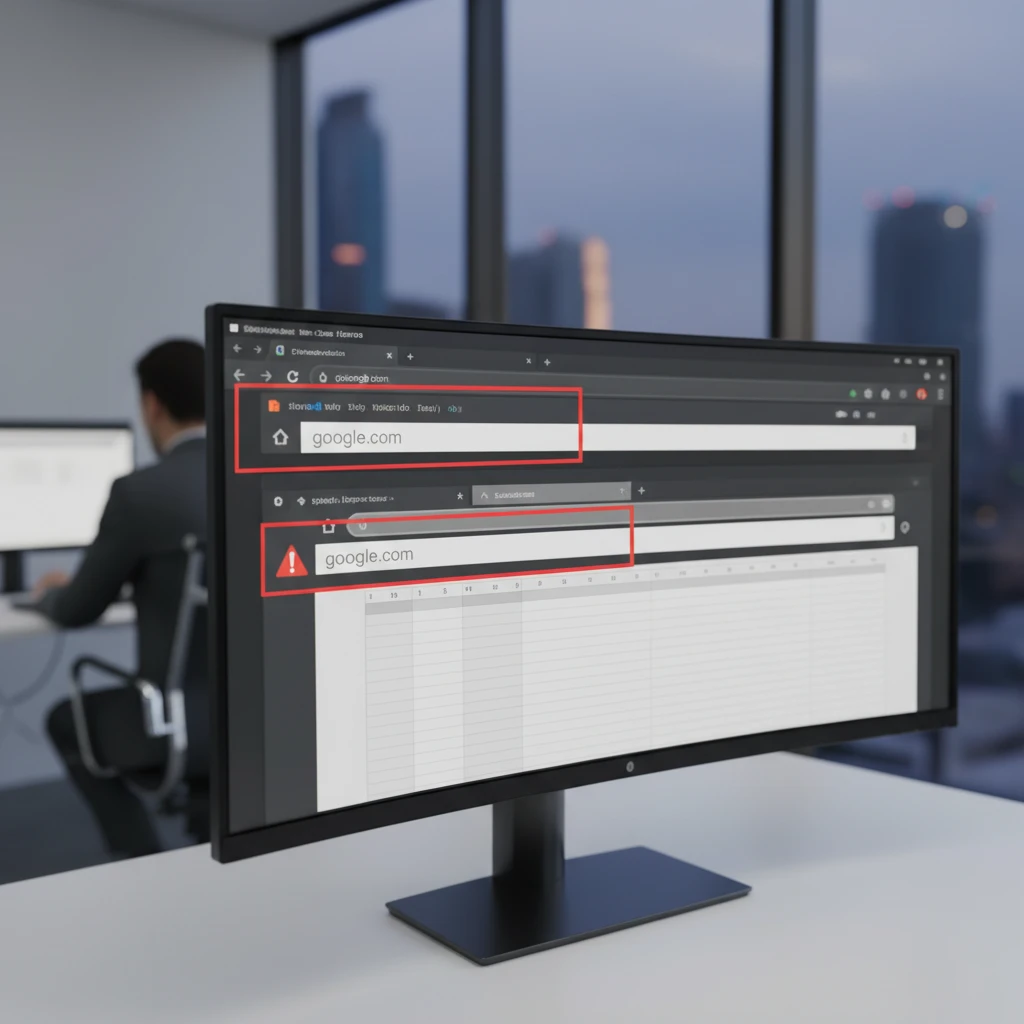
Brand Dilution & Lookalike Domains
Brand protection domains NZ refers to the strategic management and defensive registration of New Zealand-specific domain names (such as .co.nz and .nz) to prevent unauthorized third parties from exploiting a company’s intellectual property. This practice mitigates risks associated with cybersquatting, typosquatting, and lookalike domains that dilute brand authority and endanger consumer trust.
Identifying Typosquatting and Lookalike Domains
In the digital landscape of Aotearoa, the integrity of your online presence is paramount. Brand dilution often begins subtly, with malicious actors registering domains that bear a striking resemblance to established businesses. Understanding the mechanics of these deceptions is the first line of defense in brand protection domains NZ strategies.
Lookalike domains generally fall into specific categories designed to trick the human eye or exploit common user errors. The most prevalent form is typosquatting (also known as URL hijacking). This involves registering domains that rely on typographical errors made by users when inputting a website address. For example, if your domain is example.co.nz, a squatter might register exmaple.co.nz or exampl.co.nz.
Common Lookalike Tactics
Beyond simple typos, sophisticated attackers use more complex methods to impersonate brands:
- TLD Variation: Capitalizing on the confusion between domain extensions. If you own the
.co.nzbut failed to secure the direct.nz, a competitor or scammer can register the latter to siphon traffic. - Combo-Squatting: Adding plausible keywords to your brand name. A fraudulent entity might register
brandname-login.co.nzorbrandname-support.nzto conduct phishing campaigns. - IDN Homograph Attacks: This is a highly technical method where characters from different scripts (like Cyrillic or Greek) that look identical to Latin letters are used. To the naked eye, the domain looks legitimate, but the underlying code directs the user to a malicious server.
The Impact on NZ Consumer Trust and Brand Equity
For New Zealand businesses, the cost of lookalike domains extends far beyond lost web traffic. It strikes at the core of the customer relationship: trust. Kiwi consumers are increasingly savvy, yet the sophistication of modern phishing attacks utilizing lookalike domains can fool even vigilant users.
When a customer lands on a fraudulent site thinking it is yours, they may unknowingly hand over sensitive personal data, credit card information, or login credentials. When the inevitable fraud occurs, the consumer rarely blames the hacker; they blame the brand they thought they were interacting with. This association can cause irreparable damage to your reputation.
Erosion of Brand Authority
Brand dilution occurs when the uniqueness of your digital identity is watered down. If multiple variations of your domain exist and point to low-quality content, gambling sites, or competitor landing pages, your brand’s authority signals to search engines (like Google) and users are weakened. In the context of brand protection domains NZ, maintaining a “clean” namespace is essential for SEO and user retention.
Furthermore, in the tight-knit New Zealand market, word travels fast. A security breach facilitated by a lookalike domain can lead to negative PR and a loss of market share that takes years to recover. The perception of security is as important as security itself; if customers feel your digital perimeter is porous, they will migrate to competitors who appear more secure.

Monitoring Tools for Brand Infringement
Passive hope is not a strategy. Effective brand protection requires active, continuous monitoring of the domain name space. Identifying an infringement early can mean the difference between a simple administrative fix and a costly legal battle.
Automated Domain Monitoring
For enterprise-level protection, manual searching is insufficient. Automated domain monitoring services scan the global DNS (Domain Name System) daily for new registrations that match or resemble your trademarks. These tools look for:
- Exact Matches: Domains identical to your brand across different TLDs (e.g., .net, .org, .kiwi).
- Fuzzy Matches: Algorithms that detect phonetic similarities or visual lookalikes.
- Keyword Associations: Monitoring for your brand name used in conjunction with high-risk keywords like “buy,” “sale,” or “login.”
Whois Lookups and Ownership Analysis
Once a potential threat is identified, the next step is investigation. The Whois database provides information about the registrant of a domain. In New Zealand, the Domain Name Commission (DNC) maintains the register for .nz domains. While privacy laws (like the Privacy Act 2020) often redact individual contact details, business registrations are typically public. Analyzing the registrant information helps determine if the domain is held by a legitimate business, a known domainer, or a suspicious entity with a history of cybersquatting.

Legal vs. Administrative Takedown Options in NZ
When you discover an infringing domain within the .nz namespace, you generally have two primary pathways for resolution: administrative dispute resolution or legal action. Understanding the distinction is vital for cost-effective brand protection.
The Dispute Resolution Service (DRS)
The New Zealand Domain Name Commission offers the Dispute Resolution Service (DRS), which is an alternative to court litigation. It is designed to be faster and more cost-effective. To succeed in a DRS complaint, you must typically prove two elements:
- Rights: You have rights in a name or mark that is identical or similar to the domain name.
- Unfair Registration: The domain name, in the hands of the registrant, is an unfair registration.
“Unfair registration” usually implies that the domain was registered in a manner that took advantage of your rights, such as for the purpose of selling it back to you at an inflated price, disrupting your business, or confusing consumers.
Cease and Desist Letters
Before initiating a formal DRS process, a legal cease and desist letter is often the first step. Sent by a lawyer or brand protection specialist, this letter outlines your trademark rights and demands the transfer or cancellation of the offending domain. In many cases, specifically with amateur typosquatters, this formal warning is enough to prompt compliance without further cost.
High Court Action
For complex cases involving significant damages, fraud, or multiple jurisdictions, filing proceedings in the High Court of New Zealand may be necessary. This is a more expensive route and is usually reserved for instances where the DRS cannot provide an adequate remedy, such as when financial compensation for damages is required alongside the domain transfer.

Building a Defensive Domain Strategy
The most effective way to handle lookalike domains is to own them before anyone else does. A defensive registration strategy involves identifying high-risk variations of your primary domain and registering them proactively.
The Hierarchy of NZ Domains
In New Zealand, the domain hierarchy is unique. You should prioritize securing:
- .co.nz: The standard for businesses.
- .nz: The shorter, direct second-level domain.
- .net.nz: Often used by service providers and tech companies.
- .org.nz: If you are a non-profit, but also to prevent scammers from posing as a charity version of your brand.
Misspellings and Hyphens
Analyze your brand name for common spelling errors. If your brand is “TechSolutions,” register “TekSolutions.co.nz” and “Tech-Solutions.co.nz.” These domains can then be 301 redirected to your main website. This not only protects your brand but also captures traffic from users who simply made a typing error, ensuring they still reach your business.
The Role of Domain Brokers in Brand Protection
Navigating the secondary market to acquire domains that are already registered by third parties can be treacherous. This is where a specialized NZ domain broker becomes an asset. If a lookalike domain is currently owned but not being used maliciously (e.g., owned by a legitimate investor), a broker can negotiate the acquisition anonymously.
Approaching a domain owner directly as a large corporation often signals deep pockets, leading to inflated price demands. Brokers shield your identity during negotiations, ensuring you acquire the necessary defensive domains at a fair market value. They also handle the escrow process, ensuring the secure transfer of the asset.
In summary, brand protection in the NZ domain market is a multifaceted discipline involving proactive registration, vigilance through monitoring, and decisive action through the DNC’s dispute resolution channels. By securing your digital perimeter, you safeguard your most valuable asset: your reputation.
What is the difference between cybersquatting and typosquatting?
Cybersquatting is the broad term for registering, trafficking in, or using a domain name with bad faith intent to profit from the goodwill of a trademark belonging to someone else. Typosquatting is a specific type of cybersquatting that relies on mistakes such as typographical errors made by Internet users when inputting a website address into a web browser.
How much does it cost to file a domain dispute in NZ?
The cost varies depending on the method. A standard Dispute Resolution Service (DRS) complaint with the NZ Domain Name Commission involves a fee for the expert determination if mediation fails. As of current fee structures, this can range from $2,000 NZD + GST for a single member panel. Legal fees for preparation are additional.
Can I recover a .nz domain if I don’t have a registered trademark?
Yes, it is possible. The NZ DRS policy recognizes “rights” in a name, which can include unregistered common law rights established through commercial use and reputation, not just registered trademarks. However, proving unregistered rights requires substantial evidence of your brand’s reputation in New Zealand.
What is a defensive domain registration?
Defensive domain registration is the practice of registering domain names that are similar to your primary domain (including misspellings, different extensions, and variations) to prevent competitors or cybercriminals from acquiring them. These domains are often redirected to the main website.
How long does a domain dispute take to resolve in New Zealand?
The timeline for a DRS case can vary. If the parties agree to mediation and reach a settlement, it can be resolved in a few weeks. If the case proceeds to Expert Determination, the process typically takes between 60 to 90 days from the filing of the complaint to the final decision.
Does the NZ Domain Name Commission police the internet for me?
No. The Domain Name Commission regulates the .nz domain space and provides the dispute resolution framework, but they do not proactively monitor for brand infringement on behalf of companies. It is the responsibility of the brand owner to monitor and enforce their rights.
