

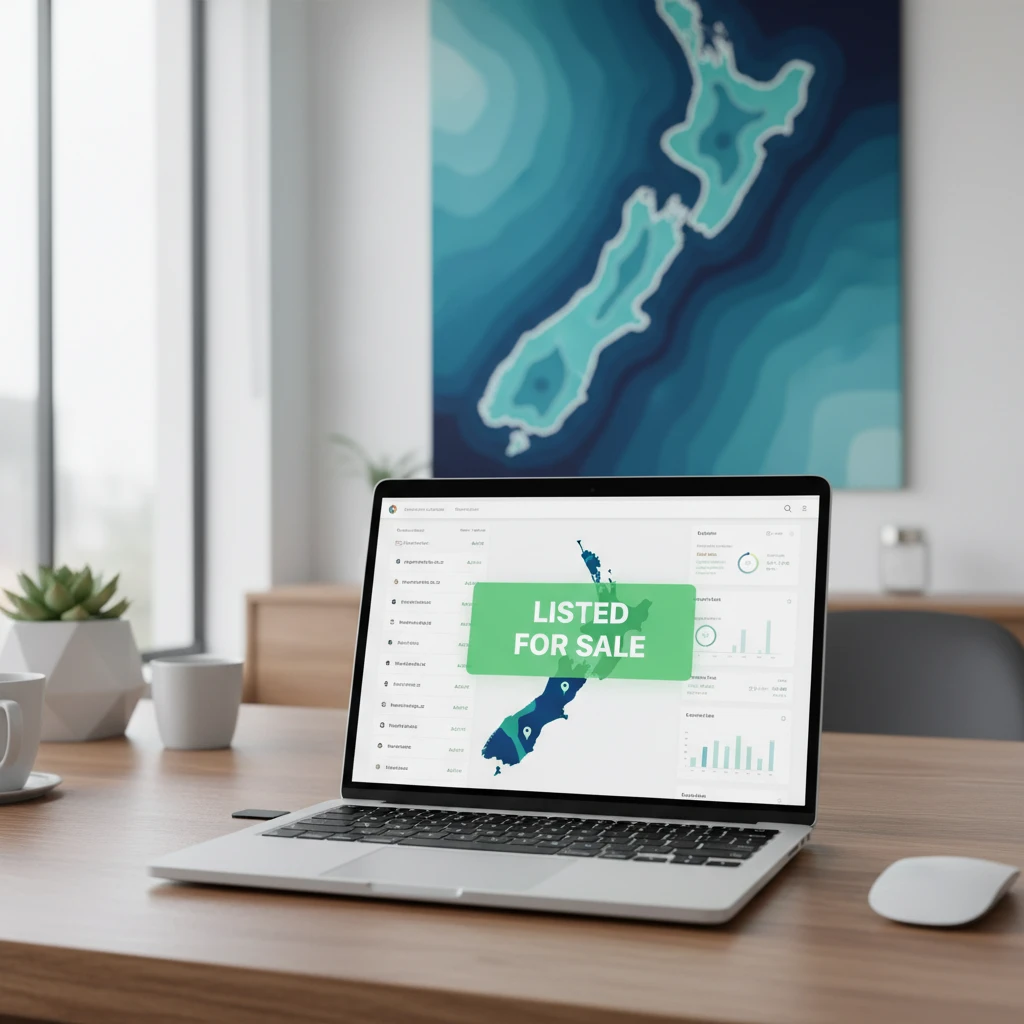
Sell My Domain Name Now
To sell your domain name now, list it on a high-traffic domain marketplace or engage a specialized broker immediately. Ensure you possess the UDAI (Unique Domain Authentication ID), set a competitive “Buy It Now” price based on comparable sales, and optimize the landing page to clearly indicate the asset is available for purchase.
In the fast-paced world of digital real estate, the decision to “sell my domain name now” often stems from a desire to liquidate assets quickly or capitalize on a trending keyword. However, speed should not come at the expense of value. Whether you are holding a premium .co.nz domain or a generic top-level domain (gTLD), the New Zealand domain market requires a strategic approach to attract serious buyers and close the deal efficiently.
Selling a domain is more than just placing a “For Sale” sign on a webpage. It involves a calculated mix of technical preparation, market valuation, and psychological pricing. This guide provides a professional, authoritative roadmap to navigating the secondary market, ensuring you not only sell your domain fast but also secure the best possible return on your investment.
The Step-by-Step Listing Process
To execute a rapid sale, you must eliminate friction. Buyers in the NZ market are looking for verified ownership and seamless transfer processes. Here is the professional workflow to get your domain listed immediately.
1. Verify Ownership and Obtain UDAI
Before you can list a New Zealand domain (such as .nz, .co.nz, or .net.nz), you must prove you have the right to sell it. This is managed through the UDAI (Unique Domain Authentication ID). This 8-character code acts as the password for your domain.
- Action: Log in to your current registrar (e.g., Crazy Domains, GoDaddy, Metaname).
- Request: Locate the domain management section and request your UDAI. It is usually generated instantly or emailed to the registrant contact.
- Validity: Ensure the code is valid; UDAIs often expire after a set period.
2. Choose the Right Marketplace
Not all marketplaces deliver the same results. For New Zealand specific domains, you need a platform with local reach. While global giants like Sedo or Afternic are useful, local platforms often yield better results for geo-specific domains because they attract local business owners looking for .co.nz addresses.
3. Create the Listing
Once you have selected your brokerage or marketplace, you will need to create the listing. This involves:
- Entering the domain name exactly as registered.
- Verifying ownership via DNS records (TXT record) or email verification.
- Selecting your selling method: Auction, Make Offer, or Buy It Now.
Optimizing Your Listing for Maximum Visibility
Simply listing a domain is passive; optimizing it is active selling. To sell your domain name now, you must ensure that your listing appears in front of the right audience and communicates value instantly.
Update DNS for a “For Sale” Landing Page
The most targeted traffic your domain receives is from users typing the URL directly into their browser (Type-in traffic). If they land on a dead page or a generic server error, you lose a sale.
You must point your Nameservers (DNS) to the marketplace’s parking page. This serves two purposes:
- Verification: It proves to the marketplace that you control the domain.
- Advertising: It displays a professional landing page to visitors with a clear “Buy This Domain” button.
Keyword Categorization
Marketplace algorithms rely on categorization to recommend domains to buyers. If you are selling “AucklandPlumbing.co.nz”, ensure you categorize it under “Construction,” “Services,” and “Regional/NZ.” Do not leave categories blank. Add relevant tags such as “geo-targeted,” “service industry,” and “brandable.”
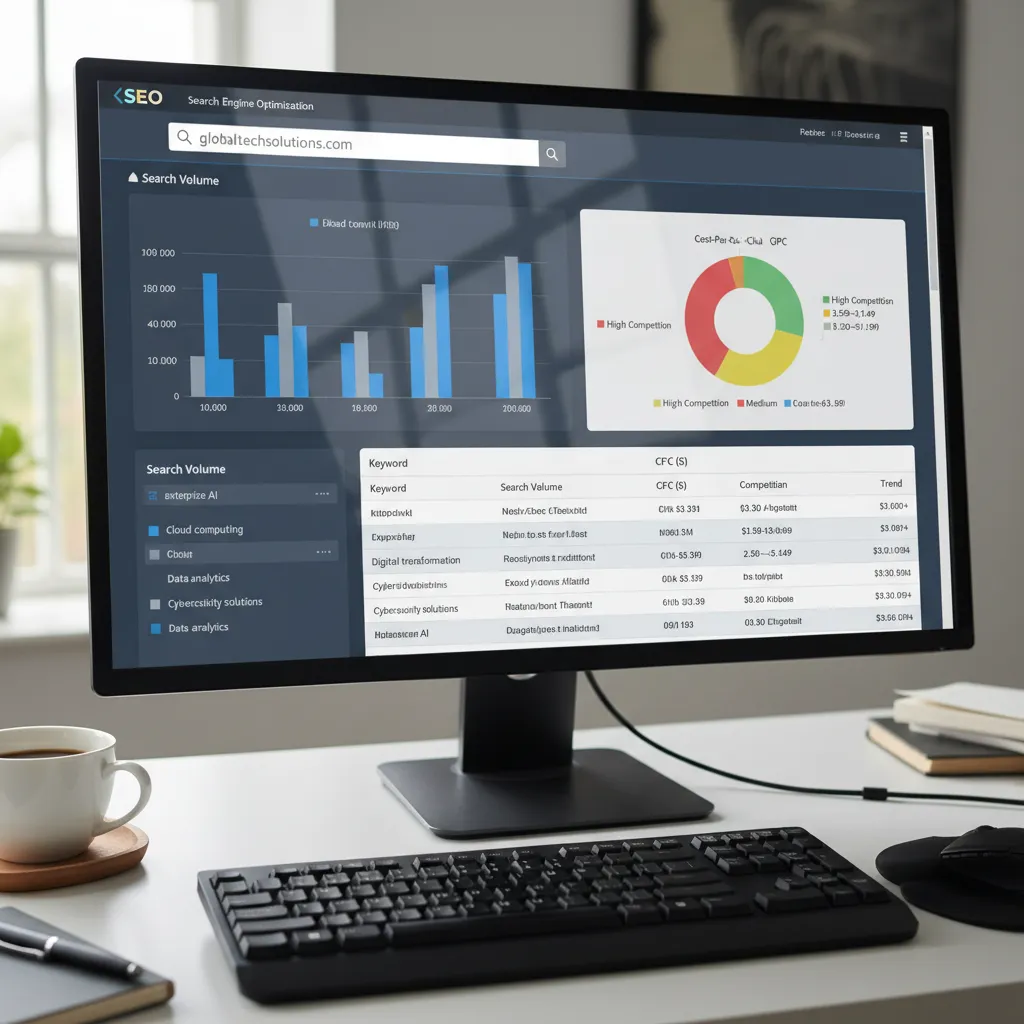
Write a Compelling Description
Do not leave the description field empty. Use this space to pitch the potential of the domain. Explain why this domain is valuable. Mention:
- Age: Older domains have more authority.
- Brevity: Short domains are easier to remember.
- Keywords: Mention high search volume for the terms in the domain.
- Brandability: If it is a made-up word, explain how it sounds modern or tech-focused.
Setting the Right Reserve and Buy It Now Price
Pricing is the single most critical factor when the goal is “sell my domain name now.” Overpricing leads to stagnation; underpricing leaves money on the table. In the transactional context, speed requires pricing precision.
The Power of “Buy It Now” (BIN)
If speed is your priority, avoid “Make Offer” listings. They introduce friction and negotiation lag time. A “Buy It Now” price creates psychological urgency and allows for an instant transaction. Impulse buyers are more likely to purchase a domain priced at $2,500 immediately than to enter a negotiation that might take weeks.
How to Determine Value
To set a realistic price, use the comparable sales method (comps). Look at recent sales of similar domains in the NZ market.
- Length: 3-letter and 4-letter domains command higher prices.
- Extension:
.co.nzis generally worth more than.nzor.net.nzfor commercial entities. - Industry: Finance and Tech domains usually sell for more than hobbyist domains.
Pro Tip: If you use an auction format, set a Reserve Price. This is the minimum hidden price you are willing to accept. If bidding does not reach this level, the domain does not sell. However, setting the reserve too high discourages bidders. A low starting bid with a reasonable reserve generates the most momentum.

Promotion Packages for Faster Sales
In a crowded marketplace, relying on organic discovery can be slow. If you need to liquidate the asset immediately, consider investing in promotion packages offered by brokerages. These are paid upgrades that increase the visibility of your listing.
Homepage Features
Most marketplaces allow you to pay a fee to feature your domain on the homepage. This puts your asset in front of investors and casual browsers immediately. For high-value domains (e.g., valued over $5,000 NZD), this investment often yields a high ROI by finding a buyer within days rather than months.
Newsletter Inclusion
Top-tier domain brokers maintain email lists of thousands of active investors. Paying to have your domain included in a “Daily Deal” or “Premium Pick” newsletter is one of the most effective ways to generate immediate bids. This targets qualified buyers who have money ready to deploy.
Outbound Brokerage
For ultra-premium domains, passive listing is insufficient. You may need an outbound broker who actively contacts potential end-users. For example, if you are selling “WellingtonCoffee.co.nz”, a broker might call major coffee roasters in Wellington to pitch the domain directly. This service usually commands a higher commission (15-20%) but is the fastest route to a high-ticket sale.
Closing the Deal and Domain Transfer
Once a buyer accepts the price, the process moves to escrow and transfer. Security is paramount here to ensure you get paid and the buyer gets the domain.
Using Escrow Services
Never transfer a domain before receiving funds. reputable marketplaces use integrated escrow services (like Escrow.com or internal systems). The buyer deposits funds into a neutral holding account. Once the funds are secured, you are notified to transfer the domain.
The Transfer Process
1. Unlock the Domain: Log in to your registrar and unlock the domain.
2. Provide UDAI: Send the UDAI (Auth Code) to the buyer or input it into the marketplace transfer page.
3. Accept Transfer: You may receive an email from your registrar asking to confirm the transfer out. Approve this immediately to speed up the process.
In the NZ market, .nz transfers are typically very fast, often completing within hours once the UDAI is processed, unlike .com transfers which can take 5-7 days.

Frequently Asked Questions (People Also Ask)
How long does it take to sell a domain name?
The time to sell varies significantly based on price and demand. A correctly priced domain with a “Buy It Now” option can sell in 24 to 48 hours. However, niche domains with inflated prices can sit on the market for years. Using paid promotion and setting competitive market pricing accelerates this timeline significantly.
What is the best site to sell domain names in NZ?
For New Zealand specifically, local exposure is key. While global sites like Sedo and GoDaddy Auctions are powerful, utilizing platforms that cater to the NZ market or listing on TradeMe (under IT & Web) can sometimes capture local business interest. However, specialized domain brokerages remain the most professional route for high-value assets.
Do I have to pay taxes on selling a domain name?
In New Zealand, if you purchased the domain with the intent to sell it for a profit, the proceeds are generally considered taxable income. If you are in the business of domain trading, you must declare this to the IRD. Always consult with a qualified accountant regarding your specific tax obligations.
What is a UDAI and why do I need it?
The UDAI (Unique Domain Authentication ID) is an 8-character authorization code required for transferring .nz domain names. It acts as a security key. You cannot transfer a domain to a buyer without providing this code. You can request it from your current domain registrar.
Can I sell a domain name I just bought?
Yes, but with caveats. Some registrars impose a 60-day transfer lock on newly registered or recently transferred gTLDs (like .com). However, .nz domains typically do not have this 60-day lock, allowing for faster flipping. Check your registrar’s specific terms of service.
How much is my domain name worth?
Domain value is subjective but based on metrics: length, keyword search volume, extension (.co.nz vs .net.nz), and commercial applicability. Automated appraisal tools can give a baseline, but manual research of comparable sales (comps) is the most accurate way to determine market value.
