


DIY Sales Risks
Domain sale scams in New Zealand often target independent sellers through unsolicited offers requiring paid “professional appraisals” from bogus agencies. These schemes aim to extract credit card details or certification fees rather than purchasing the domain. Additionally, sellers face risks involving fake escrow services and reversible payment methods that result in the theft of the .nz asset.
Identifying Domain Sale Scams in NZ
The digital landscape in New Zealand has matured significantly, with premium .co.nz and .nz domains commanding impressive valuations in the global market. However, this increase in asset value has attracted a sophisticated ecosystem of cybercriminals specifically targeting independent domain owners. When you elect to sell a domain via a “Do It Yourself” (DIY) approach, you remove the protective layer a professional brokerage provides, exposing yourself directly to bad actors.
For the uninitiated, a six-figure offer landing in your inbox can generate excitement that clouds judgment. Scammers rely on this emotional response. They understand that most business owners are not experts in the transfer protocols of the Domain Name Commission (DNC) or the intricacies of international escrow. By exploiting gaps in your knowledge, they can steal your data, your money, and often the domain itself.
Common Scams Targeting NZ Domain Owners
The creativity of fraudsters is boundless, but their methods tend to follow predictable patterns. Understanding these patterns is your first line of defense. In the New Zealand market, where the business community is tight-knit and trust is high, international scammers often impersonate local entities to lower your guard.
The Phishing “Offer”
This is the most rudimentary form of attack but remains effective due to its volume. You receive an email expressing urgent interest in your domain. The email might appear to come from a reputable registrar or a known NZ business. To view the offer or “verify ownership,” you are asked to click a link.
This link directs you to a spoofed login page that mimics your domain registrar (e.g., a fake GoDaddy or local NZ registrar login). Entering your credentials hands the attacker the keys to your entire portfolio. Once inside, they can transfer your domains to other registrars, effectively stealing them before you realize what has happened.
Reverse Domain Hijacking (RDH)
In this scenario, a “buyer” engages you in a conversation to get you to admit that you bought the domain specifically to sell it to them or a competitor at a profit. They then use your written correspondence as evidence in a UDRP (Uniform Domain-Name Dispute-Resolution Policy) or local DRS (Dispute Resolution Service) proceeding, claiming you are “cybersquatting” in bad faith. If successful, they can force the transfer of the domain without paying you a cent. Professional brokers know how to navigate negotiations to prevent making statements that could be legally weaponized.
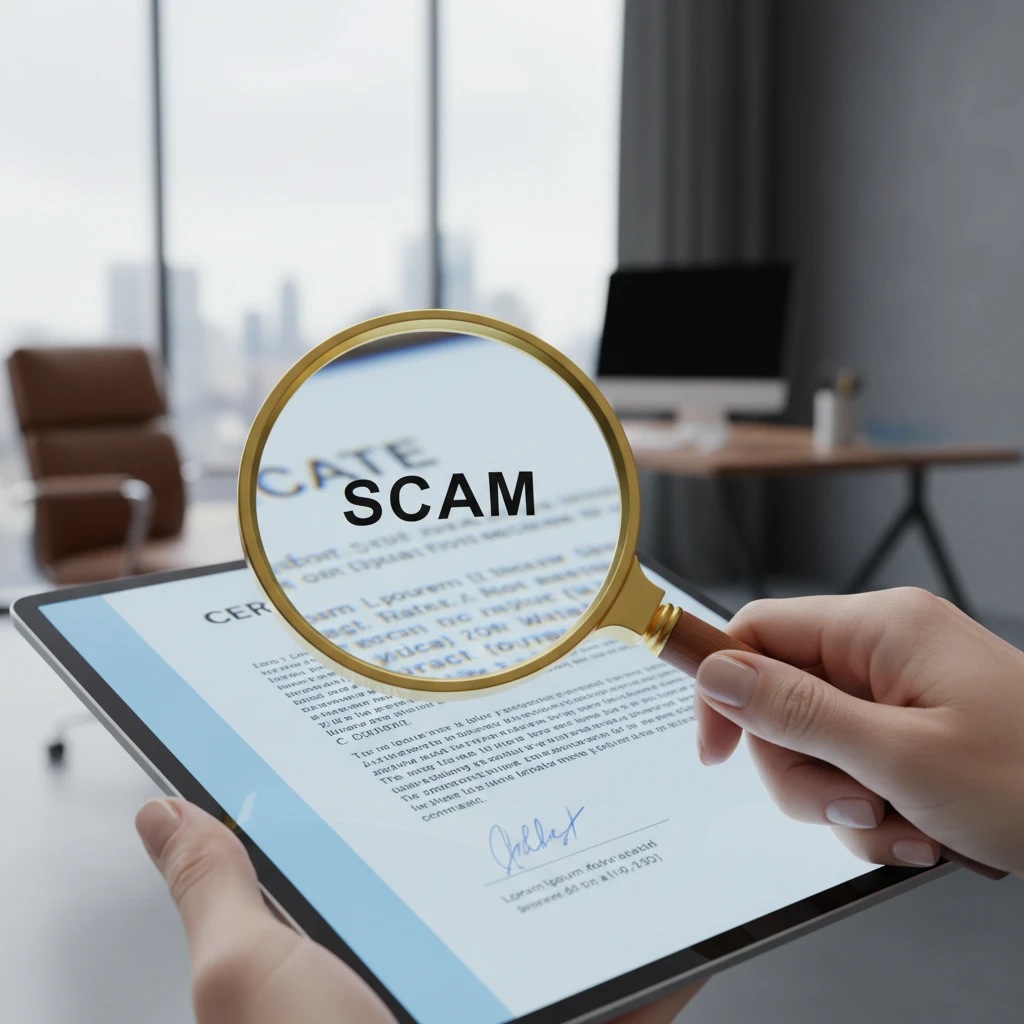
The Appraisal Fraud Mechanism Explained
By far the most prevalent scam targeting high-value domain owners is the “Appraisal Scam.” It is sophisticated, convincing, and plays on the seller’s greed.
Step 1: The Hook
You receive an unsolicited email from a “buyer” willing to pay a premium price for your domain—often significantly higher than market value. For example, if your domain is worth $5,000, they might offer $25,000.
Step 2: The Condition
The buyer claims they are representing an investor or a board of directors. To release the funds, they require an “independent valuation” or a “certificate of appraisal” to justify the expense to their financial team. They explicitly state they cannot accept an appraisal from major automated sites (like Estibot) because they need a “manual” review.
Step 3: The Trap
When you ask which appraiser to use, they casually suggest a few “reputable” agencies. In reality, these agencies are fake websites set up by the scammer. You visit the site, pay $200 to $500 for the appraisal certificate, and send it to the buyer.
Step 4: The Ghosting
Once you have paid the fee, the buyer disappears. The domain was never the target; the goal was simply to defraud you of the appraisal fee. In some variations, they also capture your credit card information during the payment process for further theft.
Data Leakage Risks When Negotiating Privately
Beyond immediate financial theft, DIY domain sales expose sellers to significant privacy risks. Negotiating a sale requires a certain level of transparency, but without a buffer, you may be handing over sensitive data to criminals.
Whois Data and Identity Exposure
While GDPR and local privacy laws have redacted much Whois data, the sales process often requires you to verify your identity to the buyer. If you are dealing with a malicious actor, providing a copy of your driver’s license, passport, or incorporation documents for “verification” purposes can lead to identity theft. A broker handles this verification internally, ensuring the buyer never sees your personal documentation.
Social Engineering Vulnerabilities
Every interaction with a potential buyer provides them with metadata. They learn your communication style, your time zone, your business structure, and potentially your banking preferences. This information is often harvested to craft highly targeted “spear-phishing” campaigns against your company later. For example, if a scammer knows you are expecting a wire transfer for a domain sale, they might send a fake invoice from your email address to your finance department, diverting legitimate funds.
Payment Fraud and Chargeback Schemes
The transfer of the domain asset is the most critical moment in the sales cycle. In a DIY sale, the seller is often responsible for selecting the payment method. This is where many NZ domain owners lose their assets.
The PayPal Chargeback
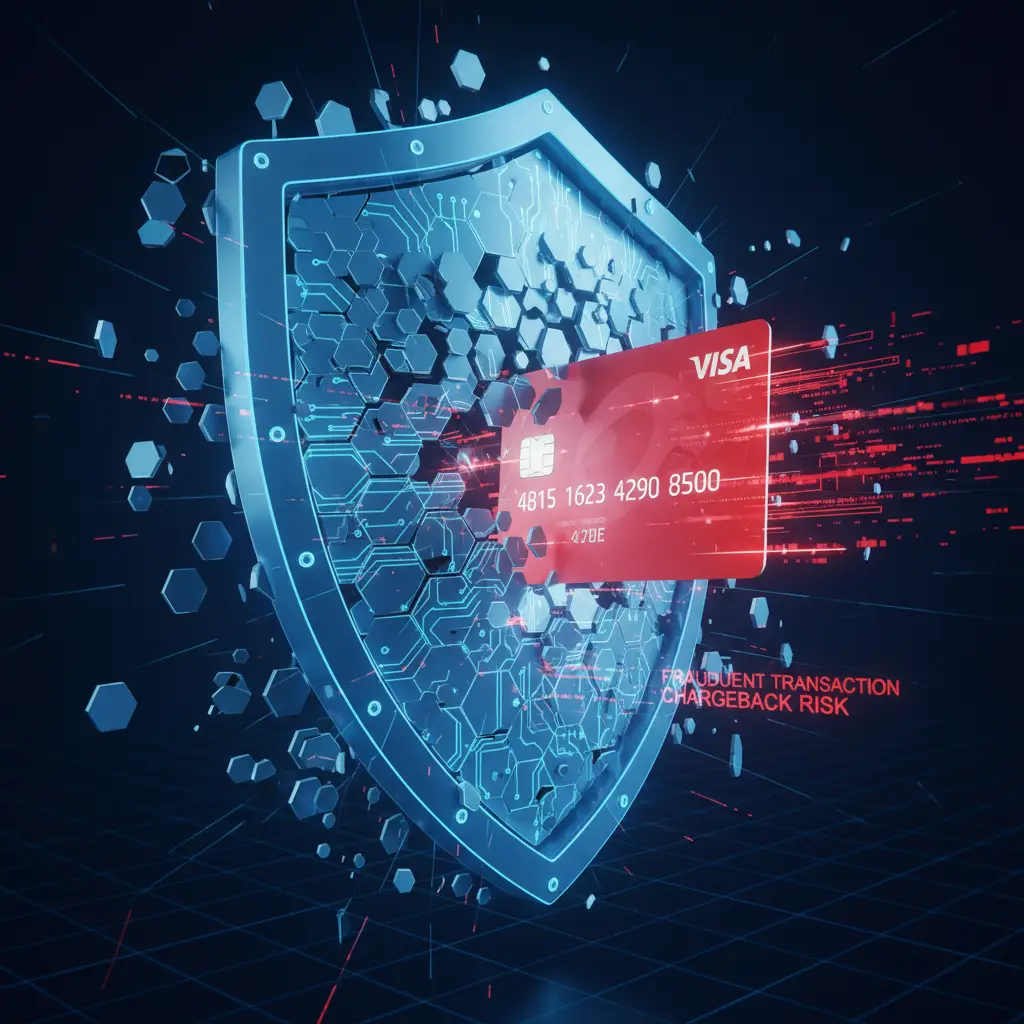
Many independent sellers use PayPal for transactions under $5,000 due to its convenience. However, intangible goods like domain names occupy a grey area in seller protection policies. A scammer can pay for the domain, wait for you to transfer the control, and then file a “Item Not Received” or “Unauthorized Transaction” claim. PayPal often sides with the buyer in the absence of physical shipping tracking. You lose the money, and the domain is already gone.
Fake Escrow Services
Escrow is the gold standard for domain transactions. It holds the buyer’s funds and only releases them once the domain is transferred. However, scammers frequently create look-alike escrow sites (e.g., “Escrow-Secure-NZ.com” or similar generic names).
The site looks professional, has a live chat, and sends official-looking emails. You initiate the transaction, the site confirms funds have been “secured,” and you transfer the domain. In reality, the site is a facade. No money was ever deposited, and you have just transferred your premium domain to the scammer for free.
Why a Broker Acts as a Necessary Firewall
In the high-stakes world of premium domain brokerage, a broker is not merely a salesperson; they are a security protocol. Engaging a reputable NZ domain broker mitigates the risks associated with DIY sales through several mechanisms.
Anonymity and Vetting
A broker allows you to remain anonymous throughout the negotiation. The buyer deals with the brokerage firm, not you. This prevents social engineering attacks and keeps your identity off the radar of cybercriminals. Furthermore, brokers have strict vetting processes. We know how to qualify buyers, verify funds, and spot the subtle linguistic and technical red flags that indicate a scam.
Secure Transaction Management
Brokers exclusively use Tier-1 escrow services (such as Escrow.com) or solicitor-managed trust accounts for high-value NZ transactions. We oversee the entire technical transfer, ensuring that the domain never leaves your control until verified, irreversible funds are secured. We also understand the specific transfer policies of the .nz registry, ensuring that the transfer cannot be reversed due to a technicality.
Valuation Defense
Scammers often try to lowball sellers by presenting fake market data. A broker defends the value of your asset with real-time market comparables and industry knowledge, ensuring you aren’t manipulated into selling a premium asset for a fraction of its worth.

How to Secure Your Sale
If you own a premium .co.nz or .nz domain, you are holding digital real estate. Just as you wouldn’t sell a commercial building without a lawyer and a real estate agent, you shouldn’t navigate the domain aftermarket alone. The risks of appraisal fraud, data leakage, and reversible payments are too high.
By partnering with a dedicated domain brokerage, you ensure that your sale is legitimate, your data is private, and your payout is guaranteed. Don’t let a DIY mistake cost you your most valuable digital asset.
What is the most common domain sale scam in NZ?
The most common scam is the “Appraisal Scam,” where a fake buyer offers a high price but demands you pay for a valuation certificate from a specific (fraudulent) website before they proceed.
Is it safe to use PayPal for selling a domain name?
Generally, no. PayPal offers poor protection for intangible goods. Buyers can easily file chargebacks or claim unauthorized use, reversing the payment after you have already transferred the domain.
How can I verify if a domain buyer is legitimate?
Legitimate buyers will agree to use a recognized escrow service like Escrow.com. If a buyer refuses escrow, insists on obscure payment methods, or demands upfront fees from you, they are likely a scammer.
What is a fake escrow service?
A fake escrow service is a fraudulent website designed to look like a legitimate payment holding company. Scammers use these to trick sellers into believing funds are deposited so the seller releases the domain.
Can a domain transfer be reversed?
In most cases, once a domain is transferred to a new registrar and a new owner, it is extremely difficult to reverse without a court order. This is why securing payment before transfer is critical.
Why should I use a broker for selling my NZ domain?
A broker provides anonymity, filters out scams, handles the technical transfer securely, and uses trusted escrow services to guarantee you get paid. They also help maximize the sale price through professional negotiation.
