


Compare Broker Fees
Domain broker fees in New Zealand typically range from 10% to 20% of the final sale price, operating primarily on a success-fee basis. While standard transactions incur no upfront costs, stealth acquisitions or complex negotiation projects may require a non-refundable retainer. Always verify if escrow charges and GST are included in the quoted commission rate.
Navigating the New Zealand domain market requires a keen understanding of the financial landscape. Whether you are looking to acquire a premium .nz domain for your brand or divest a valuable digital asset, understanding the cost of professional representation is crucial. Brokerage fees can significantly impact your net profit or total acquisition cost, making it essential to compare structures, hidden fees, and value propositions before signing a mandate.
What Are the Standard Commission Rates in NZ?
When you begin to compare domain broker fees in NZ, the first figure you will encounter is the commission percentage. This is the broker’s primary compensation for marketing your domain, negotiating with buyers, and facilitating the transfer. In the New Zealand market, which is smaller but highly specialized compared to the global .com market, fees generally adhere to international standards but with local nuances regarding GST and minimum thresholds.
The 10% to 20% Industry Standard
Most reputable domain brokers in New Zealand charge a commission between 10% and 20% of the final gross sale price. The specific rate often depends on the estimated value of the domain name:
- High-Value Domains ($50,000+): Brokers are often willing to lower their percentage to 10% or 12% for premium assets. The sheer volume of the transaction ensures their time is compensated adequately.
- Mid-Range Domains ($5,000 – $50,000): The standard rate usually hovers around 15%. This covers the marketing effort required to find a suitable buyer in a niche market.
- Lower-Value Domains (Under $5,000): Brokers may charge the full 20% or impose a minimum fee (e.g., $500 NZD) to ensure the transaction is profitable for them.
Minimum Fee Thresholds
It is critical to note that percentages tell only half the story. Many brokers implement a “minimum success fee.” For example, if a broker sells a domain for $1,000 and their commission is 15%, the calculated fee is $150. However, if their minimum fee is $400, you will be paying an effective rate of 40%. Always ask if a minimum fee applies, especially for domains valued under $3,000 NZD.
Upfront Fees vs. Success Fees: Which is Better?
In the brokerage world, payment structures generally fall into two categories: success-based (contingency) and upfront retainers. Understanding the difference is vital when you compare domain broker fees nz regarding risk allocation.
The Success Fee Model (Seller’s Preference)
The vast majority of domain sales operate on a success fee model. This is strictly “no win, no fee.” You sign an agreement, the broker markets the domain, and they only get paid when the money lands in escrow.
Pros: Zero financial risk for the seller. The broker is motivated to close the deal to get paid.
Cons: Brokers may prioritize “easy sells” over difficult negotiations if they have a large inventory.
The Upfront Retainer Model (Buyer’s Brokerage)
If you are hiring a broker to acquire a domain name that is not currently on the market (a stealth acquisition), you will likely face an upfront fee. This compensates the broker for the investigative work required to locate the owner and initiate contact.
In New Zealand, acquisition retainers can range from $250 to $1,000+ NZD, depending on the complexity of the target. This fee is usually non-refundable but is often deductible from the final success commission if the deal closes. This model ensures the buyer is serious and compensates the broker for their time if the domain owner simply refuses to sell.

How Do Exclusivity Agreements Affect Fees?
When you engage a broker to sell your .nz domain, they will often request an exclusivity agreement. This grants them the sole right to sell the domain for a specific period, typically 30 to 180 days.
Exclusivity vs. Non-Exclusivity Rates
Exclusive Agreements: Brokers typically offer their lowest commission rates (e.g., 15%) for exclusive contracts. Because they are guaranteed the commission if the domain sells, they are willing to invest more resources into outbound marketing, paid listings, and direct outreach to NZ businesses.
Non-Exclusive Agreements: If you want the freedom to list the domain with multiple brokers or sell it yourself, brokers may demand a higher commission rate (e.g., 20-25%) to offset the risk of them doing the work but another party closing the deal. Many top-tier brokers will simply refuse to work on a non-exclusive basis because the risk-to-reward ratio is too poor.
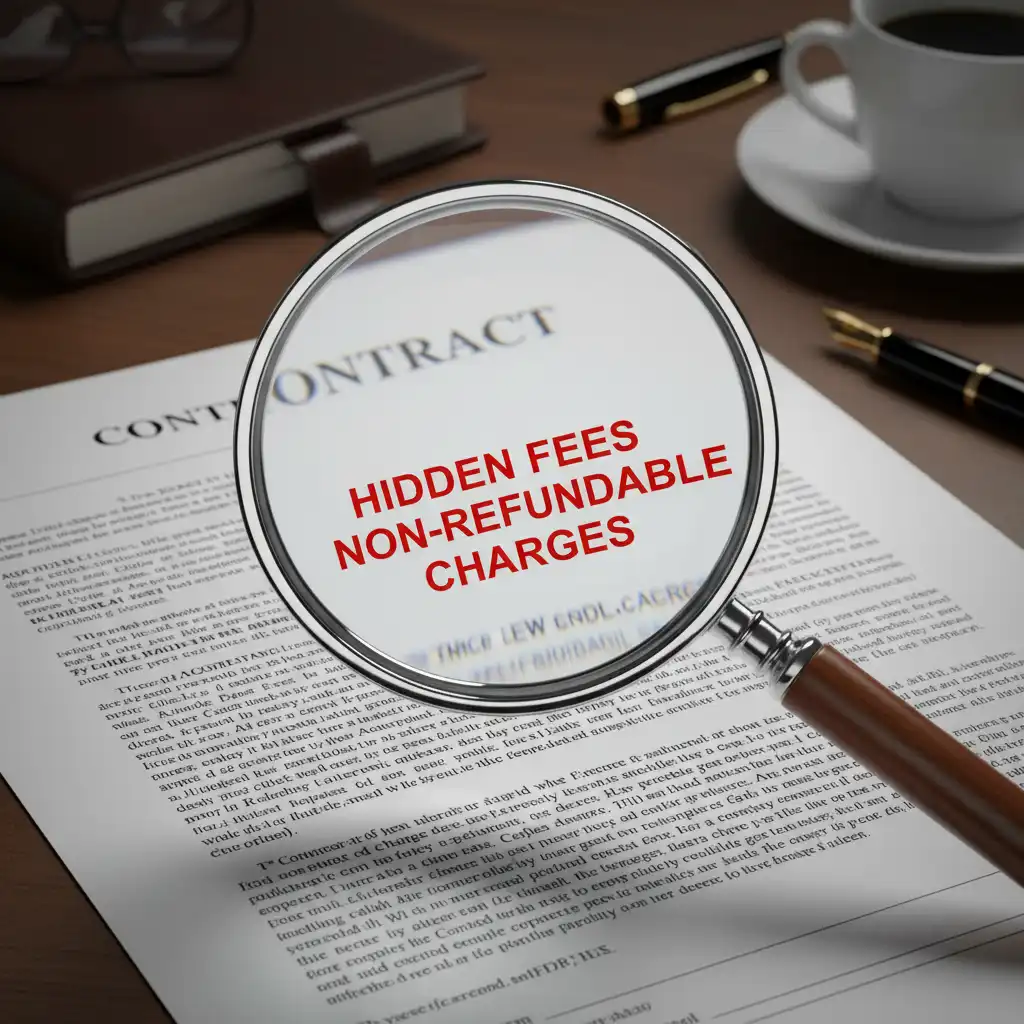
Hidden Costs and Additional Charges to Watch For
When analyzing the total cost of a transaction, the broker’s commission is just one line item. To accurately compare domain broker fees nz, you must account for the ancillary costs that often catch participants off guard.
1. Escrow Fees
Security is paramount in domain transactions. Services like Escrow.com or local legal trust accounts are used to hold funds until the domain is transferred. Escrow fees typically range from 0.89% to 3.25% of the transaction value.
Critical Question: Does the broker pay the escrow fee out of their commission, or is this an extra cost split between buyer and seller?
2. Goods and Services Tax (GST)
In New Zealand, if the broker is GST-registered, they must charge 15% GST on their services. If you are a GST-registered business buying from another GST-registered business, this is a wash. However, for private individuals or international transactions, GST can add a significant amount to the final invoice. Always clarify if the quoted percentage is “plus GST” or “inclusive of GST.”
3. Valuation and Appraisal Fees
Some brokers may suggest a paid appraisal to determine the fair market value of your domain before listing. While sometimes useful, be wary of brokers who mandate an expensive appraisal from a specific provider as a prerequisite to listing. This can sometimes be a revenue-generating scheme rather than a genuine sales aid.
4. Transfer Fees
While nominal, .nz domain transfer fees charged by registrars (like GoDaddy, Crazy Domains, or local NZ registrars) are usually the responsibility of the buyer. However, some brokers may charge an administrative fee for handling the technical UDAI (Unique Domain Authentication ID) transfer process.
Is Paying a Broker Worth the Cost?
After reviewing the fees, you might wonder if you should simply list the domain on a marketplace like Trade Me or Sedo and handle it yourself. The value of a broker lies not in the listing, but in the negotiation and network.
Access to Private Buyers
Top NZ brokers maintain lists of corporate buyers, investors, and brand managers looking for specific keywords. They can pick up the phone and call a CEO or Marketing Director—access that an average seller simply does not have. If a broker can secure a sale price of $20,000 where you would have accepted $10,000, their 15% fee ($3,000) pays for itself multiple times over.
Anonymity and Strategy
For buyers, using a broker protects your identity. If a large NZ corporation tries to buy a domain directly, the seller often inflates the price immediately. A broker acts as a shield, negotiating a fair market value without revealing the deep pockets behind the purchase.
How to Negotiate Broker Fees
Brokerage fees are rarely set in stone. Here is how you can negotiate a better rate when you compare domain broker fees nz:
- Bring a Portfolio: If you are selling multiple domains, ask for a volume discount. Brokers prefer bulk inventory and may drop their rate to 10-12% for a portfolio mandate.
- Prove the Value: If you have a premium one-word .nz or .co.nz domain with high search volume, leverage its liquidity. Brokers know high-quality assets sell faster and may accept a lower percentage for the “easy” commission.
- Tiered Incentives: Propose a tiered structure. For example, offer 10% on the first $10,000 and 20% on anything above that. This aligns the broker’s incentive with your goal of maximizing the price.

People Also Ask
Do domain brokers in NZ charge fees if the domain doesn’t sell?
Generally, no. Most sales-side brokers operate on a contingency basis, meaning they only get paid a commission if the domain sells. However, buy-side brokers (acquisitions) may charge a non-refundable retainer fee for their time and effort in locating and contacting the owner.
What is the average commission for a domain broker?
The industry standard for domain brokerage commission is between 10% and 20%. In New Zealand, 15% is a very common rate for mid-range domains ($5k-$50k), while high-value assets may negotiate down to 10-12%.
Who pays the escrow fees in a domain transaction?
This is negotiable, but standard practice is often for the buyer to pay escrow fees, or for the fees to be split 50/50 between buyer and seller. Occasionally, a broker may agree to cover the escrow fee out of their commission to close a deal, but this is rare.
Are domain broker fees tax deductible in NZ?
For businesses, domain broker fees are typically considered a business expense and can be tax-deductible. However, domains are intangible assets, and tax treatment can vary. It is essential to consult with a New Zealand accountant regarding capital gains or expense claims.
Can I sell a .nz domain without a broker?
Yes, you can sell a .nz domain privately via marketplaces like Trade Me, Sedo, or Dan.com. However, without a broker, you are responsible for marketing, negotiation, and ensuring a safe transfer of funds and assets, which carries higher risk.
What is the difference between a broker and a marketplace?
A marketplace is a passive platform where you list a domain and wait for buyers (charging 10-15% fees). A broker is an active agent who performs outbound sales, calls potential buyers, negotiates on your behalf, and manages the legal closing process (charging 15-20% fees).
