

Budget Domain Acquisition
To buy cheap NZ domains, compare authorized registrars like Crazy Domains, 1st Domains, and Discount Domains for promotional first-year rates, often starting under $20 NZD. Secure long-term savings by auditing renewal fees, avoiding unnecessary add-ons like premium DNS, and monitoring dropped domain lists to acquire high-authority URLs at standard registration prices rather than premium aftermarket rates.
Securing a digital foothold in New Zealand starts with the right domain name, but costs can vary wildly depending on where and how you register. Whether you are a startup looking to minimize overhead or a domain investor building a portfolio, navigating the .nz market requires a strategic approach to pricing structures, registrar comparisons, and aftermarket negotiation.
The Landscape of Budget .nz Domains
The New Zealand domain market is regulated by the Domain Name Commission (DNC), but the retail price you pay is determined by individual authorized registrars. Unlike some global extensions where prices are relatively flat, the .nz, .co.nz, and .org.nz extensions see significant price volatility between providers. Understanding the distinction between wholesale costs and retail markup is the first step in your budget acquisition strategy.
Most “cheap” domains are the result of loss-leader pricing strategies. Registrars sell domains at or below cost for the first year to acquire a customer, banking on the fact that you will renew at a higher rate or purchase high-margin add-ons like hosting, email, or SSL certificates. To truly buy cheap NZ domains, you must look past the initial sticker price and calculate the Total Cost of Ownership (TCO) over three to five years.
Comparing Registrar Prices: Who is Actually Cheapest?
When searching for the most affordable entry point, it is crucial to compare apples to apples. Some registrars bundle services, while others strip them away to show a lower base price. Below is an analysis of how major players in the NZ market typically structure their pricing.
The Big Players: Crazy Domains, Freeparking, and 1st Domains
Crazy Domains often aggressively markets to entry-level buyers. You will frequently see promotions for .co.nz domains for as low as $15 NZD for the first year. However, their interface is heavily sales-driven, often prompting users to add privacy protection or website builders during checkout. If you are strictly looking for the lowest acquisition cost, they are a strong contender, provided you uncheck all optional extras.
Freeparking is a legacy brand in New Zealand. While they historically positioned themselves as a premium provider, they occasionally offer competitive acquisition rates. However, their renewal rates tend to be on the higher end of the spectrum. They are reliable and offer excellent local support, which may justify the cost for businesses, but budget hunters may find better long-term value elsewhere.
1st Domains and Discount Domains often strike a balance between fair initial pricing and reasonable renewal rates. They tend to have fewer upsells in the cart flow, making them a favorite for professionals who want a clean transaction without navigating a maze of add-ons.
International vs. Local Registrars
You can also register .nz domains through international giants like GoDaddy or Namecheap. While convenient if you already manage .com domains there, they are not always the cheapest option for Country Code Top-Level Domains (ccTLDs). International registrars may mark up .nz domains significantly because they are considered “specialty” extensions on their platforms. Generally, local NZ-accredited registrars offer more competitive pricing for local extensions.
Hidden Renewal Fees and Cost Traps
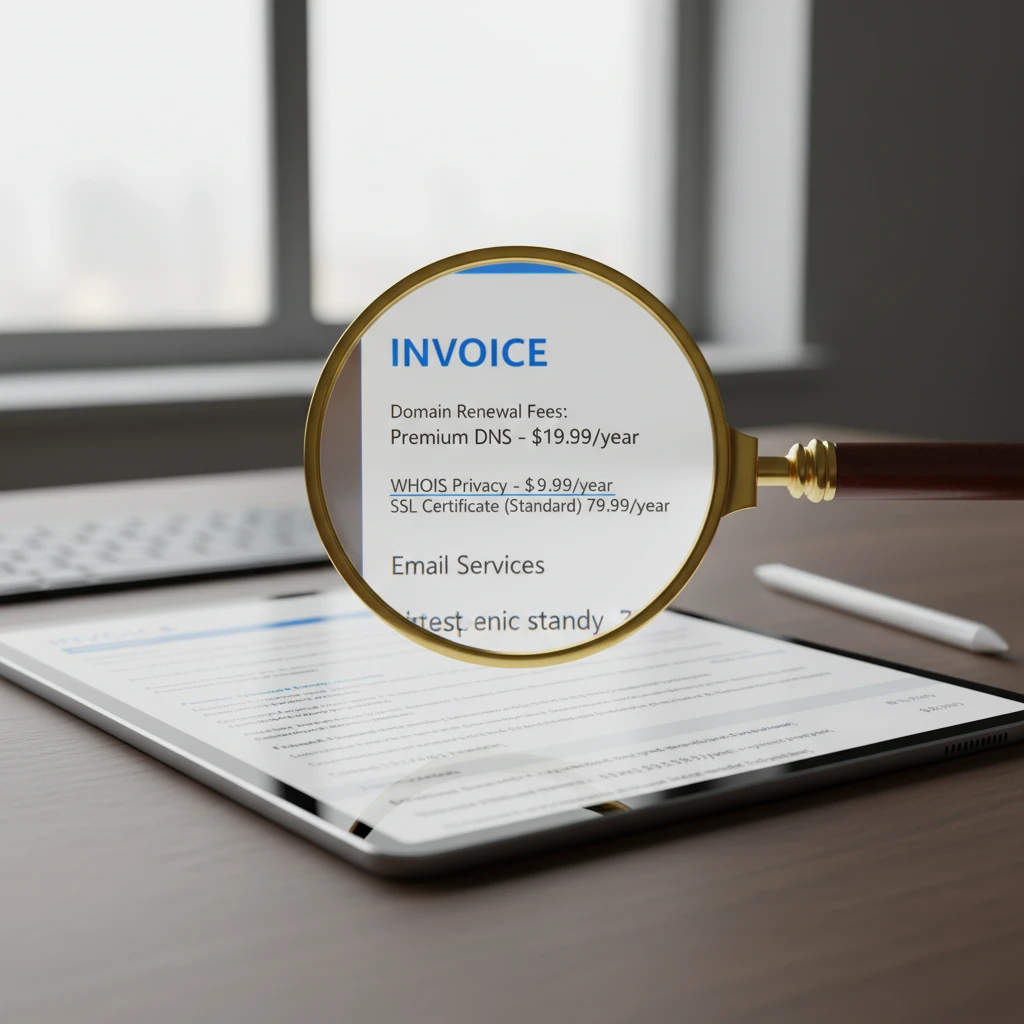
The golden rule of budget domain acquisition is: The acquisition price is rarely the retention price. Many budget-conscious buyers fall into the trap of migrating a portfolio to a registrar offering $10 registrations, only to be hit with $45 renewal invoices the following year.
The “Promo Rate” Cliff
Registrars are required to publish their renewal rates, but they are often buried in the Terms of Service or a separate pricing sheet. Before committing to a purchase, locate the standard renewal fee. If a registrar offers a domain for $12 but renews at $50, and a competitor offers it for $25 but renews at $30, the competitor is cheaper by year two.
DNS and Privacy Redactions
For .nz domains, individual registrants (non-trading individuals) are entitled to have their contact address and phone number withheld from the public WHOIS search for privacy. This is a feature supported by the DNC. However, some registrars charge extra for “ID Protection” or “Domain Privacy” packages. Be wary of paying for privacy that you might be eligible for by default or that should be included in the management fee.
Transfer-Out Fees
While rare in the modern era, some budget hosts charge an administrative fee to unlock a domain or generate a UDAI (Unique Domain Authentication ID) for transfer. Always check the transfer policy. A cheap domain is not cheap if you are held hostage by exit fees.
Finding Dropped Domains with High Potential
One of the most effective ways to acquire high-value domains on a budget is to look at the “dropped” or “expired” market. These are domains that previous owners failed to renew. When they return to the public pool, they can be registered for the standard registration price, despite potentially having valuable backlink profiles or age authority.
The Lifecycle of a Dropped .nz Domain
When a .nz domain expires, it goes through a grace period (usually 90 days) where the original owner can still renew it. Once this period ends, the domain enters a “Pending Release” status before becoming available to the public. Catching a domain the second it drops is a competitive sport.
Tools for Spotting Gems
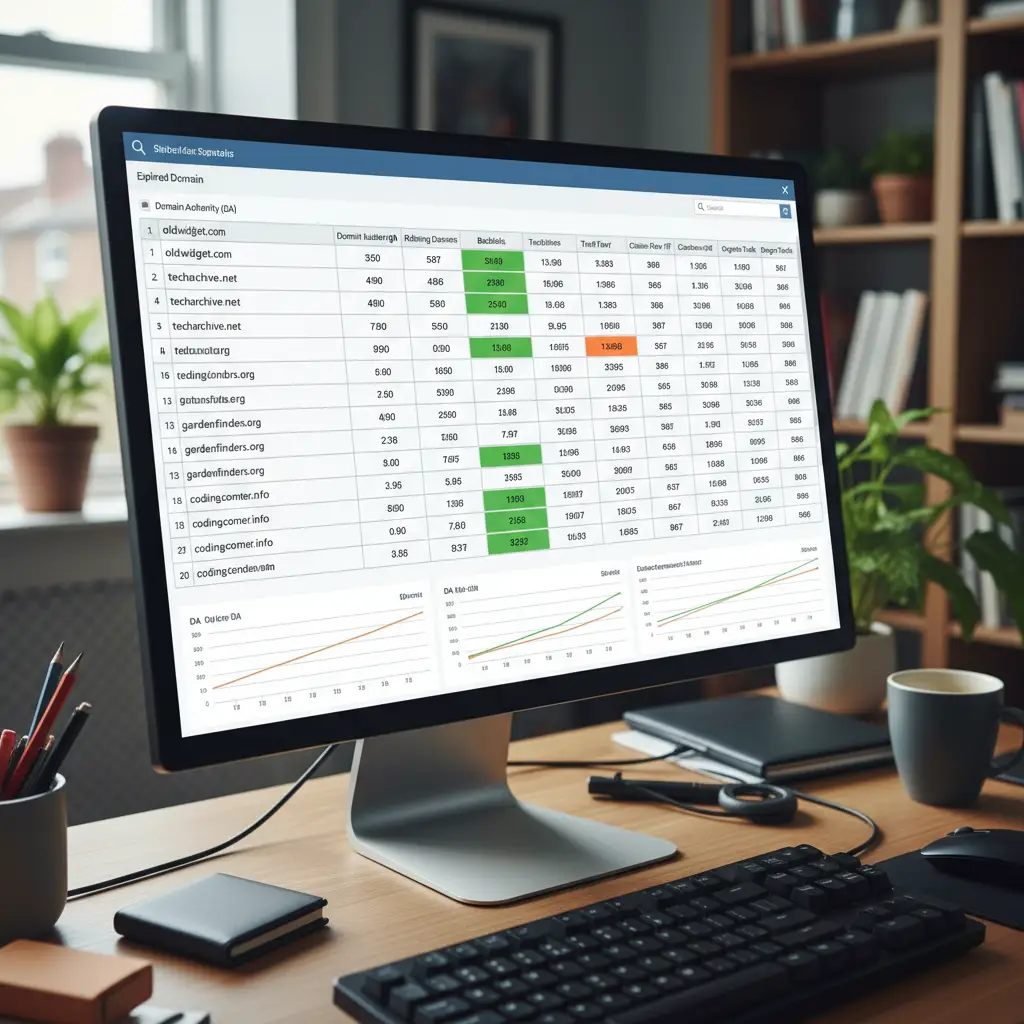
To find these domains, use tools like ExpiredDomains.net (filtering for .nz). Look for domains with:
- Existing Backlinks: Domains that have links from reputable NZ news sites or government bodies are gold for SEO.
- Clean History: Use the Wayback Machine to ensure the domain wasn’t previously used for spam or gambling sites.
- Short Characters: 3-letter or 4-letter acronyms are rare and hold inherent value.
By manually registering a dropped domain for $20, you avoid paying thousands in the aftermarket. This is the ultimate budget acquisition strategy for SEO professionals.
Negotiating for Low-Tier Aftermarket Domains
Sometimes the domain you want is already taken but isn’t being used. It might be “parked” or simply resolving to an error page. These are aftermarket domains. While premium domains sell for five or six figures, there is a vast “low-tier” market where domains can be picked up for $50 to $200 if you negotiate correctly.
Identifying Motivated Sellers
Use the WHOIS lookup tool on the DNC website to find the registrant’s contact info. If the email is generic (e.g., gmail or hotmail) and the site is down, the owner may be a hobbyist who lost interest. These sellers are often motivated to sell for a nominal fee just to recoup their initial investment.
The “Student” Approach
When reaching out, do not use a corporate email address. Approach as an individual or a startup with a limited budget. A template might look like this:
“Hi [Name], I noticed you own [domain.co.nz]. I’m working on a small project and this name would fit well. I see it’s currently inactive. Would you be open to selling it for $100? It would save you the renewal fees, and I can put it to use immediately.”
This anchors the price low and highlights the benefit to them (saving renewal fees). Many owners would rather take $100 today than pay $30 to renew a domain they aren’t using.

Bulk Buying and Transfer Strategies
If you are managing a portfolio of 10 or more domains, you should never pay retail prices. Most NZ registrars have “reseller” or “bulk” tiers, even if they aren’t advertised on the homepage.
Leveraging Volume for Discounts
Contact the support team of your preferred registrar. Ask specifically: “I have 20 .co.nz domains I am looking to consolidate. What is the best transfer and renewal rate you can offer?” Registrars want volume. They may move you to a wholesale tier that drops the price from $25 to $18 per year. Over a decade, across 20 domains, this saves you $1,400.
Timing Your Transfers
When you transfer a .nz domain, the remaining registration time is carried over, and the clock is usually reset or extended depending on the registrar’s specific terms. However, unlike .com domains, .nz transfers do not always require an immediate one-year renewal payment upon transfer, though many registrars enforce it. Clarify this policy before moving. Ideally, transfer your domains when a registrar runs a “Transfer In” promotion.
People Also Ask
What is the cheapest domain extension in New Zealand?
The .nz and .co.nz extensions are generally the most affordable and widely used. While niche extensions like .kiwi.nz or .geek.nz exist, they often cost the same or more due to lower volume. Standard .co.nz domains can be found for promotional rates as low as $15 NZD.
Can I buy a .nz domain permanently?
No, you cannot buy a domain permanently. You are effectively leasing the name from the registry. You can register it for up to 10 years in advance, but you must continue to pay renewal fees to maintain ownership.
Do I need to be a NZ resident to buy a .nz domain?
Generally, no. Anyone can register a .nz or .co.nz domain. However, some specific second-level domains like .cri.nz (Crown Research Institutes) or .govt.nz have strict eligibility restrictions requiring a local presence or specific legal status.
How do I avoid losing my cheap domain?
Enable “Auto-Renew” in your registrar dashboard and ensure your payment method is up to date. Many budget domains are lost because a credit card expires. Using a dedicated bank account or PayPal for renewals adds a layer of safety.
Is it cheaper to transfer a domain or renew it?
Often, it is cheaper to transfer. Registrars frequently offer discounted rates for incoming transfers to poach customers from competitors. If your current registrar’s renewal fee is high (e.g., $40+), transferring to a provider with a $20 transfer fee can save you money immediately.
Why are some .nz domains so expensive?
If a domain price is in the thousands, it is likely a “Premium” domain being sold on the aftermarket by a private owner, not the registrar. The high price reflects the brand value, keyword relevance, or shortness of the name, not the administrative cost of registration.
