

Using a professional domain broker is significantly safer for high-value transactions than attempting a private sale. Brokers utilize secure escrow services to safeguard funds, ensure strict legal compliance during the transfer of ownership, and maintain anonymity for both parties. In the New Zealand market, a reputable domain broker nz expert verifies ownership rights and manages the technical transfer of .nz domains, effectively mitigating the risks of fraud, theft, and payment disputes.
For businesses and investors in New Zealand, the digital landscape is becoming increasingly competitive. Securing the perfect .co.nz or .nz web address is no longer just a technicality—it is a critical branding asset. However, the secondary market for domains (buying domains already owned by someone else) is fraught with potential pitfalls, from pricing ambiguity to outright scams. This brings us to a pivotal question for Kiwi businesses: Is hiring a domain broker worth the commission, and more importantly, does it guarantee a safer transaction?
What Does a Domain Broker Do?
A domain broker acts as a specialized intermediary between buyers and sellers of domain names. Much like a real estate agent facilitates the sale of property, a domain broker facilitates the sale of digital intellectual property. Their primary role is to bridge the gap between a domain owner’s asking price and a buyer’s budget, but their responsibilities extend far beyond simple negotiation.
In the context of the New Zealand market, a domain broker nz specialist understands the specific nuances of the local namespace. While generic brokers might focus solely on .com extensions, a local expert knows the intrinsic value of a short, keyword-rich .co.nz domain versus the newer direct .nz extension.
Core Responsibilities
- Valuation: determining a realistic market price based on comparable sales, keyword search volume, and brandability.
- Outreach: Locating the owner of a domain (who may have privacy protection enabled) or finding potential buyers for a premium asset.
- Negotiation: handling the back-and-forth bargaining to reach a fair price without emotional attachment.
- Transaction Management: Overseeing the secure transfer of funds and the technical migration of the domain name.

Is Using a Domain Broker Safer?
The short answer is yes. The secondary domain market is unregulated in many aspects, making it a breeding ground for cybercriminals. Without a broker, you are essentially conducting a high-value transaction with a stranger over the internet. Here is why a broker enhances safety:
1. Escrow Services and Payment Protection
The single biggest risk in a domain sale is the “who goes first?” dilemma. If the buyer pays first, the seller might never transfer the domain. If the seller transfers the domain first, the buyer might never pay. Brokers solve this by using licensed Escrow services (like Escrow.com or local trust accounts). The buyer deposits funds into a secure holding account, and funds are only released to the seller once the broker confirms the domain has been successfully transferred to the buyer’s control.
2. Anonymity and Privacy
For high-profile businesses or wealthy individuals, purchasing a domain publicly can artificially inflate the price. If a seller knows a large NZ corporation is the buyer, the price often triples. A broker acts as a shield, keeping the buyer’s identity confidential during negotiations. This not only protects your budget but also prevents competitors from knowing your future branding moves.
3. Avoiding “Stolen” Goods
A major risk in the secondary market is purchasing a domain that was previously stolen or hijacked. If you buy a stolen domain, you will likely lose it (and your money) when the original owner reclaims it through the Domain Name Commission’s dispute resolution process. Experienced brokers conduct due diligence to verify the seller is the legitimate registrant of the domain.
How to Vet a Domain Broker in NZ
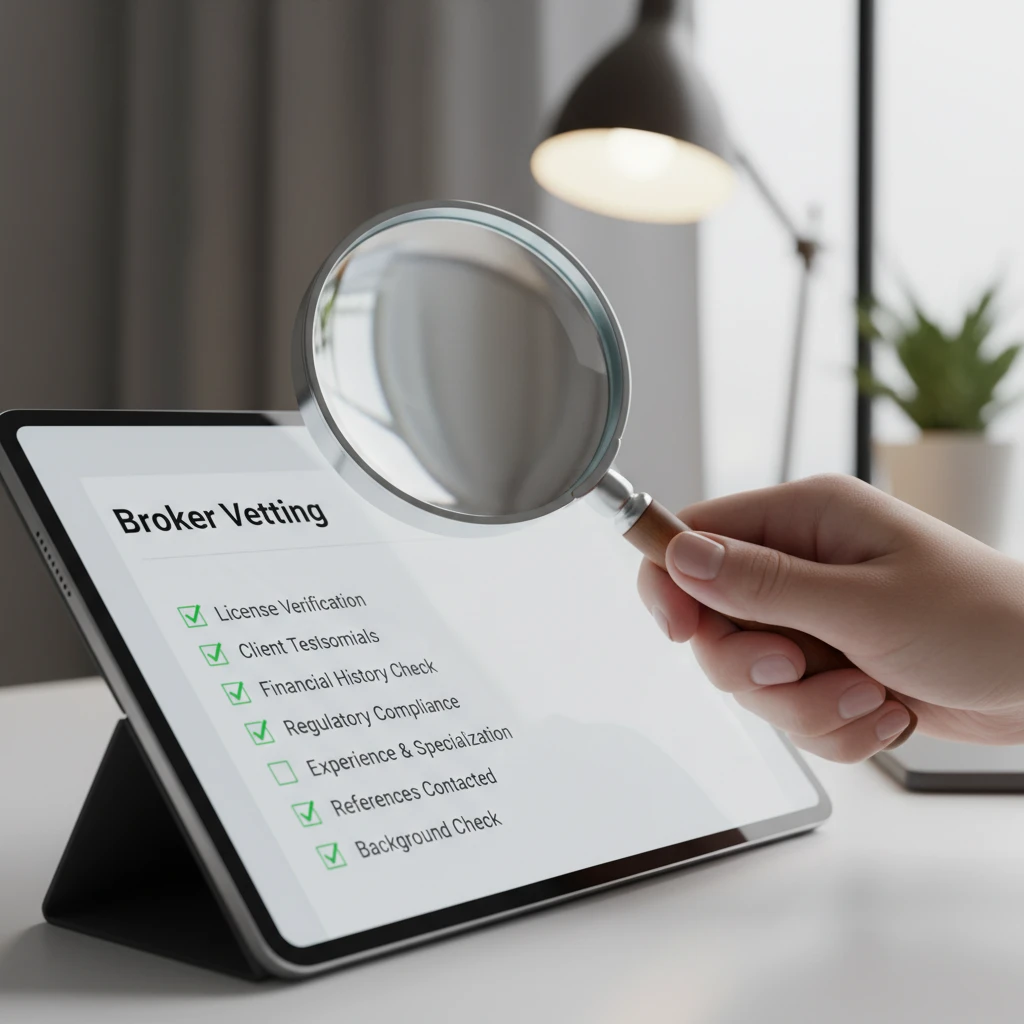
Not all brokers are created equal. Since the barrier to entry is low, it is crucial to vet your potential partner thoroughly. When looking for a domain broker nz, consider the following criteria to ensure you are dealing with a professional.
Reputation and Track Record
Look for reviews and testimonials. Has this broker successfully closed deals in the past? Do they have a presence on industry forums like NamePros or DNForum? In a small market like New Zealand, reputation is everything. Ask for case studies specifically related to .nz or .co.nz sales.
Industry Connections
Top-tier brokers have direct lines of communication with major registrars (like Crazy Domains, GoDaddy, or local NZ registrars) and legal experts. They should be familiar with the policies set forth by the InternetNZ and the Domain Name Commission (DNC).
Standard Commission Rates and Fees
Understanding the cost structure is essential for commercial planning. Generally, domain brokers operate on a commission basis, similar to real estate agents, but there are nuances you must be aware of.
The Standard 10-20% Commission
The industry standard commission rate typically falls between 10% and 20% of the final sale price. For lower-value domains (e.g., under $5,000 NZD), the percentage might be higher, or there may be a minimum fee (e.g., $250 – $500) to cover the broker’s time.
Upfront Fees vs. Success Fees
- Buyer’s Brokers: Often charge a small upfront engagement fee to filter out “tire kickers” and cover initial research time. This is standard practice for acquiring specific, high-value domains.
- Seller’s Brokers: Usually work on a “no win, no fee” basis (success fee only). However, they will often require exclusivity to ensure they are rewarded for their marketing efforts.
Always clarify who pays the Escrow fees. In many deals, this fee is split 50/50 between buyer and seller, but a skilled broker can negotiate this as part of the deal terms.
Contracts and Exclusivity
Before any work begins, a professional broker will require a contract. This protects both parties and sets clear expectations. Do not rely on handshake deals for digital assets.
Exclusive Agreements
If you are selling a premium domain, a broker will likely ask for an exclusive right to sell for a set period (usually 30 to 90 days). This means that even if you find a buyer yourself during this period, the broker is still entitled to their commission. While this might restrict you, it motivates the broker to invest their own money into marketing your domain to their network.
Non-Exclusive Agreements
These allow you to work with multiple brokers or sell the domain yourself. While this sounds flexible, it often leads to brokers putting in less effort because their chance of a payday is diluted. For high-value assets, exclusivity is generally preferred to ensure dedicated attention.

The Risks of Going It Alone (DIY Sales)
Many business owners attempt to buy or sell domains directly to save on commission fees. While possible, the risks often outweigh the savings, especially for domains valued over $1,000.
Emotional Pricing
Sellers often overvalue their domains based on sentimental attachment, while buyers undervalue them based on budget constraints. This gap often kills deals that a broker could have saved through objective negotiation.
Technical Transfer Errors
Transferring a domain is not as simple as handing over a password. In New Zealand, the process involves UDAI (Unique Domain Authentication ID) codes. If a seller provides the code before securing payment, the buyer can take the domain and disappear. Conversely, if a buyer pays via PayPal, they can file a chargeback after receiving the domain, leaving the seller with nothing. Brokers eliminate these vectors of fraud.
The .NZ Domain Transfer Process Explained
A competent domain broker nz will handle the technical heavy lifting, but it is beneficial to understand the mechanics of a .nz transfer.
The Role of the UDAI
Every .nz domain has a Unique Domain Authentication ID (UDAI). This 8-character code is the key to the domain. Whoever has the UDAI can transfer the domain to a new registrar or change the registrant details. A broker ensures this code is only released when funds are secured in escrow.
Change of Registrant (COR)
Simply changing the contact email on a domain is not a legal change of ownership. A formal Change of Registrant process must be initiated through the registrar. This often incurs a small fee. Brokers ensure this step is completed correctly so that the legal title of the domain is indisputably transferred to the buyer, preventing future ownership disputes.

Conclusion
In the high-stakes world of digital real estate, using a domain broker is undoubtedly safer than navigating the market alone. For New Zealand businesses, a local broker brings the added value of market insight, understanding of .nz regulations, and the ability to conduct secure transactions via escrow. While the 10-20% commission is an added cost, it is a small price to pay for the assurance that your funds are safe, your anonymity is preserved, and the legal title of your digital asset is secure.
People Also Ask
How much does a domain broker cost in New Zealand?
Most domain brokers in New Zealand charge a commission fee between 10% and 20% of the final sale price. Some may also charge a small upfront engagement fee, particularly for buyer-side acquisitions involving complex negotiations.
Is it safe to buy a domain without a broker?
Buying a domain without a broker carries risks, including payment fraud and failure to transfer ownership. If you proceed without a broker, it is critical to use a licensed service like Escrow.com to protect your funds until the domain is in your control.
What is the difference between a domain registrar and a domain broker?
A registrar (like GoDaddy or Crazy Domains) is a company accredited to sell new domain names. A domain broker is an agent who negotiates the purchase or sale of “second-hand” domains that are already owned by someone else.
Can a broker help me get a domain that is already taken?
Yes, this is one of the primary functions of a buyer’s broker. They can perform a “stealth acquisition,” contacting the current owner anonymously to negotiate a sale price on your behalf.
What is a UDAI code?
A UDAI (Unique Domain Authentication ID) is an 8-character password required to transfer .nz domain names from one registrar to another. It acts as the security key for the domain.
Are domain broker contracts legally binding?
Yes, a signed agreement with a domain broker is a legally binding contract. It outlines the commission structure, exclusivity period, and the obligations of both the buyer/seller and the broker.
