

To sell a domain name in NZ, you must first value the asset based on keyword relevance and extension (.co.nz vs .nz). List the domain on marketplaces like Trade Me or Sedo, or use direct outreach. Once sold, you must generate a Unique Domain Authentication ID (UDAI) from your registrar to authorize the legal transfer to the buyer.
Overview of the NZ Secondary Domain Market
The digital landscape in Aotearoa is unique. unlike the vast, impersonal ocean of the .com market, the New Zealand domain secondary market is a tight-knit, high-trust ecosystem. When you look to sell domain name nz assets, you are engaging in a market where local identity carries a premium. Kiwi businesses prioritize .co.nz and .nz extensions because they signal local presence, relevance to Google.co.nz search algorithms, and adherence to New Zealand consumer laws.
In recent years, the demand for premium New Zealand domains has surged. As brick-and-mortar businesses accelerate their digital transformation, the scarcity of single-word or high-value two-word domains has driven prices upward. This is not just about squatting on names; it is about digital real estate investment. A well-chosen domain acts as the digital storefront for Kiwi enterprises, and they are willing to pay for the credibility that comes with a premium URL.

However, liquidity can be an issue. Unlike the global market where a .com might attract millions of potential buyers, a .nz domain targets a population of 5 million and businesses specifically operating within this jurisdiction. Therefore, understanding how to position your asset to the right local buyer is more critical than sheer traffic volume.
Understanding the .nz and .co.nz Ecosystem
Before listing your asset, you must understand the hierarchy of New Zealand domain extensions. This is a common stumbling block for international investors or new local sellers. The value proposition differs significantly between the two primary extensions.
The Legacy Powerhouse: .co.nz
For decades, .co.nz has been the standard for commercial entities in New Zealand. It is the equivalent of .com for Kiwis. It carries the highest level of trust and familiarity. If you hold a generic keyword string in a .co.nz extension (e.g., plumber.co.nz or insurance.co.nz), you possess a “Category Killer.” These domains historically command the highest resale prices because they are the first address a customer types when looking for a local service.
The Modern Contender: .nz
Launched more recently allowing for shorter, punchier URLs, the direct .nz extension is gaining traction, particularly among startups, tech companies, and creative agencies. While it has not yet fully eclipsed .co.nz in terms of raw resale value for traditional industries, it is preferred for brandability. Selling a .nz domain often requires pitching the “modern” and “concise” angle to potential buyers.
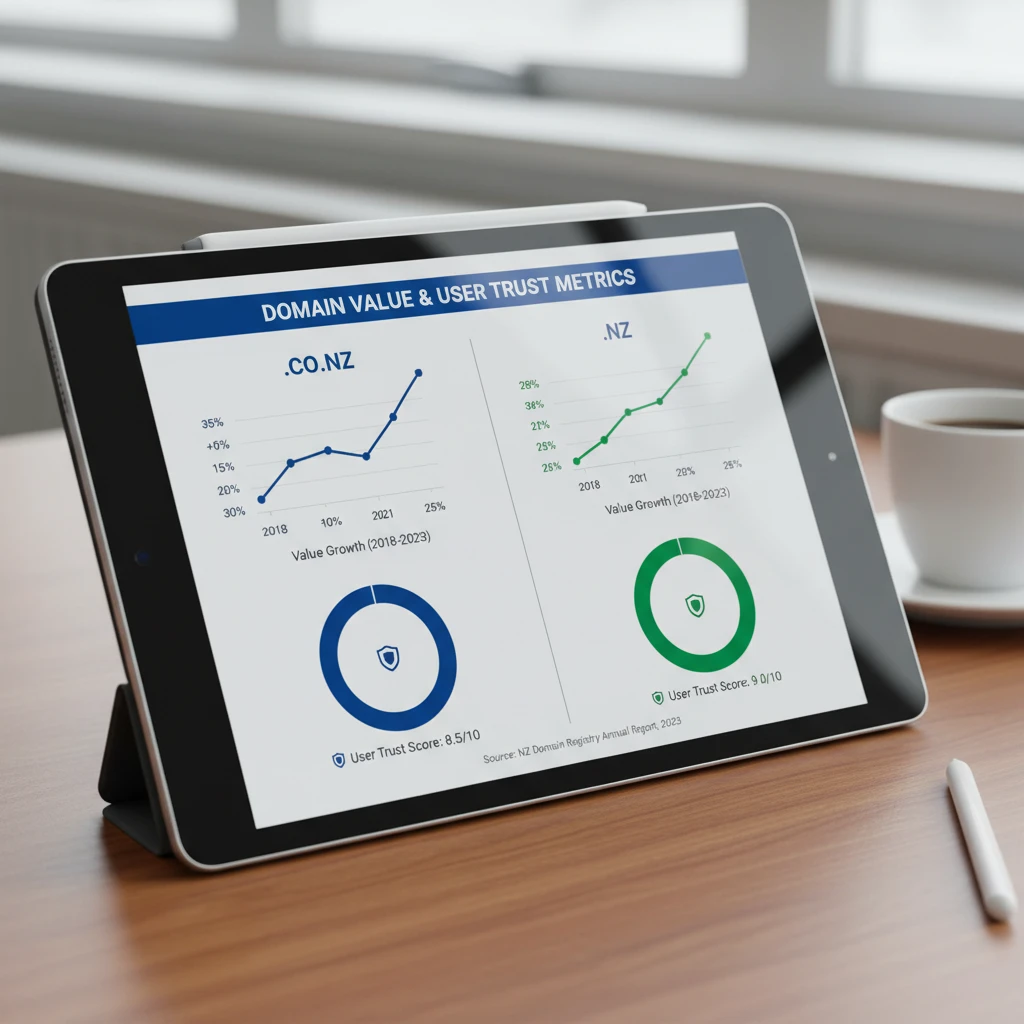
Pro Tip for Sellers: If you own both the .co.nz and the .nz versions of a name, sell them as a bundled package. This provides the buyer with “brand protection,” preventing competitors from launching on the alternative extension, and allows you to increase the total sale price significantly.
Trade Me vs. Global Marketplaces: Cost Analysis
When you decide to sell domain name nz assets, choosing the right venue is the most significant determinant of your success. You generally have two paths: the local giant (Trade Me) or the global specialists (Sedo, Afternic, Dan.com).
Selling on Trade Me
Trade Me is the eBay of New Zealand and is often the first port of call for local business owners looking for a domain. It has a dedicated “Web Domain Names” category.
- Pros: High visibility among Kiwi buyers; familiar interface; trust factor.
- Cons: Fees can be high relative to the service provided; the audience is general, not just domain investors.
- Cost Structure: Trade Me typically charges a success fee (commission) on the sale price. For general marketplace items, this can be around 7.9%, but you must check the specific category caps. Additionally, you may pay for “extras” to feature your listing.
Selling on Global Platforms (Sedo, Dan.com)
These platforms are designed specifically for domain transactions.
- Pros: Secure escrow services are built-in; access to international investors looking for NZ assets; specialized landing pages.
- Cons: Lower visibility among the average Kiwi plumber or baker who might want your domain.
- Cost Structure: Commissions usually range from 10% to 20% depending on whether the domain was parked with them or if you used their brokerage service.
The Hybrid Strategy
For the best results, many professional sellers list their domains on global platforms (like Dan.com) to utilize their professional “For Sale” landing pages, but then advertise the domain locally on Trade Me or via direct outreach, directing the buyer to the global platform for the secure transaction. This combines local marketing with global infrastructure.
Quick Start Guide for the Kiwi Side-Hustler
Ready to turn your unused domains into cash? Follow this inverted pyramid strategy to prioritize the most impactful actions first.
1. Accurate Valuation
Do not guess. Use tools like Estibot for a baseline, but adjust for the NZ market. Check “Sold” listings on Trade Me to see what similar domains actually sold for, not just what they are listed for. A domain is only worth what a buyer will pay, and in NZ, mid-range domains often sell between $500 and $2,500 NZD, while premium keywords can go for five or six figures.
2. The Landing Page
If someone types your domain into a browser, what do they see? If it’s a browser error, you are losing money. Set up a “For Sale” landing page. You can do this easily by pointing the DNS to a marketplace like Sedo or Dan.com. This ensures that passive traffic knows the asset is acquirable.

3. Outbound Marketing
Don’t wait for buyers. If you are selling wellingtonplumbing.co.nz, Google “Wellington Plumbers.” Look for businesses with terrible domains (e.g., bob-smith-plumbing-ltd.net) or no website. Email them professionally. Explain that you are selling a premium digital asset that can help them own their market. Keep it brief and commercial.
The Technical Transfer Process (UDAI)
This is the most critical technical aspect of selling a .nz domain. Unlike .com domains which use “Auth Codes” and 60-day locks, the New Zealand system relies on the UDAI (Unique Domain Authentication ID).
What is a UDAI?
The UDAI is an 8-character password generated by the domain registrar. It is the key to the kingdom. Whoever possesses the UDAI can transfer the domain to their own registrar and take control of the asset.
The Transfer Workflow
- Secure Payment: Never release the UDAI until you have funds in hand or in Escrow. For high-value transactions, use a service like Escrow.com or a local legal intermediary.
- Generate UDAI: Log into your current registrar (e.g., Crazy Domains, GoDaddy, Freeparking). Look for the “Manage Domain” section and select “UDAI” or “Auth Code.” Request a new code.
- Validity: A UDAI is typically valid for 30 days.
- Release to Buyer: Send the UDAI to the buyer.
- Buyer Action: The buyer gives this code to their registrar. The transfer is usually instantaneous or completes within a few hours, unlike the days it can take for international domains.
Warning: If you give the UDAI to a potential buyer “just to check,” they can steal your domain instantly. Treat the UDAI like your PIN number.
Legal and Privacy Considerations for NZ Sellers
Operating in the New Zealand market requires adherence to specific rules set out by the Domain Name Commission (DNC).
The Domain Name Commission (DNC)
The DNC regulates the .nz market. As a seller, you must ensure your contact details on the registry are accurate up until the moment of sale. If you are trading as a business, your details are public. If you are an individual, you can opt for privacy, but you must still be contactable.
Dispute Resolution Service (DRS)
Be aware of “Passing Off” or trademark infringement. If you register airnz-deals.co.nz and try to sell it, Air New Zealand can invoke the Dispute Resolution Service (DRS). If they can prove they have rights to the name and your registration is unfair (abusive), the DNC can strip the domain from you without compensation. To sell domain name nz assets safely, stick to generic terms (e.g., cheapflights.co.nz) rather than trademarked terms.

Tax Implications
In New Zealand, if you buy a domain with the intention of selling it for a profit, the proceeds are generally considered taxable income by the IRD (Inland Revenue Department). It is treated similarly to property trading. If you bought a domain for a business, used it for years, and then sold it as part of a business liquidation, the tax treatment might differ (capital gain vs. revenue). Always consult a Kiwi accountant if you are flipping domains regularly.
Frequently Asked Questions
How much does it cost to list a domain on Trade Me?
Trade Me fees vary by category and listing type. Generally, there is a listing fee (often minimal or free for basic listings) plus a success fee if the item sells. The success fee is approximately 7.9% of the sale price, capped at a certain amount. Always check the latest “Fees and casual rates” page on Trade Me for the ‘Web domain names’ category.
What is a UDAI code and why do I need it?
A UDAI (Unique Domain Authentication ID) is an 8-character authorization code required to transfer a .nz domain from one registrar to another. It acts as the password for the domain. You must generate this code via your registrar and provide it to the buyer only after you have received payment.
Is domain flipping legal in New Zealand?
Yes, buying and selling domain names is legal in New Zealand. However, you must not infringe on trademarks (cybersquatting). If you register a domain identical or confusingly similar to a protected brand to profit from their goodwill, the domain can be confiscated through the Domain Name Commission’s Dispute Resolution Service.
Can I sell a .nz domain to someone overseas?
Absolutely. There are no residency restrictions for owning a standard .nz or .co.nz domain. You can sell your NZ domain to a buyer in the USA, Europe, or anywhere else. Global marketplaces like Sedo are excellent for finding international buyers interested in NZ assets.
How do I value my .co.nz domain?
Valuation is subjective, but key factors include: length (shorter is better), keyword popularity (search volume), extension (.co.nz is usually higher value than .net.nz), and commercial potential. Compare your domain to similar sold listings on Trade Me or use appraisal tools like Estibot as a rough guide.
Do I need to pay tax on selling domains in NZ?
Generally, yes. If you purchased the domain with the intention of selling it, the IRD views the profit as taxable income. If you are in the business of domain trading, you must declare this income. Consult a tax professional for advice specific to your situation.
