

Selling a domain privately is generally safe provided that strict security protocols are utilized, specifically the use of a licensed escrow service. Without an intermediary to hold funds, private sellers face significant risks of non-payment, chargeback fraud, and domain theft. To ensure safety, never transfer the Unique Domain Authentication ID (UDAI) until funds are verified in a secure trust account.
The secondary market for digital assets in New Zealand is growing, but so is the sophistication of bad actors looking to exploit independent sellers. When you choose to bypass established marketplaces to save on commission fees, you effectively become your own security team. This guide details the essential safety protocols required to navigate the sale of .nz and .co.nz domains without falling victim to fraud.
Is It Safe to Sell Domain Privately? Understanding the Risks
The question “is it safe to sell domain privately” does not have a simple yes or no answer; it is entirely dependent on the method of transaction. In a private sale, you are operating outside the protective ecosystem of a registrar auction or a broker. This “wild west” environment offers higher potential profit margins by eliminating middleman fees, but it strips away the automated safeguards that usually prevent theft.
For New Zealand domain holders, the primary risk is the irreversible nature of a domain transfer. Once a domain is pushed to another registrar or account using the UDAI (Unique Domain Authentication ID), retrieving it is legally complex and often technically impossible without a court order. If you transfer the domain before receiving payment, you have no leverage. Conversely, if a buyer pays via PayPal or credit card directly, they can file a chargeback or claim “item not received” after the domain is transferred, leaving you with neither the asset nor the money.
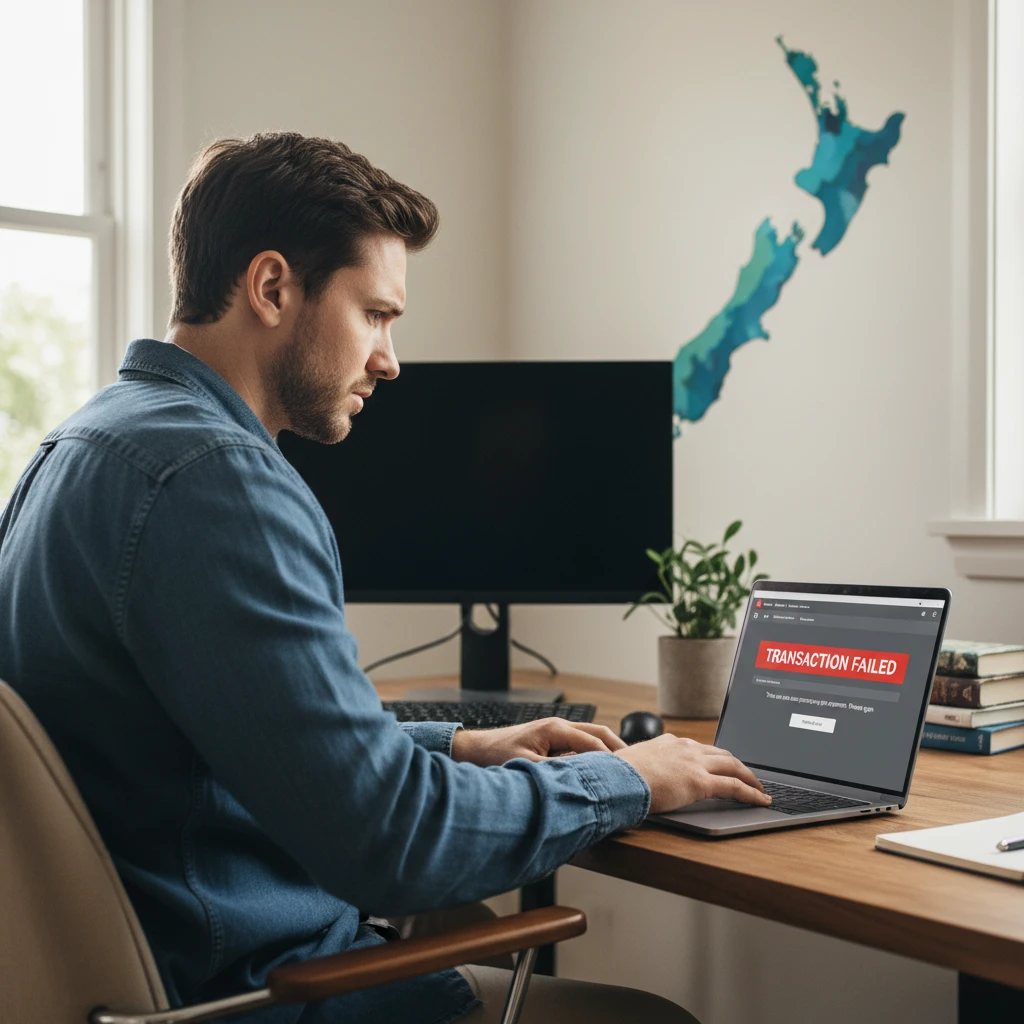
The Landscape of Domain Scams Targeting Kiwis
New Zealand’s trusted reputation often makes local domain owners complacent, but international scammers frequently target .nz and .co.nz holders. Understanding the specific methodologies used by fraudsters is the first line of defense.
The Appraisal Scam
This is the most prevalent scam in the industry. You receive an unsolicited email from a “buyer” offering a significant sum for your domain—often far above market value. When you respond, they agree to the price but require a “certified appraisal” from a specific agency to satisfy their investors or bank.
The catch? The appraisal agency is a fake site owned by the scammer. You pay $50 to $200 USD for the appraisal, send it to the buyer, and never hear from them again. The goal was never to buy the domain; it was to extract the appraisal fee.
The “Certificate of Ownership” Ploy
Similar to the appraisal scam, a buyer may claim they need a specific “Certificate of Ownership” or “Anti-Terrorism Clean Bill” before they can release funds. They will direct you to a fraudulent website to purchase this certificate. Legitimate domain transactions never require the seller to pay fees upfront for certificates or verification.
Phishing for Registrar Credentials
Some attackers pose as interested buyers who want to verify traffic stats or ownership. They might send a link to a file or a “verification tool” that is actually a phishing page designed to steal your login credentials for your registrar (e.g., Crazy Domains, GoDaddy, or local NZ registrars). Once they have access, they unlock the domain and transfer it out immediately.

The Absolute Necessity of Escrow Services
If there is one rule to follow when selling a domain privately, it is this: Never transact without Escrow.
An escrow service acts as a neutral third party. In a domain transaction, the process works as follows:
- Agreement: Buyer and Seller agree on a price.
- Funding: The Buyer transfers the funds to the Escrow service (not the seller).
- Verification: The Escrow service confirms they are holding the funds securely.
- Transfer: The Seller is notified to transfer the domain. The Seller provides the UDAI or pushes the domain to the Buyer.
- Inspection: The Buyer confirms receipt of the domain.
- Release: The Escrow service releases the funds to the Seller.
Why Standard Payment Methods Fail
Many sellers mistakenly believe that PayPal or direct bank transfers are safe. They are not.
- PayPal: Digital goods are notoriously difficult to defend in PayPal disputes. A buyer can claim unauthorized use of their account or that the item was not received. PayPal often favors the buyer, freezing the funds and reversing the transaction.
- Wire Transfers: While safer for the seller, buyers are often reluctant to wire money to a stranger before receiving the domain, creating a stalemate that kills the deal.
For international sales involving .nz domains, Escrow.com is the industry standard. For high-value transactions within New Zealand ($50,000+), utilizing a local law firm’s trust account is also a viable, albeit more expensive, option.

Protecting Your Personal Identity During Negotiations
When you list a domain for sale or respond to an inquiry, you are exposing yourself to potential social engineering. Protecting your identity is crucial until the deal is finalized.
WHOIS Privacy and the DNC
The Domain Name Commission (DNC) in New Zealand allows individual registrants to mask their contact details on the public WHOIS database. However, if you are registered as a business, your details are public. Before engaging in a private sale, ensure your WHOIS data is as minimized as legally possible to prevent the buyer from bypassing you to contact IT staff or partners directly.
Sanitize Your Digital Footprint
Create a dedicated email address for domain negotiations. Do not use your primary personal email or your main business executive email. This compartmentalization ensures that if the “buyer” is a scammer building a profile on you for identity theft, they only have a disposable contact point.
Secure Communication Channels and Red Flags
Where you communicate is just as important as what you say. Professional domain transactions should occur via email or established brokerage platforms where a paper trail exists.
Avoid Instant Messengers
Be wary of buyers who immediately want to move the conversation to WhatsApp, Telegram, or WeChat. Scammers prefer these encrypted, ephemeral platforms because they are harder to trace, and they can easily delete message history. Stick to email threads where headers and IP addresses can be scrutinized if necessary.
Verifying the Buyer
Before spending time negotiating, perform due diligence on the buyer:
- Email Domain: Are they emailing from a free account (Gmail/Hotmail) or a corporate domain? Corporate domains are generally more trustworthy, but verify the domain actually exists and redirects to a legitimate business.
- LinkedIn Cross-Reference: If they claim to represent a company, check their LinkedIn profile. Does it look established?
- Consistency: Do their location, IP address (if visible in email headers), and phone number area code align?
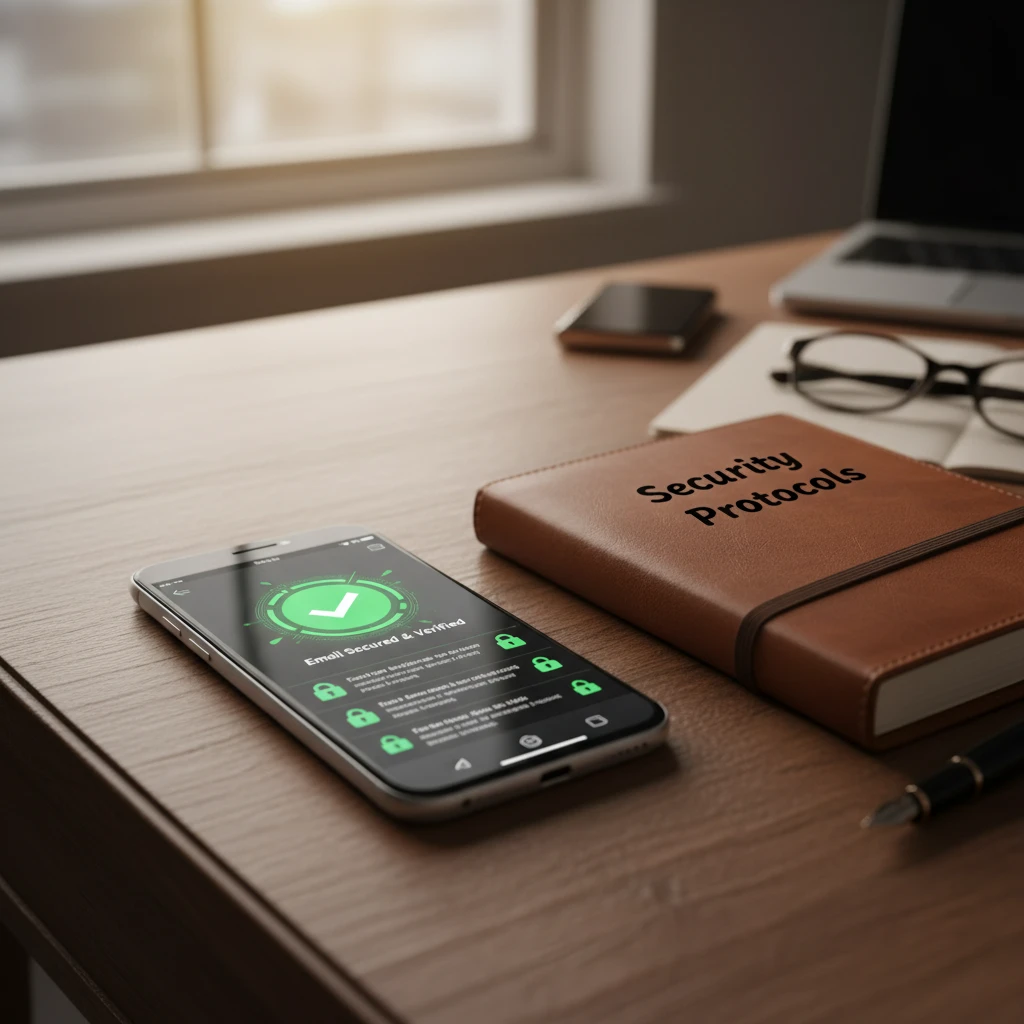
The Technical Transfer: Handling the UDAI Safely
In the New Zealand domain market, the UDAI (Unique Domain Authentication ID) is the key to the castle. This 8-character code authorizes the transfer of a domain from one registrar to another.
The Golden Rule of UDAI
Never share the UDAI until the Escrow service confirms funds are secured.
Once a buyer has the UDAI, they can initiate a transfer immediately. If they do this before paying, you have lost control of the asset. In a proper escrow transaction, the UDAI is the “item” you are delivering. You provide this code only after the “Funding” stage is complete.
Post-Transfer Hygiene
After the sale is complete and the domain has been transferred to the buyer, ensure you remove the domain from your registrar account entirely to prevent billing errors. Additionally, revoke any DNS hosting or email forwarding services associated with that domain to ensure a clean break.
Selling a domain privately in New Zealand can be a lucrative venture, stripping away broker fees and giving you full control over the negotiation. However, this freedom comes with the responsibility of defense. By strictly adhering to escrow protocols, validating buyers, and guarding your UDAI, you can navigate the secondary market safely and profitably.
People Also Ask
How do I sell a domain name safely in New Zealand?
To sell a domain safely in NZ, use a reputable escrow service like Escrow.com. Agree on a price, wait for the escrow service to verify they are holding the buyer’s funds, and only then release the UDAI (Unique Domain Authentication ID) to the buyer. This prevents non-payment and fraud.
What is the best escrow service for domain sales?
Escrow.com is widely considered the global standard for domain transactions due to its specific domain-holding capabilities. For very large transactions within New Zealand, using a solicitor’s trust account is also a highly secure, albeit more expensive, alternative.
Can I get scammed selling a domain name?
Yes, sellers are frequently targeted. Common scams include chargeback fraud (where a buyer reverses a PayPal payment after receiving the domain), appraisal scams (where you are tricked into paying for a fake valuation), and phishing attempts to steal your registrar login details.
What is a domain appraisal scam?
An appraisal scam occurs when a “buyer” contacts you offering a high price but insists you first get an appraisal from a specific website. That website is fake and owned by the scammer. Once you pay the fee for the appraisal, the buyer disappears.
How do I transfer a .nz domain ownership?
To transfer a .nz domain, you must generate a UDAI (Unique Domain Authentication ID) from your current registrar. You provide this code to the buyer. The buyer then enters this code at their registrar to initiate the transfer. Ownership changes once the transfer is processed.
Is it better to sell a domain privately or through a broker?
Selling privately saves you 10-20% in commission fees but requires you to handle all marketing, negotiation, and security. Using a broker is safer and often results in a higher sale price due to their network, but costs more. For high-value domains, brokers are generally recommended.
