

To buy domains in NZ, you must register through an authorized registrar accredited by the Domain Name Commission (DNC). Whether choosing the traditional .co.nz or the shorter .nz extension, securing a local domain is crucial for establishing New Zealand brand authority, improving local SEO rankings, and building consumer trust within the Kiwi market.
Overview of the New Zealand Domain Market
The digital landscape in Aotearoa is unique, governed by specific regulations and consumer behaviors that dictate the value of digital assets. When you set out to buy domains NZ, you are entering a mature market overseen by the InternetNZ group and regulated by the Domain Name Commission (DNC). Unlike generic top-level domains (gTLDs) like .com, New Zealand’s country code top-level domains (ccTLDs) offer distinct advantages in local search visibility and consumer trust.
For businesses targeting New Zealand customers, holding a local extension is not merely a branding choice; it is a fundamental SEO signal. Google and other search engines prioritize .nz and .co.nz extensions for search queries originating within New Zealand. This geographic targeting ensures that your content reaches the most relevant audience with high transactional intent.

The Role of the Domain Name Commission
Understanding the regulatory environment is critical before making a purchase. The DNC manages the .nz domain name space, ensuring fairness and stability. They handle dispute resolution services (DRS), which is vital for brand owners protecting their intellectual property. When you purchase a domain, you are technically licensing it subject to DNC policies. This structure provides a layer of security for investors and business owners, knowing there is a formal process for handling conflicts, such as cybersquatting.
Search Strategy: Choosing Between .co.nz and .nz
One of the most common dilemmas for investors and businesses is selecting the right extension. Historically, .co.nz has been the standard for commercial entities, carrying decades of trust and recognition. However, the introduction of the shorter, sharper .nz extension has shifted the market dynamics.
The Authority of .co.nz
The .co.nz extension is synonymous with established business in New Zealand. It is often the first variation a user will type when looking for a local company. From a psychological standpoint, it conveys longevity and stability. For SEO, it remains a powerhouse. If your primary goal is to capture traditional commercial traffic, securing the .co.nz version of your brand name is non-negotiable.
The Modern Appeal of .nz
The direct .nz extension allows for shorter URLs, which are advantageous for social media marketing, offline advertising (billboards/print), and mobile typing ease. It is seen as modern and innovative. Many forward-thinking tech companies and startups prefer .nz for its minimalist aesthetic.
Strategic Advice: If budget permits, the gold standard strategy is to buy both. Host your primary site on one (usually .co.nz for traditional businesses or .nz for modern brands) and 301 redirect the other to the main site. This defensive registration prevents competitors from capitalizing on your brand equity and captures traffic regardless of which extension the user remembers.
How to Buy Domains NZ: A Step-by-Step Guide
Acquiring a domain in New Zealand is a straightforward process, but executing it correctly requires attention to detail regarding registrar selection and ownership data.

1. Select an Authorized Registrar
You cannot buy a domain directly from the registry; you must use a registrar. New Zealand has numerous authorized registrars. Prices vary, but so do value-added services like DNS management, email hosting, and customer support. Look for registrars with a strong track record of uptime and security. Avoid registrars that hide hidden renewal fees.
2. Check Availability and Variants
Use the registrar’s search tool to check your desired keyword. If the exact match is taken, the tool will often suggest variations. Be cautious with hyphens or creative misspellings, as these can dilute brand authority and lead to traffic leakage (where users accidentally visit the correctly spelled competitor site).
3. Complete the Registration and WHOIS Data
During checkout, you will be asked to provide registrant contact details. This information is published in the WHOIS database.
- Individual Registrants: If you are an individual not trading as a business, you can opt for the Individual Registrant Privacy Option (IRPO) to hide your address and phone number from the public query service.
- Business Registrants: Commercial entities generally must have their contact details public to establish transparency and trust.
Featured Premium Listings and Auctions
The primary market (registering new names) is only half the story. The secondary market is where high-value, generic, and short domains are traded. If the domain you want is already taken, it may be available for purchase through the aftermarket.
Understanding the Aftermarket
Premium domains are previously registered names that are now up for sale, often at a price significantly higher than the standard registration fee. These domains often have:
- Age Authority: Older domains may carry existing backlink profiles and SEO history.
- Keyword Relevance: Generic terms (e.g., insurance.co.nz or loans.nz) command high prices due to their direct traffic potential.
- Memorability: Short, pronounceable names are high-value assets.
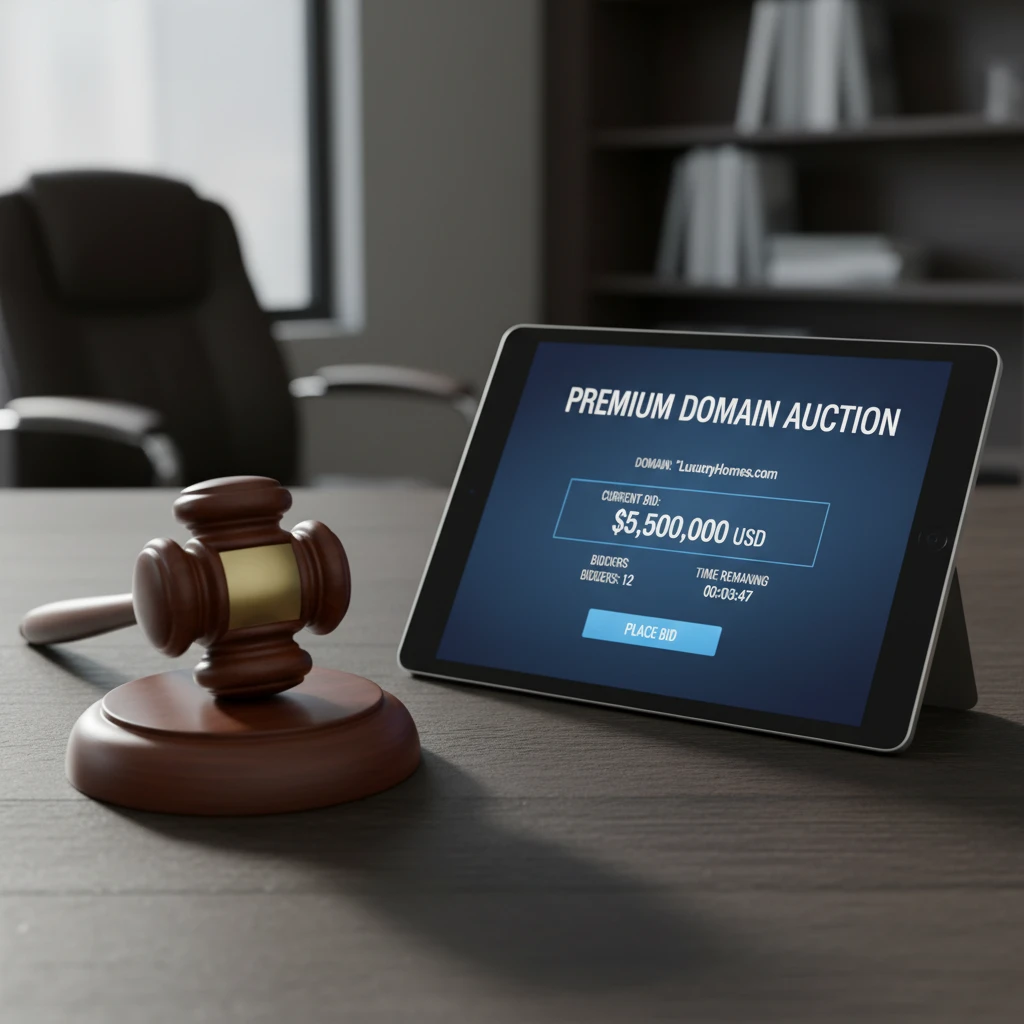
Navigating Domain Auctions
Platforms like Trade Me or specialized domain brokerages often host auctions for expired or premium NZ domains. When participating in an auction to buy domains NZ investors covet, due diligence is essential. Check the domain’s history using the Wayback Machine to ensure it wasn’t previously used for spam or illicit activities, which could result in a Google penalty that carries over to the new owner.
Resources for SMEs, Investors, and Marketers
Different stakeholders approach the domain market with different objectives. Here is how to maximize value based on your role.
For Small and Medium Enterprises (SMEs)
Your domain is your digital storefront. SMEs should prioritize brand protection. Beyond the .co.nz and .nz, consider registering common misspellings to redirect to your main site. Ensure your domain auto-renew is turned on; losing a domain due to an expired credit card can be catastrophic for business continuity.
For Domain Investors
“Domain flipping” in the NZ market requires patience and local knowledge. The market is smaller than the .com market, meaning liquidity is lower. However, ROI can be substantial for high-quality names. Focus on sectors with high growth in New Zealand, such as fintech, agritech, and tourism. Look for “geo-domains” (Service + City, e.g., PlumberWellington.co.nz) as these are perpetually in demand by local service businesses.
For Digital Marketers
Marketers often buy domains for specific campaigns or microsites. While this can be effective, avoid diluting your main site’s authority. It is often better to use a subdirectory (site.co.nz/campaign) than a new domain. However, exact-match domains (EMDs) can still be effective for Pay-Per-Click (PPC) landing pages, increasing Quality Score by matching the display URL to the user’s search query.
Latest Market Trends: Local Extensions and Valuation
The New Zealand domain market is evolving alongside global digital trends. Understanding these shifts helps in accurately valuing assets.
Voice Search and Domain Length
With the rise of voice assistants (Siri, Alexa), domain pronounceability is becoming a valuation metric. A domain that is easy to say and understand without spelling it out (“buy domains NZ” vs “buy-domains-nz.co.nz”) is increasingly valuable. This trend favors the shorter .nz extension and concise brand names over long-tail keyword domains.

Vertical-Specific Growth
We are seeing a surge in registrations related to Māori business and culture, as well as eco-friendly and sustainable industries. Domains reflecting these values are seeing increased demand. Furthermore, the .iwi.nz extension (restricted to traditional Māori tribes) continues to hold immense cultural significance and specific governance, highlighting the diverse nature of the NZ namespace.
In conclusion, the decision to buy domains NZ is a strategic investment in your digital identity within a trusted, regulated, and high-value ecosystem. Whether securing a brand name or investing in premium keywords, success lies in understanding the nuances of the .co.nz vs .nz choice and leveraging the authority of the local registry.
People Also Ask
Can anyone buy a .nz domain?
Yes, generally anyone can purchase a .nz or .co.nz domain; there are no local presence requirements for these open extensions. However, specific second-level domains like .govt.nz (government), .edu.nz (educational institutions), and .iwi.nz (Māori tribes) have strict moderation and eligibility criteria that must be met prior to registration.
How much does it cost to buy a domain in NZ?
The cost varies depending on the registrar you choose. typically, a standard .co.nz or .nz domain registration fee ranges from $20 to $50 NZD per year. Premium domains purchased on the secondary market can cost anywhere from a few hundred dollars to tens of thousands depending on their commercial value and keyword relevance.
Is .co.nz better than .nz?
.co.nz is the traditional standard and is widely trusted by the New Zealand public, making it excellent for established businesses. The .nz extension is shorter, more modern, and better for mobile use. Ideally, businesses should register both to protect their brand and capture all potential traffic.
How do I find out who owns a NZ domain?
You can determine the owner of a New Zealand domain by performing a WHOIS query on the Domain Name Commission (DNC) website or through most registrar websites. Note that if the registrant is an individual who has opted for privacy, their personal contact details will be redacted from the public record.
What happens if my NZ domain expires?
If a domain expires, it enters a grace period (usually 90 days) where the original owner can still renew it. If it is not renewed by the end of this cycle, the domain is released back to the public pool and becomes available for anyone to register on a first-come, first-served basis.
Can I buy a domain that is already taken?
Yes, but you must negotiate with the current owner. You can contact them via the details found in the WHOIS database or use a domain broker to negotiate on your behalf. If the domain is not currently in use, the owner might be willing to sell it for a premium price.
