

To list a domain for sale effectively, first appraise its value based on keywords and SEO history. Then, register with major marketplaces like Sedo, Afternic, and local platforms like Trade Me. Finally, configure a dedicated “For Sale” landing page and write a benefit-driven description to attract serious buyers and close the deal fast.
In the competitive world of digital real estate, simply owning a premium URL is not enough. You must actively market your asset to realize its full potential. Whether you are holding a premium .co.nz address or a catchy .nz brandable, the way you list a domain for sale determines the speed of the transaction and the final sale price. This guide explores the strategic nuances of the New Zealand domain resale market, ensuring your digital assets stand out in a crowded marketplace.
The Anatomy of a Perfect Domain Sales Landing Page
When a potential buyer types your domain name directly into their browser, what do they see? If the answer is a browser error or a generic registrar parking page filled with spammy links, you are leaving money on the table. This direct traffic is your highest-converting audience.
To list a domain for sale successfully, you must treat the domain itself as the primary advertisement. A dedicated sales landing page acts as your 24/7 salesperson.
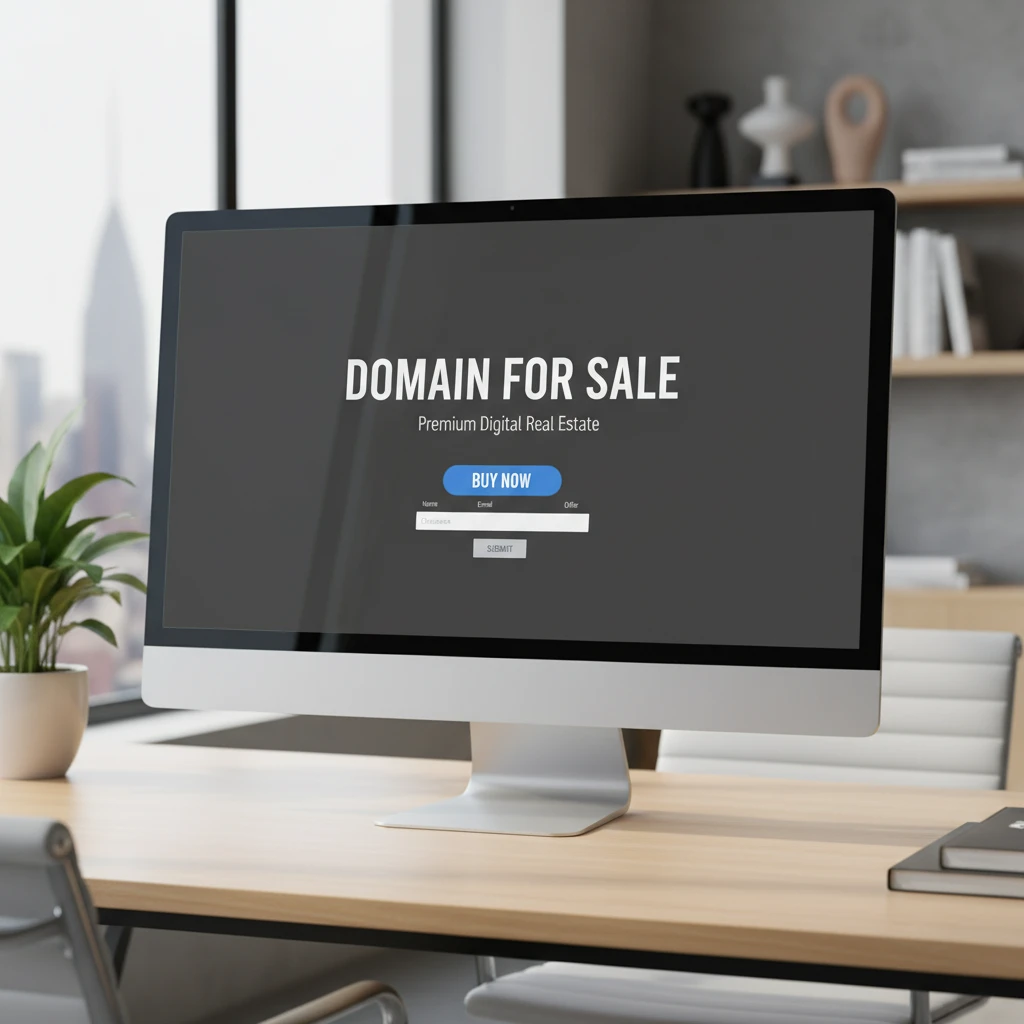
The “Buy Now” vs. “Make Offer” Dilemma
The structure of your landing page sets the negotiation tone. There are generally two schools of thought:
- Fixed Price (Buy Now): This removes friction. If you have a mid-range domain (e.g., $500 – $2,500 NZD), a fixed price often leads to an impulse purchase. It signals transparency and expedites the process.
- Make Offer: For high-value, premium keywords (e.g., single-word dictionary terms), hiding the price can encourage higher bids from corporate buyers with large budgets. However, it can also scare away smaller investors who fear the price is out of reach.
Technical Setup for Landing Pages
You don’t need to be a web developer to set this up. Most major marketplaces offer “For Sale” landers. You simply point your nameservers (DNS) to the marketplace (e.g., ns1.sedoparking.com). This ensures that anyone visiting the URL immediately knows it is available and sees a trusted interface to complete the transaction.
Writing Compelling Descriptions for Trade Me
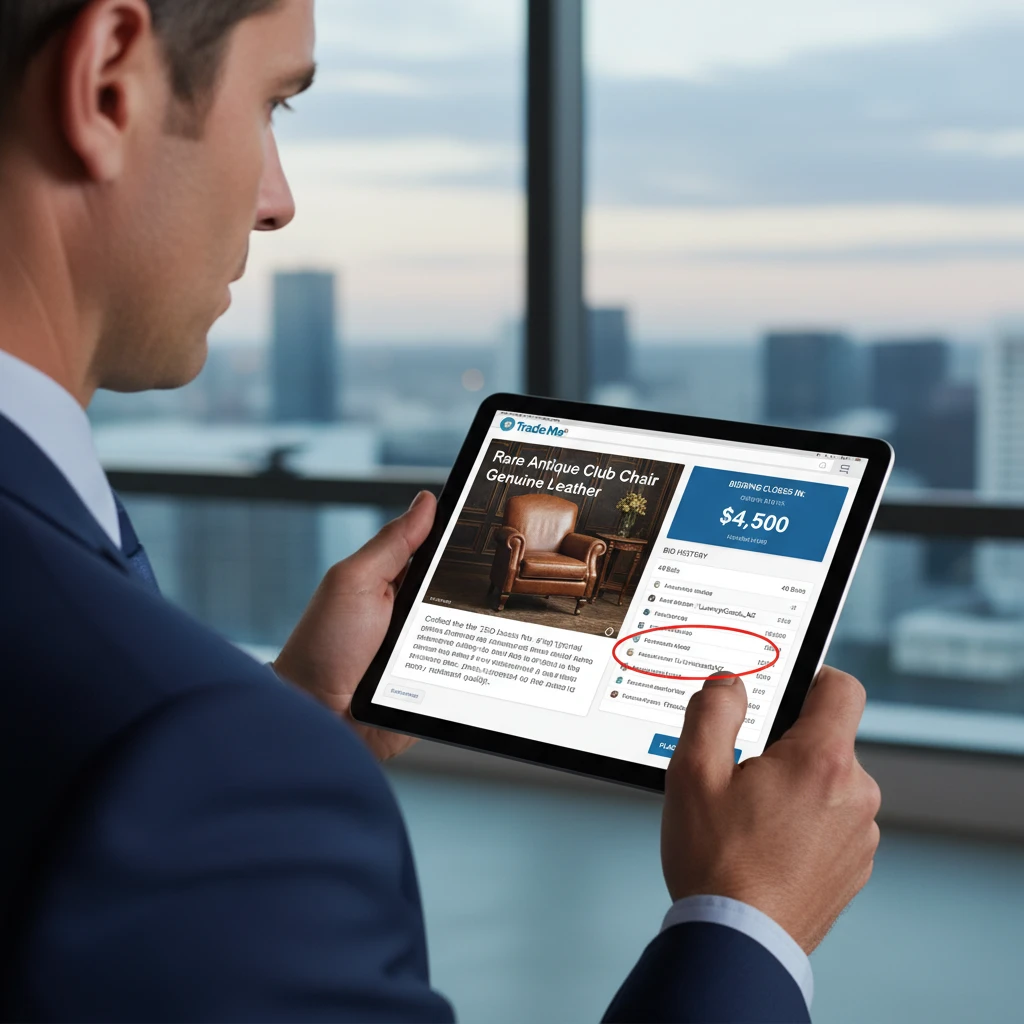
In New Zealand, Trade Me is a unique ecosystem. Unlike global platforms where brevity is key, Trade Me buyers often appreciate context. When you list a domain for sale on Trade Me, you are marketing to local business owners, not just domain investors.
Headline Optimization
Your listing title is the most critical element. Avoid generic titles like “Domain for sale.” Instead, use the title to highlight the niche and potential use case.
Bad: “bestplumbers.co.nz for sale”
Good: “PREMIUM Plumbing Domain: BestPlumbers.co.nz – Dominate Auckland Search Results”
The Description: Sell the Dream, Not the Letters
Business owners aren’t buying a string of characters; they are buying a brand and a traffic source. Your description should answer the question: “How will this domain make me money?”
Structure your description using the following points:
- Authority: Explain why the name sounds professional (e.g., “Short, easy to spell, and passes the radio test”).
- Industry Relevance: “Perfect for a start-up plumbing firm or an established company looking to rebrand.”
- Local Focus: Emphasize the .co.nz or .nz extension as the gold standard for New Zealand trust.
- Scarcity: Remind them that once it’s sold, it’s gone forever.
Highlighting SEO Value and History
A domain with history is infinitely more valuable than a fresh registration. If you are selling an aged domain, you must highlight its SEO metrics. This justifies a higher price point and appeals to savvy digital marketers.
Key Metrics to Include
When you draft your listing, use tools like Ahrefs, Moz, or SEMrush to gather data. Explicitly list these metrics:
- Domain Age: Older domains are often viewed as more trustworthy by search engines. If your domain was registered in 2005, shout about it.
- Backlink Profile: Does the domain have existing links from reputable NZ news sites (Stuff, NZ Herald) or government bodies? These are incredibly difficult to earn and add immense value.
- Domain Authority (DA) / Domain Rating (DR): A quantitative score that predicts ranking potential.
Addressing the “Clean” History
Conversely, if the domain has been dropped or has a spammy history, you need to be careful. Ideally, you want to market the domain as having a “Clean History,” meaning it hasn’t been used for gambling or adult content, which could trigger Google penalties. Transparency builds trust.
Visuals: Do You Need a Logo for a Domain Sale?
Domain names are intangible assets. This makes them hard to visualize for the average buyer. Adding a visual element can bridge the gap between a raw URL and a realized brand.
The Power of a Mockup
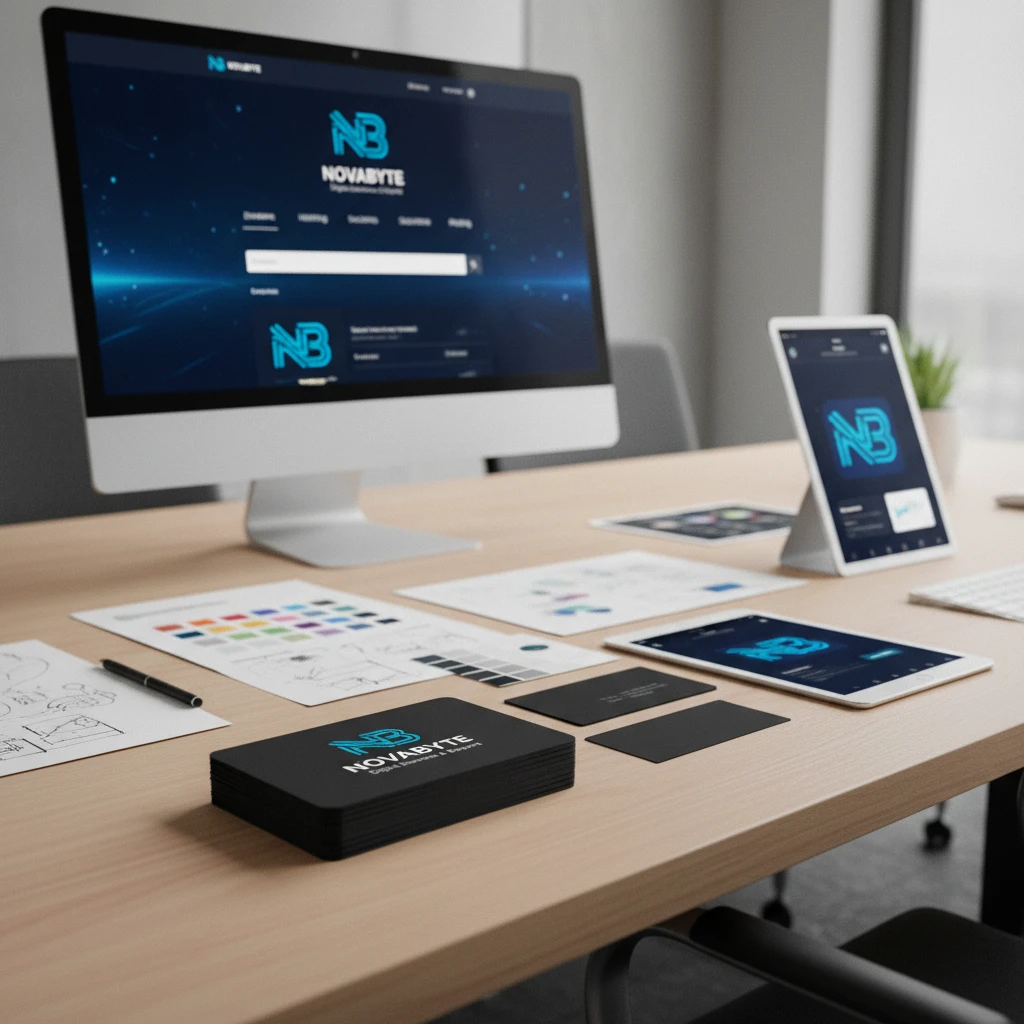
You do not need to hire a professional agency, but creating a simple, clean logo can increase the perceived value of your listing. It helps the buyer imagine the domain on a business card or a shop front.
Tools to Use
Use tools like Canva or AI logo generators to create a placeholder brand. When you list a domain for sale, include an image of the logo with the text: “Free logo concept included with purchase.” This value-add can be the tipping point for a buyer comparing your domain to a competitor’s.
Cross-Posting Strategies for Maximum Reach
Relying on a single marketplace is a recipe for slow sales. To maximize exposure, you need a multi-channel approach. This is known as “syndication” in the domain industry.
The “Big Three” Global Networks
Even if you are selling a New Zealand specific domain, international companies often buy into the NZ market. Ensure your domain is listed on:
- Afternic: Owned by GoDaddy. Listing here puts your domain in front of millions of customers searching on GoDaddy and partner registrars.
- Sedo: The largest European marketplace, excellent for reaching international investors.
- Dan.com: Known for its clean, high-converting landing pages and “lease-to-own” options.
Local NZ Channels
Beyond Trade Me, consider niche forums. Geekzone is a popular NZ tech forum with a dedicated “Buy/Sell/Trade” section. However, ensure you follow their community rules strictly. LinkedIn is also a powerful tool; posting about a specialized B2B domain (e.g., “LogisticsNZ.co.nz”) and tagging relevant industry leaders can result in a private sale without commission fees.

Navigating the NZ Transfer Process (UDAI)
Nothing kills a deal faster than a seller who doesn’t know how to transfer the asset. In New Zealand, the domain transfer process revolves around the UDAI (Unique Domain Authentication ID).
What is a UDAI?
The UDAI is an 8-character password unique to your domain. As a seller, you must generate this via your registrar (e.g., Crazy Domains, Metaname, 1st Domains) and provide it to the buyer ONLY after funds have been secured.
Escrow is Essential
For transactions over $500, never send the UDAI before receiving payment. Use a service like Escrow.com or Payoneer Escrow. These services hold the buyer’s money and only release it to you once the buyer confirms they have control of the domain. This protects both parties from fraud.
Frequently Asked Questions
Where is the best place to list a domain for sale in New Zealand?
For New Zealand specifically, Trade Me is excellent for reaching local business owners. However, for maximum exposure, you should also list on Afternic (which syndicates to GoDaddy) and Sedo to reach international buyers entering the NZ market.
How much does it cost to list a domain for sale?
Listing costs vary. Trade Me charges a listing fee plus a success fee. Platforms like Dan.com, Sedo, and Afternic are generally free to list but take a commission (usually between 10% and 20%) upon a successful sale.
How do I write a good domain description?
Focus on the benefits. Highlight the domain’s age, keyword relevance, ease of spelling, and branding potential. If it is a .nz domain, emphasize the trust and local authority associated with the extension.
What is a UDAI code?
A UDAI (Unique Domain Authentication ID) is a password required to transfer a .nz domain from one registrar to another. As a seller, you must provide this code to the buyer to finalize the transfer.
Should I put a price on my domain or ask for offers?
If the domain is worth under $2,500, a fixed “Buy Now” price usually results in a faster sale. For ultra-premium, high-value domains, a “Make Offer” strategy allows you to negotiate higher prices with corporate buyers.
Can I sell a domain I just bought?
Yes, but some registrars impose a 60-day transfer lock on newly registered domains (ICANN policy). However, .nz domains generally do not have this 60-day lock, allowing for faster flipping within the local market.
