

To sell a domain for Bitcoin or cryptocurrency, you must utilize a domain marketplace that supports blockchain integration, such as Dan.com or Sedo, or facilitate a peer-to-peer transaction using a crypto-specialized escrow service. For New Zealand domain holders, this process involves securing a digital wallet, agreeing on a valuation in crypto assets (like BTC or USDT), and transferring the .nz domain UDAI code only after the transaction is verified on the blockchain.
The Intersection of Domains and Crypto
The digital landscape is evolving rapidly, and the convergence of digital real estate (domain names) and digital currency (cryptocurrency) is a natural progression. For investors in the New Zealand secondary market, the ability to sell a domain for Bitcoin represents a significant opportunity to tap into a global liquidity pool that operates outside the friction of traditional banking systems.
Domain names, particularly premium .nz, .co.nz, and generic top-level domains (gTLDs), are increasingly viewed as store-of-value assets, much like Bitcoin itself. When you open your listing to cryptocurrency payments, you are not just offering a payment method; you are signaling sophistication to a tech-savvy demographic of buyers who prefer the speed, finality, and borderless nature of blockchain transactions.

However, navigating this space requires a shift in mindset from traditional fiat transactions. You are dealing with immutable ledgers, potential volatility, and specific regulatory environments. This guide serves as the definitive resource for New Zealand domainers looking to monetize their portfolios using cryptocurrency.
Pros and Cons of Accepting Crypto Payments
Before listing your assets, it is crucial to weigh the advantages against the inherent risks of the crypto market. While the allure of “digital gold” is strong, professional domain investors must approach this with a risk-management strategy.
The Advantages (Pros)
- Global Reach and Accessibility: Traditional bank wires can take days and incur high fees, especially for international buyers interested in your NZ domains. Crypto allows a buyer in Europe to pay a seller in Wellington in minutes, 24/7/365.
- Irreversible Transactions: Chargebacks are a common plague in digital goods sales. Bitcoin transactions are immutable. Once the network confirms the transfer, the funds are yours. This eliminates the risk of “friendly fraud” via credit cards or PayPal.
- Lower Transaction Fees: Depending on the network used (e.g., Bitcoin Lightning Network, Litecoin, or USDT on Tron), fees can be negligible compared to the 3-5% often charged by credit card processors or the flat fees of international wires.
- Appreciation Potential: If you hold the proceeds in Bitcoin or Ethereum, there is potential for capital appreciation. A $5,000 domain sale could turn into $6,000 worth of assets if the market moves in your favor (though the reverse is also true).
The Disadvantages (Cons)
- Price Volatility: This is the most significant risk. If you agree to sell a domain for 0.5 BTC, and the price of Bitcoin drops by 10% during the escrow process, you have effectively lost 10% of your sale price. Solution: Many sellers opt for Stablecoins (USDT or USDC) to mitigate this.
- Technical Complexity: Setting up a wallet and ensuring the address is correct is vital. One wrong character in a wallet address results in the permanent loss of funds.
- Regulatory Scrutiny: As discussed later, the Inland Revenue Department (IRD) in New Zealand has specific views on crypto assets, requiring diligent record-keeping.

Top Platforms to Sell Domains for Bitcoin
You do not need to be a blockchain developer to accept crypto. Several leading domain marketplaces have integrated these payment rails directly into their checkout flows. Using these intermediaries is highly recommended for security.
1. Dan.com
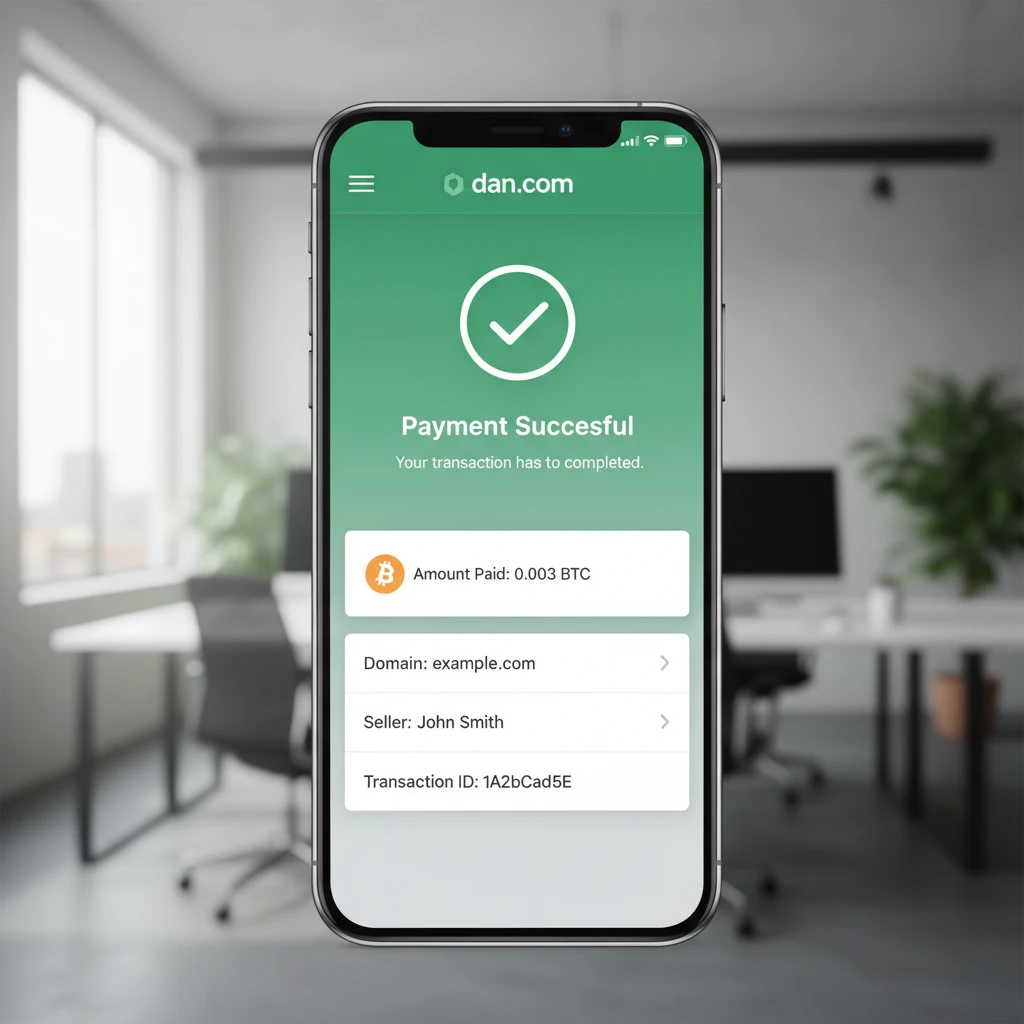
Dan.com is widely considered the most innovative marketplace for domain sales and has robust support for cryptocurrency. They have partnered with crypto-payment processors to allow buyers to pay in Bitcoin (BTC), Bitcoin Cash (BCH), and Ethereum (ETH).
How it works: You list your domain as usual. When a buyer selects crypto at checkout, the platform handles the conversion and escrow. Dan.com ensures the funds are secured before instructing you to transfer the domain. This is the safest method for beginners.
2. Sedo
As one of the oldest marketplaces, Sedo also facilitates crypto transactions, though often through their brokerage service for higher-value domains. If you are negotiating a high-five-figure sale for a premium .co.nz domain, Sedo’s brokerage team can arrange a secure crypto transaction via a partner escrow service.
3. Escrow.com (via Partners)
While Escrow.com is the gold standard for fiat, they have had varying levels of direct crypto support over the years. However, they frequently partner with licensed crypto-exchange brokerages to facilitate large transactions. For a pure crypto experience, many domainers are turning to crypto-native escrow services, though due diligence is required to ensure these platforms are reputable.
4. Peer-to-Peer (P2P) Direct Sales
If you are selling directly to a buyer without a marketplace, you save on commission fees (which can range from 10% to 20%). However, trust is the issue. In this scenario, never transfer the domain before the funds have at least 3-6 confirmations on the blockchain.
Step-by-Step: Executing the Sale
To successfully sell a domain for Bitcoin, you need a streamlined workflow. Here is the professional approach.
Step 1: Valuation and Listing
Determine your price in Fiat (NZD or USD). When listing, indicate that you accept crypto. If negotiating privately, agree on a fiat value that will be converted to crypto at the exact moment of the transaction to avoid exchange rate disputes.
Step 2: The Agreement
Draft a simple sales agreement. Even if paying in crypto, a contract protects both parties. Specify the wallet address for payment and the domain UDAI (Unique Domain Authentication ID) transfer timeline.
Step 3: The Transaction
Provide your public wallet address to the buyer. Tip: Send a small test transaction first if it is a large amount, or use a QR code to avoid typing errors. Wait for network confirmation. In Bitcoin, wait for at least 3 confirmations (approx. 30 minutes) before considering the funds settled.
Step 4: Transferring the Domain
Once funds are secured in your wallet (not just pending), log in to your registrar (e.g., Godaddy, Crazy Domains, Metaname) and unlock the domain. Generate the UDAI (auth code) and send it to the buyer. Once they initiate the transfer, the domain leaves your control.
New Zealand Tax Implications for Crypto Income
This is a critical section for NZ residents. The Inland Revenue Department (IRD) has provided clear guidance: cryptocurrency is generally treated as property, and income generated from it is taxable.
Income vs. Capital Gains
New Zealand does not have a comprehensive capital gains tax, but it does tax income from “profit-making schemes.” If you are in the business of buying and selling domains (a domainer), the proceeds from a sale are taxable income, regardless of whether you are paid in NZD, USD, or Bitcoin.
When you receive Bitcoin for a domain, you must record the value of that Bitcoin in NZD at the time of receipt. This is your taxable income figure.
GST Considerations
If you are GST registered in New Zealand, selling a domain to another NZ resident attracts GST. If you are paid in crypto, the GST portion must still be calculated in NZD and paid to the IRD in fiat. This can create a cash flow issue if you hold the crypto and its value drops. Always calculate the GST component immediately upon sale.
Holding the Crypto
If you decide to hold the Bitcoin you received, and it increases in value, you *might* be liable for tax on that increase when you eventually sell the Bitcoin for NZD, depending on your intent. If you acquired the Bitcoin with the intent to sell it for a profit, the gains are taxable. Consult a qualified NZ accountant to navigate these specific rules.

Wallet Security: Protecting Your Assets
“Not your keys, not your coins.” When you sell a domain for Bitcoin, you become your own bank. Security is paramount.
Hot Wallets vs. Cold Wallets
Hot Wallets (Software): These are connected to the internet (e.g., Exodus, MetaMask, Exchange wallets). They are convenient for quick transactions but are vulnerable to hacks. Use these only for receiving the funds temporarily.
Cold Wallets (Hardware): Devices like Ledger or Trezor store your private keys offline. If you are selling a high-value domain (e.g., $10k+), immediately move the funds to a cold wallet. This makes it impossible for hackers to steal your funds remotely.
The Dangers of Exchange Wallets
Avoid having buyers send funds directly to an exchange account (like Binance or EasyCrypto). If the exchange flags the transaction for AML (Anti-Money Laundering) checks, your funds could be frozen. Always receive into a private wallet first, where you control the keys.
Seed Phrase Security
When you create a wallet, you get a 12 or 24-word seed phrase. Write this down on paper and store it in a fireproof safe. Never store it digitally, never take a photo of it, and never share it with anyone. If you lose this phrase, your crypto is gone forever.
Conclusion
Selling domains for Bitcoin in the New Zealand market offers a competitive edge, faster settlements, and access to a modern liquidity pool. By utilizing trusted platforms like Dan.com, understanding the strict security protocols of wallet management, and adhering to IRD tax obligations, you can safely integrate cryptocurrency into your domain investing strategy. As the secondary market for .nz domains matures, those who adapt to these new payment technologies will likely find themselves ahead of the curve.
Is it legal to sell a domain for Bitcoin in New Zealand?
Yes, it is entirely legal to exchange a domain name for Bitcoin or any other cryptocurrency in New Zealand. It is treated as a barter transaction or a sale of property. However, both parties must adhere to standard contract laws, and the seller must comply with tax obligations regarding the income generated.
Do I have to pay tax on Bitcoin received from a domain sale?
Yes. In New Zealand, the value of the Bitcoin at the time of the transaction is considered income (if you are a trader) or potentially a taxable gain. You must convert the value to NZD for your tax return. If you hold the Bitcoin and it increases in value, subsequent gains may also be taxable depending on your intent.
Which crypto should I accept for domain sales?
Bitcoin (BTC) and Ethereum (ETH) are the industry standards due to their liquidity and trust. However, to avoid volatility, many sellers prefer Stablecoins like USDT (Tether) or USDC (USD Coin), which are pegged to the US Dollar and do not fluctuate in value during the transaction process.
Can I use Escrow.com for crypto transactions?
Escrow.com has partnered with specific brokerages to facilitate crypto transactions for high-value domains. However, for standard users, they primarily deal in fiat currency. You may need to use a specialized crypto-escrow service or a marketplace like Dan.com that handles the crypto conversion on the backend.
What happens if I send the domain but don’t receive the Bitcoin?
If you send the domain UDAI (transfer code) before the Bitcoin transaction is confirmed on the blockchain, you are at high risk. Bitcoin transactions are irreversible, but domain transfers can be difficult to reverse without legal intervention. Always wait for 3-6 blockchain confirmations before releasing the domain.
How do I price my domain in Bitcoin?
Because Bitcoin’s price fluctuates, it is best to price your domain in a fiat currency (e.g., $5,000 NZD) and state that the Bitcoin amount will be calculated at the moment of sale based on the current exchange rate. This protects you from a sudden drop in Bitcoin’s value while the deal is being negotiated.
