


The NZ Escrow Process Explained
How NZ domain escrow works involves a neutral third party holding the buyer’s funds in a secure trust account until the .nz domain transfer is verified. The process requires the seller to provide a valid UDAI (Unique Domain Authentication ID), ensuring the buyer gains full control of the domain before the seller receives the agreed payment in New Zealand Dollars.
Buying or selling a premium .nz domain name is a significant digital asset transaction. Whether you are acquiring a short generic term for a new startup or selling a legacy domain portfolio, the financial risks are real. Without a structured process, buyers risk losing money to non-delivery, and sellers risk transferring valuable assets without receiving payment. This is where the New Zealand domain escrow process becomes vital.
In the specific context of the New Zealand market, escrow services bridge the gap between trust and technical execution. Unlike generic international transfers, .nz domains utilize a specific authorization key known as the UDAI. Understanding how this fits into the financial settlement process is crucial for a smooth transaction.
What is NZ Domain Escrow?
NZ domain escrow is a financial and legal arrangement designed to secure the exchange of New Zealand-specific domain names (such as .co.nz, .nz, .org.nz) for capital. It acts as a safety net, ensuring that neither the buyer nor the seller can defraud the other. In a standard transaction, there is a fundamental disconnect: the buyer does not want to send money before receiving the domain, and the seller does not want to transfer the domain before receiving the money.
An escrow service solves this by introducing a trusted third party. This agent holds the funds in a secure trust account—often regulated by New Zealand financial laws—and only releases them once the specific conditions of the domain transfer are met. For .nz domains, this verification is tightly coupled with the registry’s technical protocols managed by the Domain Name Commission (DNC).
Step 1: Agreement Phase and Fund Deposit in NZD
The process begins with the Agreement Phase. This is more than just a handshake; it is the establishment of the terms of sale. In a professional escrow environment, both parties must agree to the price, the specific domain name(s) involved, and the timeline for the transfer.
Establishing the Terms
The buyer and seller initiate a transaction on the escrow platform. Key details entered include:
- The Domain Name: Ensuring the exact spelling and extension (e.g., business.co.nz vs business.nz).
- The Sale Price: Usually denominated in New Zealand Dollars (NZD) to avoid foreign exchange volatility and fees.
- Commission Payment: Determining who pays the escrow fee (buyer, seller, or split 50/50).
- Inspection Period: The number of days the buyer has to verify the domain after transfer.
KYC and AML Compliance
New Zealand has strict Anti-Money Laundering (AML) and Know Your Customer (KYC) laws. A reputable NZ-focused escrow service will require identity verification at this stage. This might involve uploading a driver’s license or passport. While this adds a step, it significantly increases the safety of the transaction, ensuring you are not dealing with fraudulent entities.
Securing the Funds
Once terms are agreed upon, the buyer submits payment to the escrow service. For local transactions, this is typically done via bank transfer to an NZ trust account. Using local banking infrastructure ensures that funds clear faster than international wires (SWIFT) and avoids the “intermediary bank fees” often associated with USD transactions. The escrow service verifies the receipt of funds and notifies the seller that the money is secured. Crucially, the seller is instructed NOT to transfer the domain until this notification is received.
Step 2: Domain Transfer Authorization (UDAI)
Once the funds are secured, the technical phase begins. For New Zealand domains, this revolves entirely around the UDAI (Unique Domain Authentication ID).
Understanding the UDAI
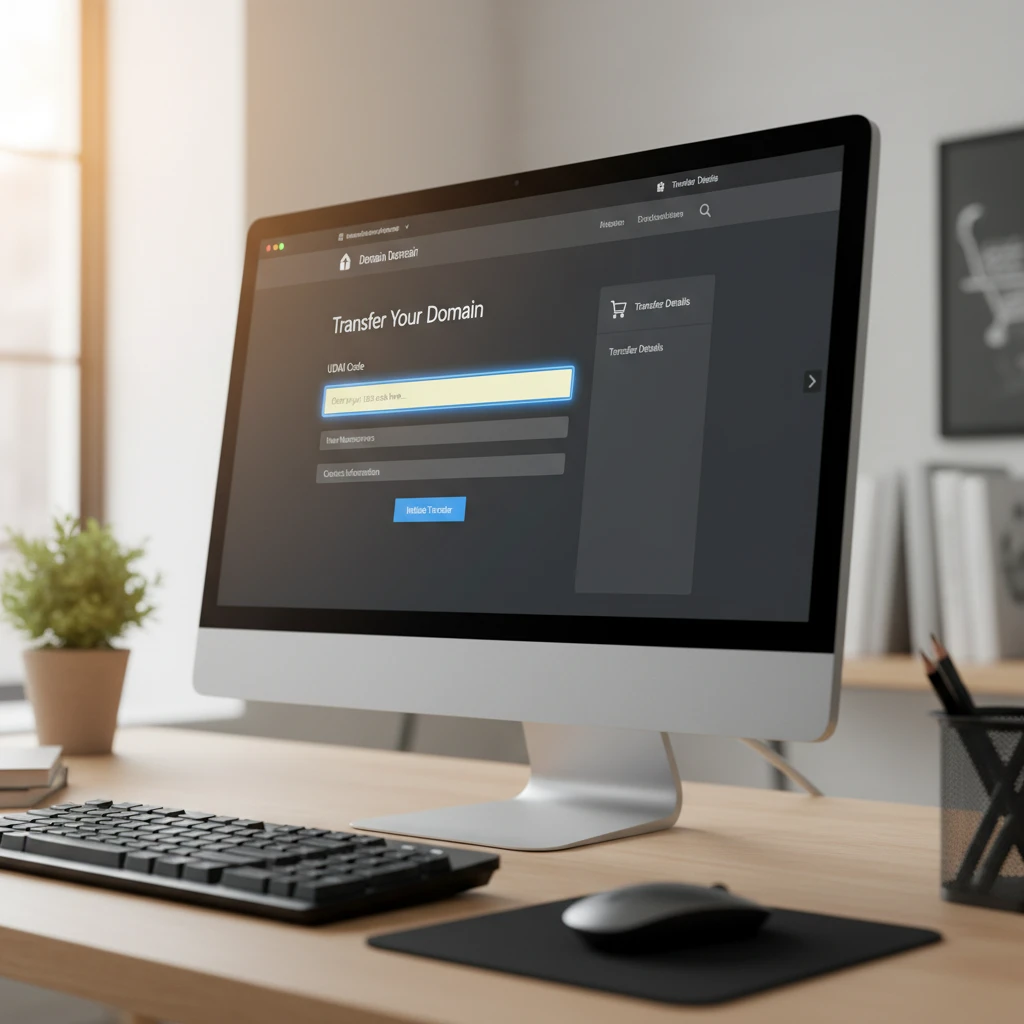
Unlike some international domains that use “EPP codes” or “Auth codes,” .nz domains use a UDAI. This is an 8-character password unique to the domain name. It is generated by the current registrar and is required to authorize any transfer of the domain to a new registrar or a new registrant.
The Transfer Process
The seller must log in to their current registrar account (e.g., GoDaddy, Crazy Domains, or a local NZ registrar like Metaname or 1st Domains) and request the UDAI. The seller then provides this code to the buyer. In some automated escrow systems, the seller enters the UDAI directly into the escrow platform, which then relays it to the buyer securely.
Steps for the Seller:
- Login to the registrar account.
- Unlock the domain (remove “Client Transfer Prohibited” status).
- Generate/View the UDAI.
- Send the UDAI to the buyer (or escrow agent).
Steps for the Buyer:
- Receive the UDAI.
- Log in to their preferred registrar.
- Initiate a “Transfer In” request using the domain name and the UDAI.
It is important to note that a UDAI is valid for 30 days. If the transaction drags on, a new code may need to be generated. Furthermore, the UDAI grants immediate power to transfer the domain, so sellers must never reveal this code until the escrow service confirms funds are secured.
Step 3: Inspection Period for the Buyer
After the buyer initiates the transfer using the UDAI, the domain moves from the seller’s registrar to the buyer’s registrar. In the .nz namespace, this transfer is often near-instantaneous, though it can sometimes take a few hours depending on the registrars involved. Once the domain lands in the buyer’s account, the “Inspection Period” begins.
What is the Inspection Period?
The inspection period is a pre-agreed timeframe (usually 1 to 5 days) during which the buyer verifies that the domain is exactly what they paid for. This is the buyer’s opportunity to ensure full control has been established and that there are no hidden encumbrances.
Verification Checklist
During this phase, the buyer should verify the following:
- WHOIS Data: Check the public WHOIS query (via the DNC website) to ensure the “Registrant Name” and “Registrant Contact” details have been updated to their own details.
- DNS Control: Verify that they can change the nameservers. The buyer should attempt to point the domain to a test server or holding page to confirm they have technical authority.
- Lock Status: Ensure they can lock the domain again to prevent unauthorized transfers.
- Traffic/Revenue (if applicable): If the domain was sold as an established website, the buyer verifies that traffic stats align with claims, though this is less common for pure domain sales.

If the buyer finds an issue—for example, if the domain is locked or the wrong domain was transferred—they must raise a dispute with the escrow service immediately. If the inspection period passes without a dispute, the system assumes the buyer is satisfied.
Step 4: Final Disbursement of Funds to the Seller
Once the inspection period concludes successfully, the transaction enters the final phase: disbursement. This is the moment the seller gets paid.
The escrow service changes the status of the transaction to “Closed” or “Completed.” The funds held in the trust account are then released to the seller, minus the escrow fee (if the seller agreed to pay it).
Timeline for Payouts
In a domestic New Zealand context, this payout is highly efficient. If both the escrow service and the seller utilize NZ bank accounts, the funds can often appear the same business day or the next business day. This contrasts sharply with international escrow services where sellers might wait 3-5 days for a SWIFT wire to clear or lose a percentage to currency conversion fees when converting USD back to NZD.
Why Use Localized NZ Escrow Services?
While global giants like Escrow.com handle transactions worldwide, there are distinct advantages to using a service specialized in the New Zealand market or at least one that supports NZD natively.
Currency Stability
If a Kiwi buyer purchases a domain from a Kiwi seller for $10,000 NZD using a US-based escrow service, both parties lose money. The buyer converts NZD to USD (paying a fee), and the seller converts the received USD back to NZD (paying another fee). If the exchange rate fluctuates during the 5-day escrow process, the final amount received could be significantly lower than expected. Transacting in NZD eliminates this risk entirely.
Legal Jurisdiction
Using a local service means the transaction is governed by New Zealand law. If a complex legal dispute arises regarding the ownership of the asset, resolving it within the NZ court system is far more straightforward than navigating international arbitration laws. Furthermore, local providers are more likely to be compliant with the specific policies of the Domain Name Commission (DNC).

Common Pitfalls in .nz Transactions
Even with escrow, users must be vigilant. Here are common issues that arise during the .nz escrow process and how to avoid them.
1. The “Invalid UDAI” Error
This is the most common technical hurdle. A UDAI can expire, or if the seller views it multiple times or inadvertently regenerates it, the previous code becomes invalid.
Fix: Sellers should generate the UDAI immediately before sending it and ensure they do not click “Regenerate” after sharing it.
2. The 60-Day Transfer Lock
If a domain has been registered or transferred very recently, it might be under a registry lock. While .nz domains are generally more flexible than .com domains (which have a strict 60-day ICANN lock), individual registrars may impose their own restrictions.
Fix: Check with your registrar before listing the domain for sale to ensure it is eligible for immediate transfer.
3. Phishing Escrow Sites
Scammers often set up fake escrow websites that look legitimate but are designed to steal funds or domains.
Fix: Always verify the URL. Ensure you are using a reputable, recognized provider. If a buyer insists on using an unknown escrow service, refuse the transaction.
People Also Ask
How long does a .nz domain transfer take?
Once the UDAI is entered by the buyer, the technical transfer of a .nz domain is usually instantaneous or completed within a few hours. However, the entire escrow process, including funding and inspection, typically takes 3 to 7 days.
Who pays the escrow fees in New Zealand?
This is open to negotiation. It is common for the buyer to pay the fees, but in many deals, the buyer and seller agree to split the fee 50/50. The agreement phase of the escrow process will specify this split.
Can I use PayPal for domain escrow?
PayPal is generally not recommended for high-value domain transactions because it offers limited protection for “intangible goods” and is prone to chargeback fraud. Dedicated escrow services offer much higher security for digital assets.
What happens if the seller doesn’t send the UDAI?
If the seller fails to provide the UDAI after the buyer has deposited funds, the escrow service will eventually cancel the transaction and return the funds to the buyer, ensuring the buyer does not lose their money.
Is the UDAI the same as an EPP code?
Yes, functionally they are the same. “EPP Code” or “Auth Code” are terms used for generic top-level domains like .com, while “UDAI” is the specific terminology used by the New Zealand registry for .nz domains.
Do I need to live in New Zealand to own a .nz domain?
Generally, no. You do not need to be a resident to own a .nz, .co.nz, or .net.nz domain. However, some specific extensions like .org.nz or .govt.nz may have stricter eligibility requirements regarding the registrant’s status.
