


Case Studies: NZ Domain Recovery
NZ domain recovery is the strategic process of reclaiming ownership of a .nz web address that has been lost, stolen, cybersquatted, or held by unauthorized parties. This process typically utilizes the Domain Name Commission’s Dispute Resolution Service (DRS), legal negotiation, or professional brokerage services to restore critical digital assets to their rightful business owners.
In the high-stakes world of New Zealand digital commerce, a domain name is often a company’s most valuable intangible asset. Losing control of a .nz domain—whether through administrative oversight, malicious squatting, or internal disputes—can paralyze a business. The following article details real-world nz domain recovery stories, illustrating the complexities of the Domain Name Commission (DNC) policies and the vital role of localized escrow services in securing digital property.
Case Study 1: Recovering a Domain from a Former NZ Employee
One of the most common nz domain recovery stories involves internal administrative errors that spiral into legal standoffs. In this scenario, a thriving Wellington-based logistics company discovered that their primary domain, a .co.nz address, was not registered to the company entity (the “Registrant”), but rather to the personal email and name of their former IT Manager.
The Situation: The “Hostage” Domain
Upon the IT Manager’s acrimonious departure, he altered the DNS settings, effectively taking the company’s website and email servers offline. He demanded a significant “consulting fee” to transfer the unique authentication code (UDAI) required to move the domain. This is a classic case of holding a digital asset hostage.
The Recovery Strategy: Employment Law vs. Domain Policy
While the immediate instinct was to file a police report for extortion, the swiftest route to recovery lay within the Domain Name Commission’s framework combined with employment law leverage. The recovery team took the following steps:
- Audit of Payments: We gathered evidence proving that the company credit card had paid for every renewal fee since the domain’s inception. This established the company as the de facto owner, despite the WHOIS data listing the individual.
- The Employment Contract Clause: A review of the former employee’s contract revealed a standard IP assignment clause, stating that all work products and registrations made during his tenure belonged to the employer.
- Formal Letter of Demand: Instead of immediate litigation, a formal letter was issued by a specialized domain broker acting as a mediator. It outlined that the ex-employee was in breach of the .nz policies regarding accurate registrant details and was acting in bad faith.
The Outcome
Faced with the undeniable proof that the domain was paid for by the company and the threat of a formal DRS complaint (which would publicly record his bad faith actions), the former employee released the UDAI within 48 hours. The domain was immediately transferred to a corporate registrar account with updated contact details, securing the asset.
Case Study 2: Winning a DRS Case Against a Global Squatter
International cybersquatting remains a persistent threat to New Zealand brands. In this case study, an Auckland-based fashion retailer launching a new label found that their exact brand match in .nz had been registered by an entity based in Panama just days after their trademark application was filed.

Understanding the DRS Process
The New Zealand Domain Name Commission operates a Dispute Resolution Service (DRS) modeled on the UDRP but with specific local nuances. To win a domain recovery case here, the complainant must prove two things on the balance of probabilities:
- Rights: The complainant has rights (usually trademark rights, registered or unregistered) in a name or mark which is identical or similar to the domain name.
- Unfair Registration: The domain name, in the hands of the registrant, is an unfair registration.
The Evidence of Bad Faith
The Panamanian registrant had not built a website. Instead, the domain resolved to a “pay-per-click” parking page displaying ads for the Auckland retailer’s direct competitors. This is a textbook definition of an Unfair Registration under the DNC policy—using the domain to disrupt a competitor’s business or attract users for commercial gain by creating confusion.
The Expert Decision
We filed a formal complaint utilizing the DRS. The respondent (the squatter) attempted to argue they had plans to develop a generic site. However, our submission highlighted a pattern of over 50 similar registrations by the same entity targeting emerging brands globally. The Independent Expert ruled in favor of the Auckland retailer, ordering the immediate transfer of the domain. This case highlights that you do not need to pay a ransom to a squatter if the law is on your side.
Case Study 3: Negotiating the Purchase of a ‘Parked’ Kiwi Domain
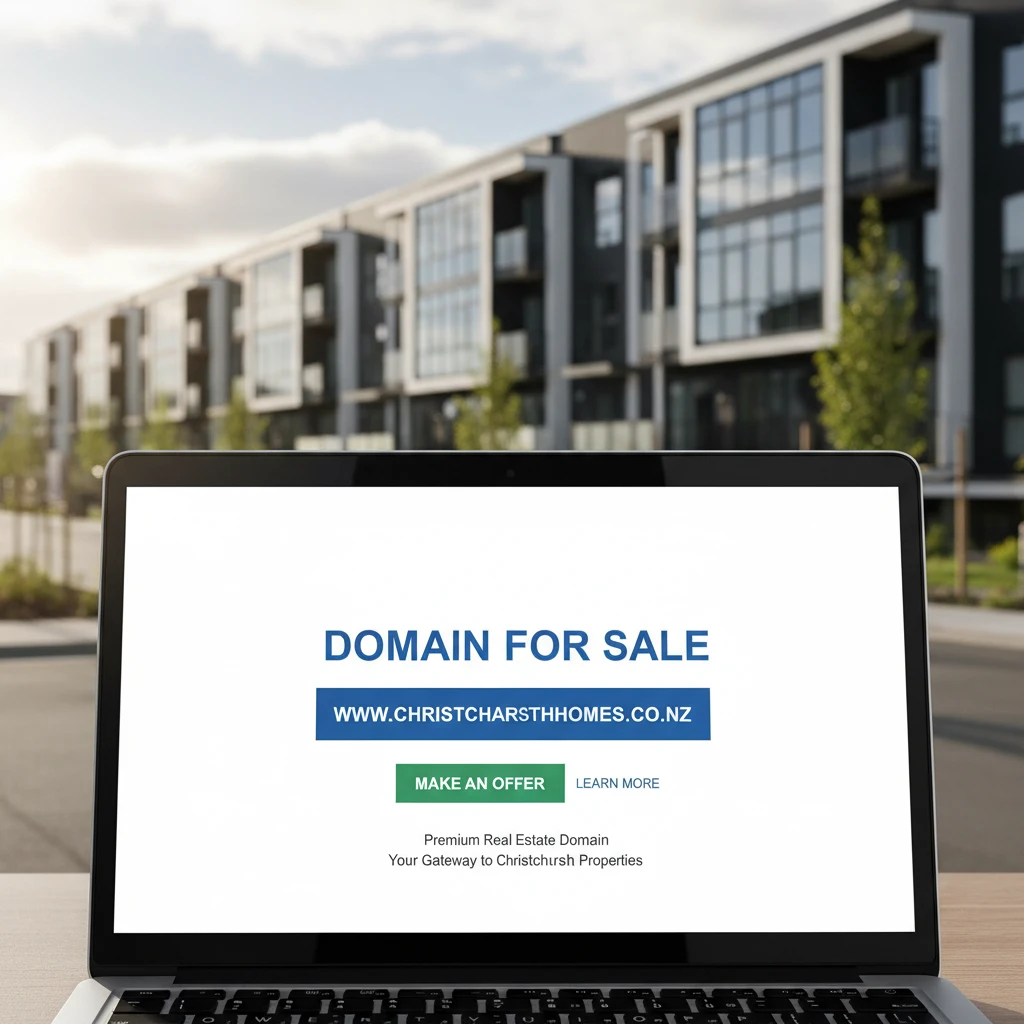
Not all nz domain recovery stories involve conflict. Sometimes, the goal is to acquire a premium generic domain (e.g., ChristchurchRentals.co.nz) that has been owned by an investor for decades. This requires a delicate brokerage approach rather than legal force.
The Challenge: The Silent Owner
A property management firm wanted a specific premium domain to dominate local SEO. The domain was “parked” (inactive) and the WHOIS data was privacy-masked. The owner had not responded to general inquiries for years.
The Brokerage Approach
Attempting to buy a domain directly often results in inflated prices if the seller realizes a large corporation is the buyer. As a localized brokerage service, we utilized an anonymity shield:
- The Outreach: We used proprietary tools to identify the historical ownership data, locating a secondary email address for the owner.
- Valuation and Offer: We conducted a valuation based on comparable .nz sales (e.g., recent sales of similar geo-modified keywords). An initial offer was made that was fair but not desperate.
- The Negotiation: The seller initially demanded $25,000 NZD. Through patient negotiation, highlighting the limited liquidity of .nz domains compared to .com, we agreed on a price of $8,500 NZD.
The Importance of Escrow
The transaction was executed using a localized escrow service. This is critical in domain recovery and acquisition. The buyer deposits funds into a trust account; the funds are only released to the seller once the UDAI is verified and the domain control has successfully passed to the buyer. This eliminates the risk of the seller taking the money and ghosting the buyer.
Lessons Learned from NZ Digital Asset Disputes
Analyzing these nz domain recovery stories reveals consistent patterns. Business owners can prevent costly disputes by adhering to a few golden rules of digital asset management.
1. Own Your Registrant Details
Never allow an employee, web developer, or marketing agency to list themselves as the “Registrant” of your domain. The Registrant is the legal owner. Always use the official legal name of your entity (e.g., “Kiwi Widgets Limited”) and a generic admin email address (e.g., domains@kiwiwidgets.co.nz) that multiple executives can access.
2. Monitor Your Brand
Utilize brand monitoring tools to alert you when domains similar to yours are registered. Catching a squatter within the 5-day “grace period” of a new registration can sometimes allow for easier intervention, though usually, you must wait for the registration to finalize before filing a DRS.
3. Trademark Early
While unregistered “common law” rights are recognized in New Zealand DRS cases, holding a valid trademark with the Intellectual Property Office of New Zealand (IPONZ) makes the “Rights” portion of a dispute significantly easier and cheaper to prove.
The Role of Professional Brokerage and Escrow
Recovering a domain is rarely just a technical task; it is a negotiation involving psychology, law, and finance. Professional NZ domain brokers bridge the gap between technical DNS management and legal dispute resolution.
Using a localized service offers distinct advantages over international platforms. Local brokers understand the specific nuances of the DNC policies, the cultural approach to negotiation in New Zealand (where aggressive tactics often backfire), and the legal requirements for GST invoices on digital asset sales. Furthermore, local escrow services ensure that funds remain within the New Zealand banking system, providing an extra layer of security and recourse for all parties involved.
Frequently Asked Questions
What is the Domain Name Commission (DNC) in New Zealand?
The Domain Name Commission (DNC) is the regulatory body responsible for managing the .nz domain name space. They set the policies, authorize registrars, and manage the Dispute Resolution Service (DRS) which handles conflicts regarding domain ownership and unfair registrations.
How much does it cost to file a DRS complaint in NZ?
Filing a standard DRS complaint is generally free for the complainant for the initial mediation stage. If the case proceeds to an Expert Determination because mediation failed, there is a fee involved, typically around $2,000 NZD + GST, which is paid by the complainant but may be recoverable in rare instances.
Can I recover a domain if I don’t have a trademark?
Yes, you can. The NZ DRS policy recognizes “unregistered rights.” If you can prove you have a significant trading reputation and goodwill associated with the name, you may satisfy the “Rights” criteria without a formal trademark registration.
What is a UDAI and why is it important?
A UDAI (Unique Domain Authentication ID) is an 8-character password generated for every .nz domain. It is required to transfer a domain from one registrar to another or to change the registrant details. Whoever holds the UDAI effectively holds the key to the domain.
How long does a domain dispute take to resolve?
A typical DRS case can take anywhere from 1 to 3 months. Mediation often resolves simple disputes within a few weeks. However, if the case goes to Expert Determination, the timeline extends as both parties must submit evidence and the expert requires time to render a decision.
Is cybersquatting illegal in New Zealand?
While cybersquatting is not a criminal offense (you won’t go to jail), it is a civil wrong. The Fair Trading Act can sometimes apply, but the primary remedy is the DNC’s administrative process, which allows for the cancellation or transfer of domains registered in bad faith.
