


Tourism & Hospitality Acquisition
To purchase tourism.co.nz or similar premium digital assets is to acquire a foundational stake in New Zealand’s visitor economy. These category-defining domains act as high-authority digital real estate, securing immediate organic traffic, enhancing brand credibility, and significantly lowering long-term customer acquisition costs by capturing high-intent direct navigation.
The Strategic Value of Premium Tourism Domains
In the high-stakes world of digital asset brokerage, the opportunity to purchase tourism.co.nz represents more than just a URL acquisition; it is comparable to securing prime physical real estate on Queenstown’s waterfront or Auckland’s Viaduct Harbour. As New Zealand’s tourism sector rebounds aggressively post-pandemic, the digital gateways that funnel international and domestic travelers to operators are becoming increasingly scarce and valuable.
Premium generic domains, often referred to as “Category Killers,” offer an unfair advantage in a crowded marketplace. When an investor or hospitality group acquires a domain like tourism.co.nz, they are not merely buying a web address; they are purchasing inherent trust and authority. Search engines like Google historically favor established, descriptive domains because they align perfectly with user intent. For a user typing “NZ tourism” or “tourism in NZ,” a domain that matches this query exactly signals relevance before the site even loads.
Furthermore, the defensive value of such an acquisition cannot be overstated. By holding the category-defining domain, you prevent competitors—whether they are Online Travel Agencies (OTAs) or rival hotel groups—from monopolizing the generic search traffic associated with the entire industry. This creates a moat around your digital presence, ensuring that the highest volume of top-of-funnel traffic flows directly to your portfolio.
Instant Brand Authority and Trust
In the digital hospitality landscape, trust is the currency of conversion. International travelers, particularly those from high-value markets like the USA, UK, and China, often hesitate when booking directly with unknown local operators. A premium domain confers instant legitimacy. It suggests that the entity behind the website is the definitive source of information or service for that category. This psychological assurance translates directly into higher click-through rates (CTR) from search results and higher conversion rates on-page, lowering the overall Cost Per Acquisition (CPA) relative to paid search campaigns.
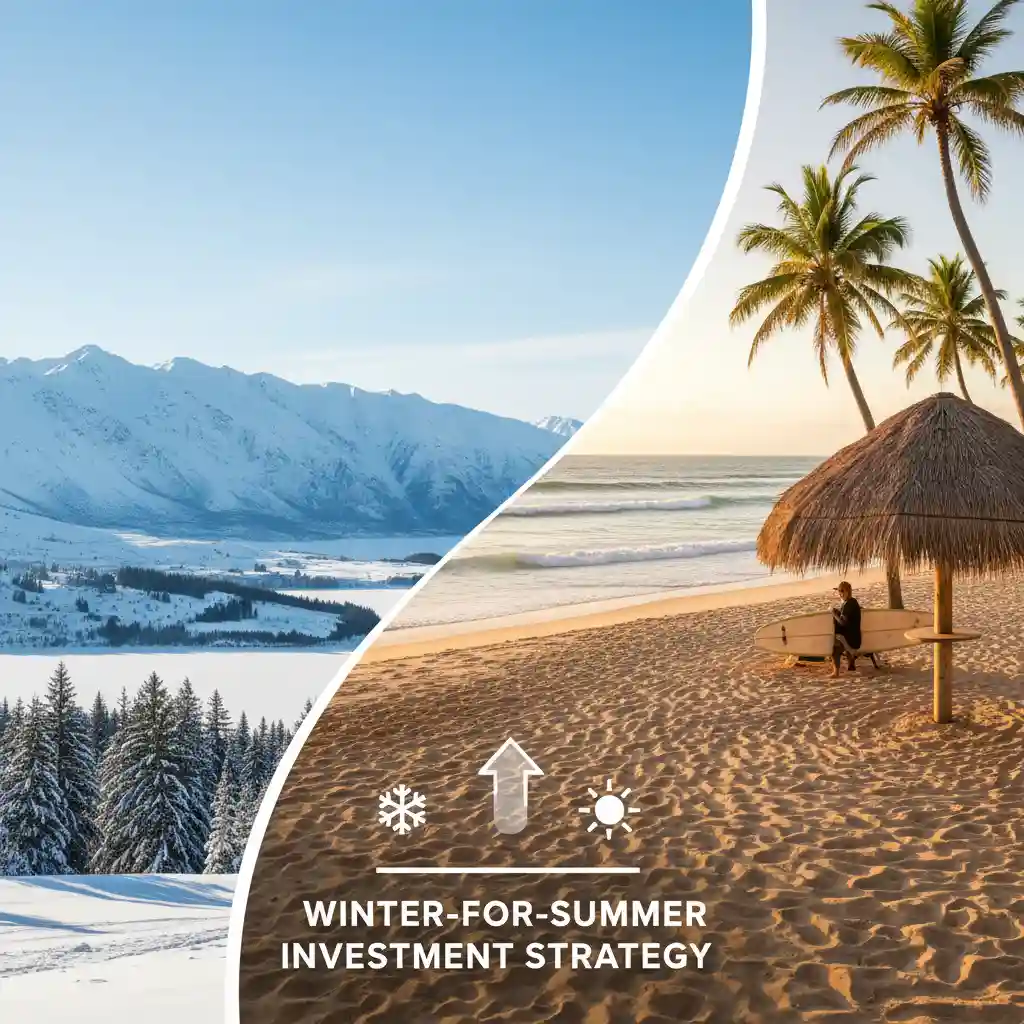
Seasonal Acquisition Strategy: Buying in Winter for Summer Returns
Smart capital in the New Zealand tourism market follows a counter-cyclical acquisition strategy. The adage “buy straw hats in winter” applies directly to digital tourism assets. The optimal window to purchase tourism.co.nz or related hospitality portfolios is during the New Zealand winter (May through August), specifically targeting the pre-season lull before the summer rush begins in late November.
During the winter months, cash flow for many smaller operators or domain holders may be tighter, creating a buyer’s market where negotiations can be more favorable. However, the strategic value lies in the preparation time. Acquiring a digital asset in June allows for a six-month runway to optimize the site, overhaul the technical SEO, and build content silos before the peak booking window opens.
Understanding the Booking Window
International tourists typically plan their New Zealand vacations 3 to 6 months in advance. A purchase executed in Q2 or Q3 ensures that the asset is primed to capture the search volume that spikes in Q4 for travel in Q1 (January/February). By acquiring the asset in the off-season, investors can implement site restructuring and link-building campaigns that take 90-120 days to mature in search engine algorithms. This timing ensures that when the high-intent traffic volume hits its zenith, the domain is already ranking in prime position 0 or position 1 slots.
Exact Match Domains (EMDs) for Adventure Activities
While broad category domains like tourism.co.nz capture the top of the funnel, there is immense transactional value in Exact Match Domains (EMDs) targeting specific activities. New Zealand is the adventure capital of the world, and high-adrenaline activities command high ticket prices. Consequently, domains containing keywords like “bungy,” “jetboat,” “skydive,” or “heli-ski” are highly lucrative digital assets.
The search intent for these terms is purely transactional. A user searching for “Queenstown Jetboat” is not looking for a history of the sport; they are looking to book a ride. Owning the EMD for these activities (e.g., jetboat.co.nz or queenstownbungy.co.nz) creates a direct funnel to the checkout page. For investors, a portfolio approach is often recommended: anchor the portfolio with a broad authority domain (like tourism.co.nz) and support it with a network of vertical-specific EMDs that feed traffic into the main ecosystem or operate as standalone lead-generation engines.
Higher Conversion on Specific Intent
Data from digital brokerages indicates that activity-specific EMDs often enjoy conversion rates 2-3x higher than generic travel blogs. This is because the domain name itself validates the user’s specific desire. When acquiring these assets, look for domains that combine a geographic modifier with an activity (Geo + Niche), as these are the gold standard for local SEO. For example, owning the digital rights to a phrase like “Rotorua Mud Pools” or “Wanaka Skiing” provides a defensive barrier against competitors bidding on those keywords in Google Ads.

Accommodation Domain Trends: The Shift to Direct Booking
The hospitality sector in New Zealand is undergoing a digital correction. For years, hotels and luxury lodges relied heavily on Online Travel Agencies (OTAs) like Booking.com and Expedia, sacrificing 15-25% commissions on every booking. The current trend in digital asset acquisition is focused on reclaiming that margin through direct booking channels. This makes accommodation-focused domains incredibly valuable.
Investors are increasingly looking to purchase tourism.co.nz and similar domains to build “Book Direct” platforms. By controlling the primary entry point, asset owners can offer value-adds (free breakfast, room upgrades) that OTAs cannot match, incentivizing users to bypass the middleman. This trend is particularly prevalent in the luxury lodge sector, where a single booking can exceed $10,000 NZD. In this niche, the domain name must reflect exclusivity and prestige.
The Luxury Lodge Niche
There is a specific high-value market for domains related to “glamping,” “luxury lodges,” and “boutique hotels.” As high-net-worth individuals flock to New Zealand for privacy and nature, domains that cater to this demographic are seeing a surge in valuation. An acquisition strategy should focus on domains that imply exclusivity. Generic terms like “cheap motels” are losing value as competition with Airbnb intensifies, while “luxury escapes” and premium accommodation domains are appreciating assets.
Capturing International Traffic: .com vs .co.nz
A critical consideration when you look to purchase tourism.co.nz is the extension itself. In the New Zealand market, the .co.nz extension is the undisputed king of local trust. Domestic travelers and Australian visitors (New Zealand’s largest market) inherently trust .co.nz over any other extension. It signals that the business is locally operated, governed by New Zealand consumer laws, and likely to have local customer support.
However, for a truly global strategy, the .com equivalent cannot be ignored. US and European travelers are conditioned to type .com. The ideal acquisition strategy involves a dual-track approach: securing the .co.nz for operational dominance and local SEO rankings, while acquiring the .com (if available) or a variation of it to capture international type-in traffic and protect the brand globally.

Geographic Targeting and SEO
Search engines use the domain extension (ccTLD) as a strong signal for geographic targeting. A .co.nz domain will almost always outrank a .com domain for searches originating inside New Zealand. Conversely, a .com may have an easier time ranking globally for broad terms. If the goal of purchasing tourism.co.nz is to attract inbound tourists before they arrive, the content strategy must be robust enough to signal global relevance despite the local extension. Fortunately, Google understands that .co.nz is relevant to international users searching specifically for New Zealand content.
Due Diligence: Evaluating New Zealand Digital Assets
Before executing a transaction to purchase tourism.co.nz or any high-value digital asset, rigorous due diligence is required. The valuation of a domain is not arbitrary; it is based on metrics, history, and potential.
Traffic History and Backlink Profile
Use tools like Ahrefs or SEMrush to analyze the domain’s history. Has it been used for spam in the past? A domain with a toxic backlink profile can be a liability rather than an asset. Conversely, a domain like tourism.co.nz likely has thousands of natural, high-authority backlinks from government sites, news outlets, and travel blogs built up over decades. This “link equity” is often worth more than the name itself, as it would cost hundreds of thousands of dollars to replicate manually.
Trademark and Legal Clearance
Ensure that the domain does not infringe on existing trademarks. In New Zealand, the Intellectual Property Office of New Zealand (IPONZ) database should be consulted. While generic terms (like “tourism”) generally cannot be trademarked, variations might be. Furthermore, ensure the sale includes a proper Escrow process. For high-value transactions, using a recognized digital asset escrow service is non-negotiable to ensure the domain transfer and funds release happen simultaneously and securely.
People Also Ask
Why are New Zealand .co.nz domains so expensive?
New Zealand .co.nz domains command high prices due to their scarcity and high trust factor. As an island nation with a robust economy, the pool of premium generic keywords is limited. The .co.nz extension is strictly preferred by locals and trusted by international visitors, making it a critical asset for any business wanting to operate credibly within the country.
How do I purchase a domain that is already owned?
To purchase an owned domain, you typically need to engage a digital asset broker or use a domain buy service. The process involves identifying the owner via WHOIS data (if public) or a contact form, initiating a negotiation, agreeing on a price, and using an escrow service to facilitate the secure transfer of funds and ownership.
Is the tourism industry in New Zealand growing?
Yes, New Zealand’s tourism industry is in a strong rebound phase following the pandemic. International visitor arrivals are steadily increasing, with a renewed focus on high-value, sustainable tourism. This growth trajectory increases the value of digital assets that serve this market.
What are the tax implications of buying a digital asset in NZ?
In New Zealand, purchasing a domain name is generally considered a capital expense (intangible asset) for a business. It may not be immediately deductible but can often be amortized over time. However, if you are in the business of trading domains, profits may be taxed as income. Always consult a qualified NZ accountant for specific advice.
Can I buy a .co.nz domain if I don’t live in New Zealand?
Yes, there are currently no strict residency requirements for registering a standard .co.nz domain, unlike some other country-code domains (like .au which requires a local presence). This makes NZ digital assets highly accessible to international investors.
How do I value a tourism domain name?
Valuation is based on several factors: the commercial intent of the keywords (CPC), the length and memorability of the name, the existing backlink profile/SEO authority, the age of the domain, and comparable sales history in the niche. Premium category killers like tourism.co.nz are valued significantly higher due to their brandability.
