

NZ domain auctions are specialized digital marketplaces where individuals and businesses bid on pre-owned, premium, or expired New Zealand internet addresses, specifically those ending in .co.nz or .nz. These auctions are the primary method for acquiring high-value local domains that are already registered, facilitating the transfer of digital assets under regulations set by the Domain Name Commission.
The digital real estate market in New Zealand is a thriving ecosystem, distinct from the global .com market. Whether you are a local SME looking to secure your brand identity or a global investor seeking high-yield digital assets, understanding the nuances of the Kiwi domain aftermarket is crucial. This guide provides a comprehensive roadmap to navigating the complexities of buying and selling in this niche.
The New Zealand Domain Landscape: .co.nz vs. .nz
Before diving into auctions, it is imperative to understand the hierarchy of the New Zealand domain space. Unlike the US where .com is the undisputed king, New Zealand has a two-tiered system that dictates value and demand.

The Reign of .co.nz
Historically, .co.nz has been the standard extension for commercial entities in New Zealand. It carries the highest level of trust and consumer recognition. For most businesses, a .co.nz address is the primary asset. In the context of nz domain auctions, .co.nz domains typically command the highest prices due to this ingrained consumer behavior. If a user types a local business name into a browser, they instinctively append .co.nz.
The Rise of .nz
In 2014, the Domain Name Commission (DNC) allowed the registration of shorter, second-level domains (e.g., example.nz). While this modernized the namespace, adoption has been gradual. Investors should note that while .nz domains are cleaner and shorter, they often trade at a discount compared to their .co.nz counterparts unless they are ultra-short (2-3 letters) or highly generic keywords. A robust strategy involves securing both to prevent brand dilution.
Who Buys NZ Domains? Market Participants
The liquidity in the New Zealand aftermarket is driven by two distinct groups with different motivations. Understanding who you are bidding against is key to winning an auction.
Kiwi SMEs and Corporates
Small to Medium Enterprises (SMEs) are the end-users. Their intent is usually defensive or expansionist. They participate in auctions to:
- Protect Brand Identity: Preventing competitors from acquiring similar names.
- Upgrade Digital Presence: Moving from a hyphenated or long domain to a premium exact-match domain.
- SEO Advantages: Acquiring aged domains with existing backlink profiles to jumpstart search rankings.
Global Flippers and Domain Investors
The second group consists of “domainers.” These are investors who treat domains as virtual real estate. They scour nz domain auctions for undervalued assets, misspellings, or expired names with high metrics. Their goal is to buy low and sell high, often holding the portfolio for years. New Zealand’s stable economy makes its ccTLD (country code Top-Level Domain) attractive to international investors.
Top Platforms for NZ Domain Auctions
Finding the right marketplace is half the battle. Unlike the centralized nature of some markets, NZ inventory is fragmented across local giants and global registrars.

Trade Me: The Local Giant
Uniquely, New Zealand’s general marketplace, Trade Me, is a significant venue for domain sales. Because Trade Me is the go-to site for everything from cars to houses in NZ, many casual sellers list their domains here. It is an excellent place to find “gems in the rough” sold by individuals who may not know the true value of their digital asset.
Global Marketplaces (Sedo & Afternic)
For high-value, premium keywords (e.g., insurance.co.nz or loans.nz), global platforms like Sedo are often used to reach a wider audience. These platforms offer sophisticated escrow services, which provides safety for high-ticket transactions.
Expired Domain Services
Specialized services track domains that are “dropping” (expiring). In New Zealand, registrars like 1st Domains or Crazy Domains often have backorder services. If a domain is not renewed, these services attempt to register it the millisecond it becomes available. This is a competitive arena where automated scripts usually beat manual attempts.
Understanding the Lifecycle and DNC Regulations
To succeed in nz domain auctions, specifically those involving expired names, you must master the domain lifecycle dictated by the Domain Name Commission (DNC).
The Expiration Process
- Active Status: The domain is live and registered.
- Grace Period (0-90 Days): If a registrant fails to renew, the domain enters a grace period. The website goes offline, but the original owner can still renew it without penalty.
- Pending Release: After the grace period, the domain is scheduled for release. This is when backorder services queue up their “drop catch” scripts.
The UDAI Code
A critical component of the NZ system is the UDAI (Unique Domain Authentication ID). This 8-character code acts as the password for the domain. You cannot transfer a .nz domain from one registrar to another, or from seller to buyer, without this code. When buying in an auction, ensuring the seller has a valid UDAI is the first step of due diligence.

How to Value a Kiwi Domain Name
Valuation is subjective, but specific metrics can help you determine a ceiling price for your bids.
Commercial Intent (CPC)
Use tools like Google Keyword Planner to check the Cost Per Click (CPC) for the keyword. If advertisers are paying $20 per click for “Auckland Plumbers,” the domain aucklandplumbers.co.nz has significant inherent value.
Length and Memorability
Short is sweet. Three-letter domains (LLLs) and four-letter domains (LLLLs) have a base floor price due to their scarcity. Pronounceable domains pass the “radio test”—if you hear it on the radio, can you spell it correctly?
Extension Hierarchy
As a general rule of thumb in the NZ market:
- Tier 1: keyword.co.nz
- Tier 2: keyword.nz
- Tier 3: keyword.net.nz or .org.nz (Significantly lower value, generally avoid for investment).
Quick Start Guide to Buying Premium Domains
Ready to participate in your first auction? Follow this step-by-step protocol to minimize risk.
Step 1: Trademark Research
Before bidding, visit the IPONZ (Intellectual Property Office of New Zealand) website. Ensure the domain does not infringe on an existing New Zealand trademark. Buying a domain that matches a registered trademark can lead to a Dispute Resolution Service (DRS) case, where you could lose the domain without compensation.
Step 2: Check History
Use the Wayback Machine (Internet Archive) to check what used to be on the domain. Avoid domains that were previously used for spam, gambling, or adult content, as they may be blacklisted by Google.
Step 3: Secure the Transfer
Once you win an auction:
- Pay the auction platform (acting as escrow).
- Request the UDAI from the seller.
- Input the UDAI at your preferred registrar (e.g., Metronet, SiteHost, Freeparking).
- Verify the registrant details are updated to your name immediately.
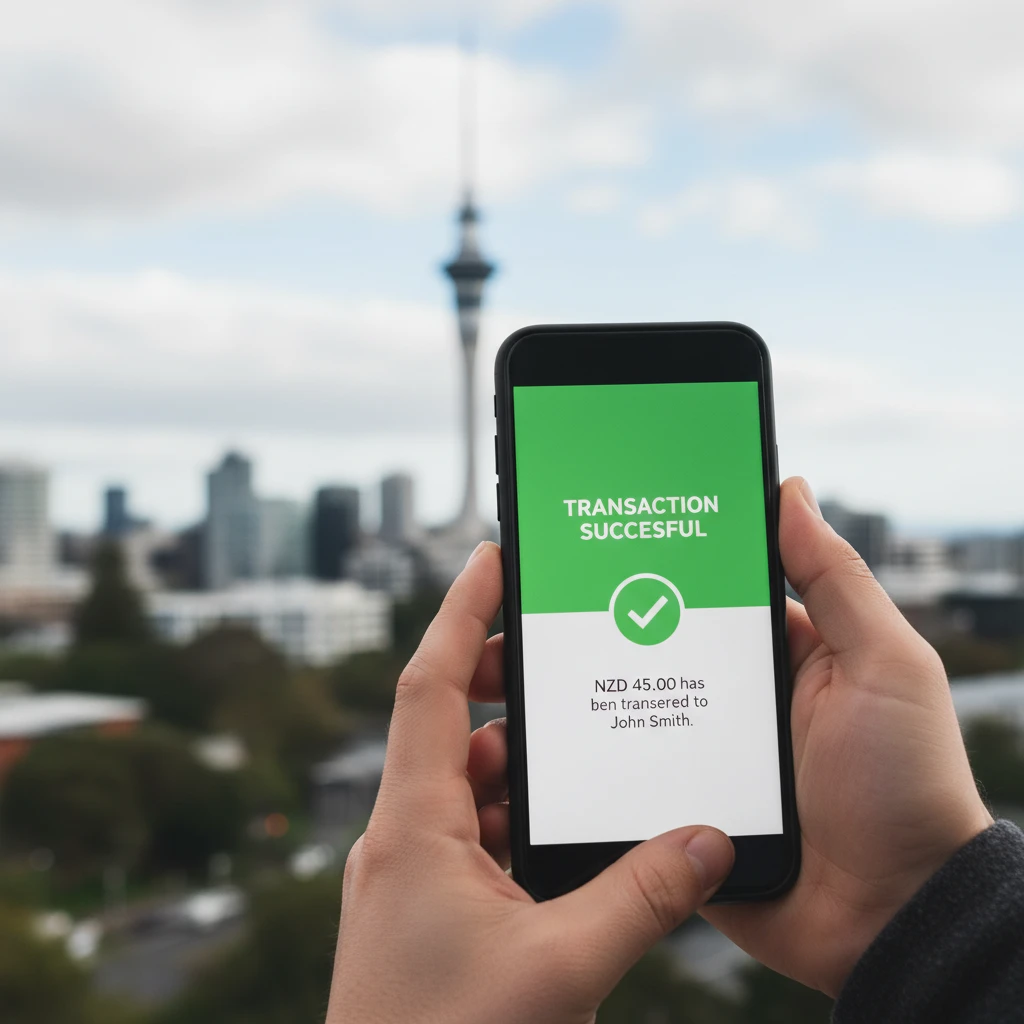
Strategies for Selling Your NZ Domains
If you are on the sell-side, maximizing profit requires exposure and patience.
Set a Realistic Reserve
Analyze comparable sales (comps). If similar domains sold for $500, setting a reserve of $5,000 will likely result in a failed auction. Start low to encourage bidding momentum.
Outbound Marketing
Don’t just wait for buyers. If you own wellingtonroofing.co.nz, identify the top 10 roofing companies in Wellington. Send a professional email letting them know the asset is available. End-users often pay significantly more than investors on auction platforms.
Use a “For Sale” Landing Page
Point your domain to a simple landing page that says “This Domain is For Sale” with a contact form or a link to the auction. This captures traffic from people typing the address directly into their browser.
Frequently Asked Questions
What is the difference between .nz and .co.nz?
.co.nz is the traditional extension for businesses and is widely recognized and trusted. .nz is a newer, shorter extension introduced in 2014. While .nz is cleaner, .co.nz currently holds higher market value and consumer trust in New Zealand.
How much does a .nz domain cost?
A standard registration fee for a new .nz domain typically ranges from $20 to $40 NZD per year. However, premium domains sold at nz domain auctions can range from a few hundred dollars to tens of thousands depending on the keyword quality.
Can anyone buy a .nz domain name?
Yes, there are generally no residency restrictions for registering .nz domains. International individuals and entities can own them, making them popular for global investors, though having a local presence can help with dispute resolution.
What is a UDAI code?
UDAI stands for Unique Domain Authentication ID. It is an 8-character password generated by the registrar. It is required to authorize the transfer of a .nz domain name from one registrar to another or to change ownership.
Where is the best place to sell NZ domains?
For local exposure, Trade Me is a popular platform. For higher-end, premium domains targeting international buyers or investors, platforms like Sedo or specialized brokerages are often more effective.
What happens if a .nz domain expires?
When a domain expires, it enters a 90-day grace period where the original owner can renew it. After this period, it enters a “Pending Release” status before being dropped and made available for public registration again.
