

Te Reo Māori domain names are digital web addresses that incorporate the Māori language, specifically utilizing Internationalized Domain Names (IDNs) to support macrons (tohutō). Integrating these domains allows New Zealand entities to align their digital presence with cultural identity, ensuring correct pronunciation, meaning, and brand protection within the Aotearoa market.
The Growth of Te Reo Māori in Digital Branding
The digital landscape of Aotearoa is undergoing a profound transformation. As the revitalization of Te Reo Māori gains momentum across the public and private sectors, the internet—the primary interface of modern commerce and communication—is evolving to reflect this cultural shift. For domain brokers and asset managers, understanding the trajectory of Te Reo Māori domain names is no longer a niche interest; it is a fundamental component of comprehensive digital strategy in New Zealand.
In the past decade, we have moved from a monolingual internet structure to one that embraces linguistic diversity. This shift is driven not only by a desire for cultural preservation but by a recognition of the commercial and social value of inclusivity. Brands that adopt Te Reo Māori in their digital footprint demonstrate a commitment to the principles of Te Tiriti o Waitangi and resonate more deeply with a growing demographic of socially conscious consumers.
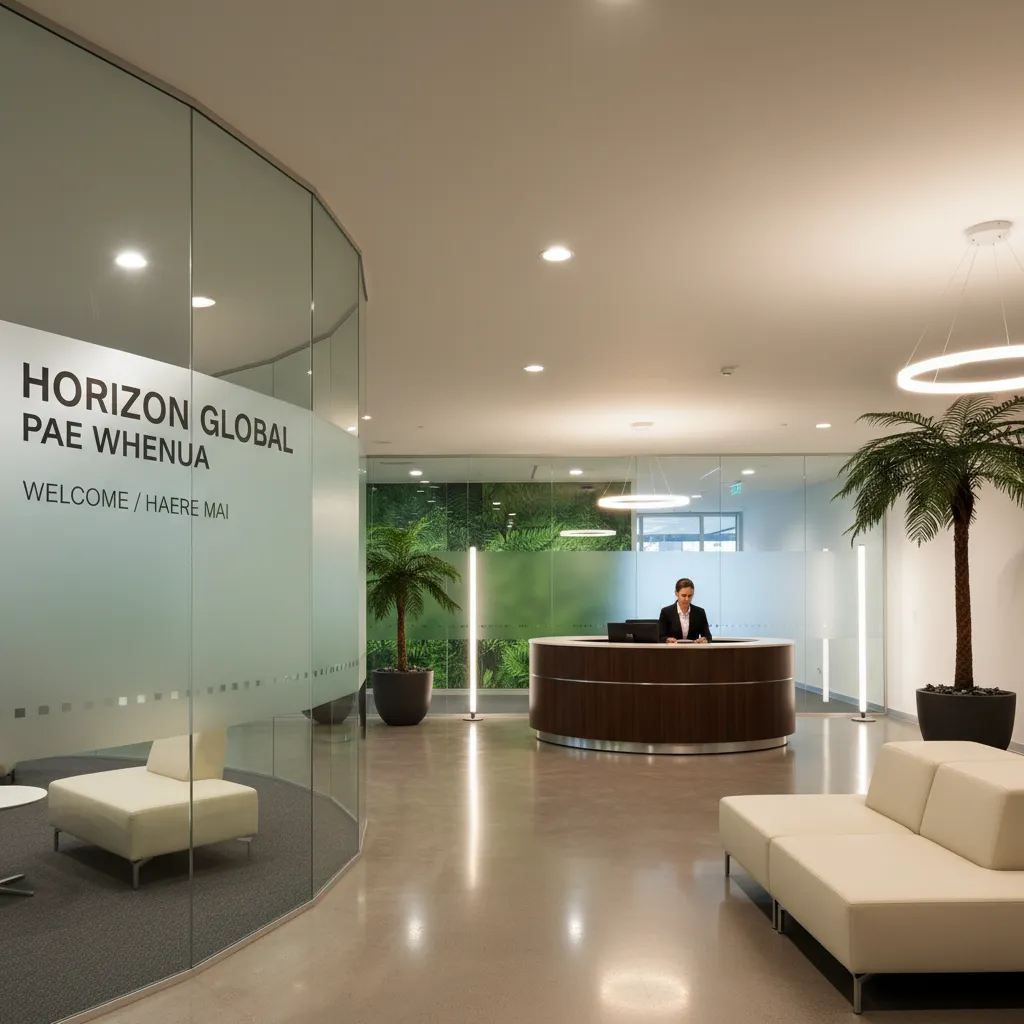
This growth is evident in the increasing registration numbers of .nz domains featuring Māori words and concepts. From government agencies rebranding to include their Māori names (e.g., Waka Kotahi, Kāinga Ora) to small businesses adopting ‘kai’ or ‘mahi’ in their URLs, the lexicon of the .nz namespace is expanding. For investors and brokers, this signals a rising demand for high-value keywords in Te Reo, necessitating a nuanced understanding of language, meaning, and context.
Macrons in Domain Names (IDNs) Explained
What are Internationalized Domain Names (IDNs)?
To fully leverage Te Reo Māori online, one must understand the technical architecture that supports it. This brings us to Internationalized Domain Names (IDNs). Historically, the Domain Name System (DNS) was restricted to ASCII characters (a-z, 0-9, and the hyphen). This limitation made it impossible to correctly represent languages that use diacritics, such as the macron (tohutō) used in Te Reo Māori to indicate a long vowel sound.
The introduction of IDNs changed this. In the .nz namespace, registrants can now register domain names that include macrons (ā, ē, ī, ō, ū). This is critical because, in Māori, the presence of a macron can completely alter the meaning of a word. For example:
- Keke: Cake
- Kēkē: Armpit
A business intending to sell baked goods would face a significant branding disaster if they could not distinguish between these two words in their URL. InternetNZ, the designated manager for the .nz top-level domain, has enabled the registration of macron-inclusive domains to ensure that the mana (integrity) of the language is upheld online.
The Technical Side: Punycode
When a user types a domain with a macron into a browser, the system converts those characters into a format called “Punycode” behind the scenes. Punycode is a way of representing Unicode with the limited ASCII character set. A domain like maori.nz (with a macron over the a) might technically translate to xn--mori-qsa.nz. Modern browsers handle this translation automatically, displaying the correct macron version to the user, but for domain brokers, understanding this backend process is vital for troubleshooting DNS records and email configurations.

Cultural Competency in Digital Assets
Owning and managing Te Reo Māori domain names requires a level of cultural competency that goes beyond standard asset management. Simply translating an English keyword into Māori and registering the domain can lead to accusations of cultural appropriation or insensitivity if not done with due diligence.
Avoiding Tokenism
There is a fine line between appreciation and appropriation. Businesses that register Te Reo domains solely for SEO traffic without a genuine connection to the culture or the community often face backlash. Effective digital asset management in this niche involves advising clients on the whakapapa (origin/story) of the names they choose. Does the name fit the business? Has the local iwi been consulted if the name relates to a specific geographic location or tribal history?
Defensive Registration and Brand Protection
From a brokerage perspective, cultural competency also involves defensive registration. High-profile New Zealand brands should secure both the non-macron and macron versions of their domains. This is not just for traffic capture but for brand integrity. If a company operates as “Wēku” (a hypothetical brand), they should own both weku.co.nz and wēku.co.nz. This prevents phishing attacks that might utilize visual similarities and ensures that users who type the name correctly (with macrons) land on the correct site.
The Role of .iwi.nz
While .co.nz and .nz are open to general registration, the .iwi.nz second-level domain represents a unique, moderated space reserved specifically for traditional Māori tribes (iwi). This domain extension is a powerful assertion of digital sovereignty.
Unlike open marketplaces, .iwi.nz requires validation. Applications are moderated to ensure the registrant is a genuine iwi authority. For domain brokers, it is crucial to understand that these assets are generally not tradable commodities in the same way generic domains are. They represent the digital home of a people. However, understanding the structure of .iwi.nz is essential when advising iwi commercial arms (often separate entities) on how to structure their commercial portfolios (usually on .co.nz) while linking back to their cultural hub on .iwi.nz.
Matariki: A Time for Digital Renewal
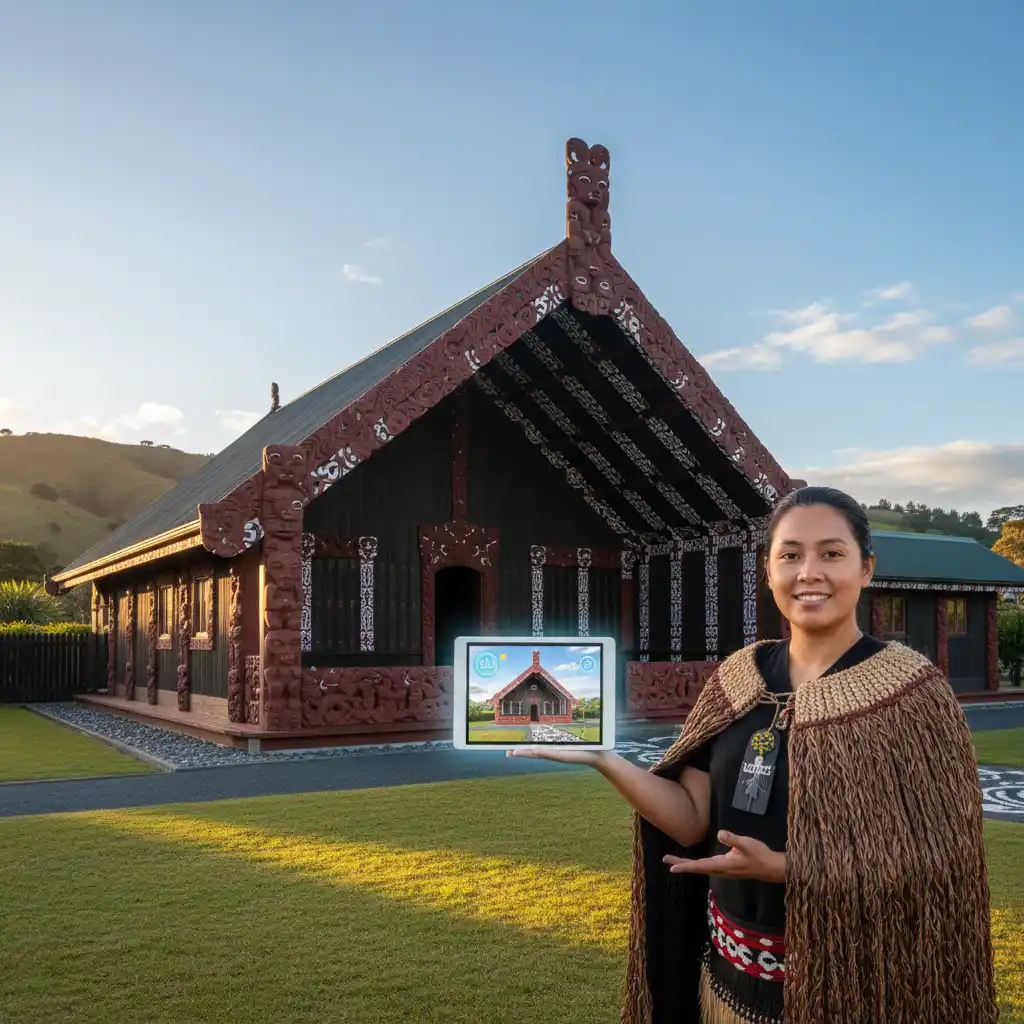
Matariki, the Māori New Year, has become a significant marker in the New Zealand calendar, officially recognized as a public holiday. In the context of digital asset management, Matariki provides a culturally relevant framework for auditing and renewing digital strategies.
The Annual Audit
Just as Matariki is a time for reflection and planning for the year ahead, it is the ideal time for businesses to audit their domain portfolios. Questions to ask during this period include:
- Do we hold the macron versions of our primary domains?
- Is our use of Te Reo in our URLs and metadata accurate and respectful?
- Are there expiring assets that no longer serve our kaupapa (purpose)?
For domain brokers, framing portfolio reviews around Matariki aligns technical maintenance with local cultural rhythms, fostering stronger relationships with Kiwi clients.

Strategic Implementation for Brokerage and Investment
When advising clients on acquiring Te Reo Māori domain names, a hybrid strategy is often best. Search engines like Google are becoming increasingly sophisticated at understanding synonyms and diacritics, but user behavior varies.
The Redirect Strategy
The current best practice is to resolve both the macron and non-macron versions to the same primary website. Usually, the non-macron version (ASCII) is kept as the primary technical host to ensure maximum compatibility with older email servers and third-party tools, while the macron version (IDN) is used in marketing materials to demonstrate cultural pride and accuracy. The IDN then 301 redirects to the primary site.
SEO Implications
Google treats māori.nz and maori.nz as distinct but related entities. By securing both and linking them, you signal to search engines that your content is relevant for queries using either spelling. This effectively doubles the net you cast for search traffic, capturing both the casual typist and the culturally fluent user.
People Also Ask
Can I use macrons in .nz domain names?
Yes, the .nz domain registry supports Internationalized Domain Names (IDNs), allowing you to register domains containing the Māori vowels with macrons (ā, ē, ī, ō, ū). This ensures the correct spelling and meaning of Te Reo words are preserved in your web address.
How does Google treat Te Reo Māori domains for SEO?
Google is capable of indexing and ranking IDNs. However, it generally treats the macron and non-macron versions as separate URLs. To maximize SEO, it is recommended to register both versions and redirect one to the other, ensuring you capture traffic regardless of how the user types the query.
What is the difference between .co.nz and .iwi.nz?
.co.nz is an open domain space available for any commercial entity or individual. In contrast, .iwi.nz is a moderated second-level domain reserved exclusively for traditional Māori tribes (iwi), requiring verification of authority to register.
Why are macrons important in domain names?
Macrons (tohutō) indicate a long vowel sound in Te Reo Māori. Omitting a macron can completely change the meaning of a word (e.g., ‘keke’ is cake, ‘kēkē’ is armpit). Using macrons in domains prevents confusion and shows cultural respect.
Do I need a special keyboard to type macron domains?
To type a macron directly, you need a keyboard set up for the Māori language. On Windows and Mac, this usually involves enabling the Māori keyboard layout and using the ` (backtick) or Alt key in combination with a vowel. However, users without this setup can usually type the non-macron version and still find the site if redirects are in place.
Is it expensive to register a Te Reo Māori domain?
The cost of registering a Te Reo Māori domain (IDN) is generally the same as a standard .nz domain. However, if you are purchasing a premium, high-value keyword on the secondary market, the price will be determined by its commercial value and brand potential.
