


Protecting Indigenous IP
Protecting Māori IP online involves a multi-faceted strategy combining New Zealand intellectual property law, the principles of WAI 262, and proactive digital asset management. It requires safeguarding taonga works, symbols, and te reo Māori from unauthorized commercial exploitation through defensive domain registration, trademark enforcement, and continuous brand monitoring across digital platforms.
As the digital frontier expands, the intersection of Indigenous rights and digital asset management has become a critical focal point for Aotearoa. For Iwi, Hapū, and Māori business owners, the virtualization of culture presents both economic opportunities and significant risks of misappropriation.
WAI 262 and the Digital Sovereignty of Taonga
To understand the landscape of protecting Māori IP online, one must first understand WAI 262. Often referred to as the “Flora and Fauna” claim, WAI 262 is a seminal claim lodged with the Waitangi Tribunal that addresses the ownership and control of Māori culture, identity, and traditional knowledge (Mātauranga Māori).
In the context of digital assets, WAI 262 establishes the moral and ethical framework for data sovereignty. It challenges the Western concept of intellectual property—which typically favors individual ownership and commercialization—by asserting that taonga (treasures) are owned collectively and carry a responsibility of guardianship (Kaitiakitanga).
Translating WAI 262 to the Blockchain and Web3
The principles of WAI 262 are increasingly relevant as we see the rise of Non-Fungible Tokens (NFTs) and the Metaverse. When a sacred symbol or a digitized version of a traditional carving is minted on a blockchain without permission, it violates the sanctity of that taonga. Unlike physical theft, digital appropriation can be replicated infinitely.
For digital asset brokers and advisors in New Zealand, respecting WAI 262 means conducting thorough due diligence. It involves asking critical questions before acquiring or listing assets:
- Does this digital asset utilize Māori imagery or language?
- Has the creator obtained permission from the relevant Iwi or Hapū?
- Does the asset respect the mana of the source material?
Preventing Offensive Registration and Domain Squatting
One of the most immediate threats in protecting Māori IP online is the unauthorized registration of domain names. This often takes two forms: cybersquatting (registering names to sell them back to Iwi at inflated prices) and offensive registration (associating sacred terms with inappropriate content).
The Role of the Domain Name Commission (DNC)
In New Zealand, the .nz domain space is regulated by the Domain Name Commission. The DNC has policies in place to handle disputes, but the system is largely reactive rather than proactive. While there are mechanisms to challenge a domain registration that is “unfair” or “confusingly similar,” the burden of proof often lies with the complainant.
However, significant strides are being made. The DNC allows for the challenge of names that are considered offensive to Māori. This is a unique feature of the NZ digital landscape compared to generic Top-Level Domains (gTLDs) like .com or .net, where cultural offense is rarely grounds for cancellation.

Defensive Registration Strategies
Advisory firms now recommend a strategy of defensive registration. This involves:
- Broad Match Registration: Securing not just the exact Iwi name but common misspellings and variations.
- TLD Coverage: Registering across .nz, .co.nz, .maori.nz, and .iwi.nz, as well as global extensions like .com to prevent international misuse.
- Macron Usage: Ensuring that domains utilizing macrons (tohutō) are secured to preserve the integrity of the language.
Legal Recourse for Cultural Misuse in Aotearoa
When prevention fails, understanding the legal avenues for protecting Māori IP online is essential. New Zealand law is evolving to better accommodate Indigenous rights, primarily through the Trade Marks Act 2002.
The Māori Advisory Committee
A pivotal component of the Intellectual Property Office of New Zealand (IPONZ) is the Māori Advisory Committee. Their function is to advise the Commissioner of Trade Marks on whether a proposed trademark is likely to be offensive to Māori. If a digital brand attempts to trademark a logo containing a offensive use of a moko or a sacred term, the Committee can recommend rejection.
This protection, however, has limitations. It generally applies to registered trademarks. Unregistered marks, or content protected only by copyright, fall into a more complex legal gray area. Copyright law in New Zealand protects “original works,” but it does not protect the underlying style, idea, or traditional knowledge that predates the work. This is where the gap between Western law and Tikanga Māori (Māori customary practices) is widest.
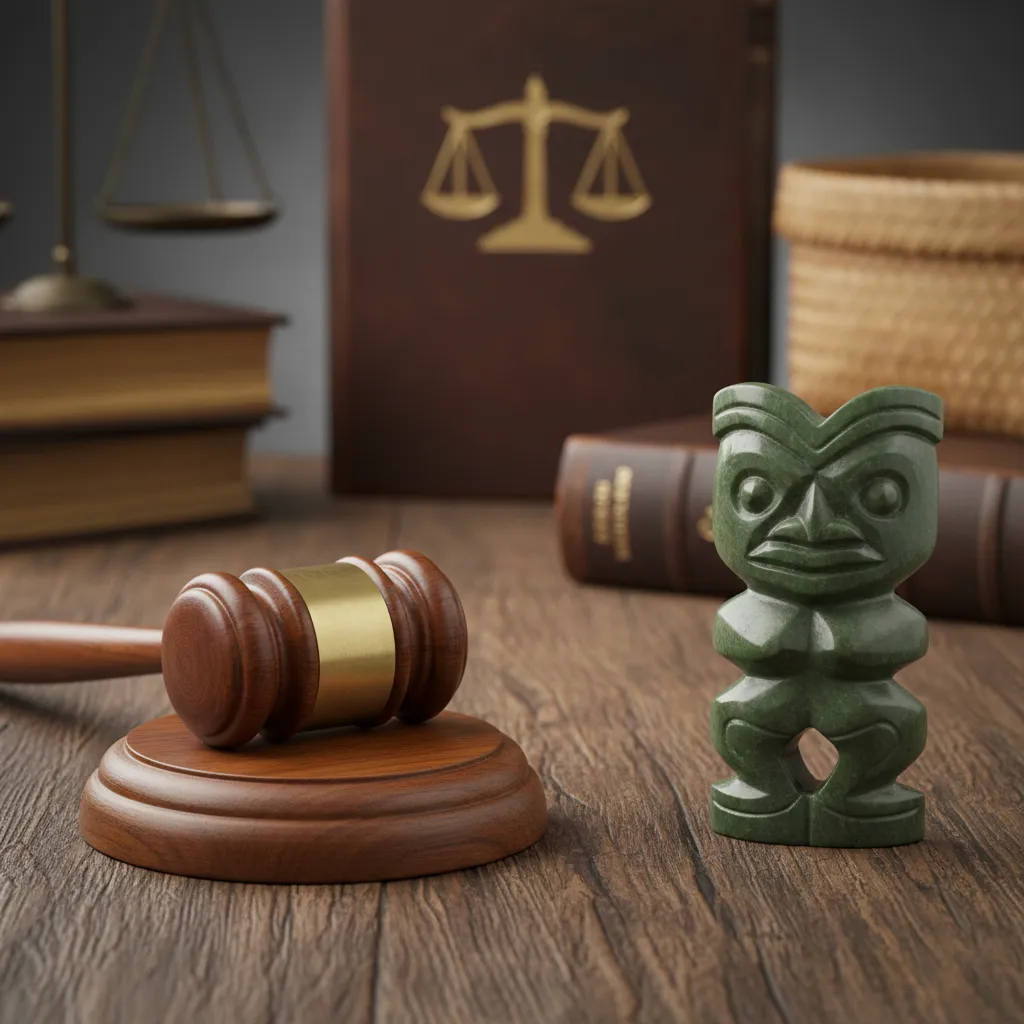
Fair Trading Act and Passing Off
In the digital space, if a non-Māori entity uses Māori branding to imply an association with an Iwi or to suggest authenticity, this may constitute a breach of the Fair Trading Act 1986. Misleading conduct regarding the origin of goods—including digital goods—is actionable. Furthermore, the common law tort of “passing off” can be used if an Iwi can prove they have established goodwill in a name or symbol, and that the unauthorized use causes damage to that reputation.
Brand Monitoring Strategies for Iwi and Hapū
Legal action is costly and time-consuming. Therefore, continuous monitoring is the most effective operational tactic for protecting Māori IP online. This involves using technology to scan the internet for unauthorized usage of cultural assets.
Social Listening and Visual Search
Modern brand protection utilizes AI-driven tools to scan social media platforms, e-commerce sites, and NFT marketplaces. These tools can:
- Text Analysis: Detect the use of specific Iwi names, dialect-specific words, or sacred terminology in hashtags, product descriptions, and metadata.
- Image Recognition: Identify visual patterns, such as specific Kowhaiwhai patterns or Tā moko designs, appearing on products or digital artwork without authorization.
Marketplace Surveillance
With the explosion of digital art, platforms like OpenSea and Rarible have become hotspots for cultural appropriation. Establishing a monitoring protocol involves setting up alerts for specific keywords and visually auditing new listings that tag “Maori,” “Indigenous,” or “Tribal” to ensure they are authentic.

The Role of Digital Asset Brokerage in Kaitiakitanga
As a Digital Asset Brokerage and Advisory firm, the responsibility extends beyond simple transaction facilitation. We act as modern intermediaries of trust. When advising Iwi on digital asset portfolios, or advising corporate clients on branding, the concept of Kaitiakitanga (guardianship) is central.
Structuring Ownership for Future Generations
Protecting IP is not just about stopping theft; it is about structuring ownership correctly. We advise on:
- Communal Ownership Models: utilizing trusts or limited partnerships that align with collective Iwi structures rather than individual ownership.
- Smart Contracts: In the Web3 space, smart contracts can be written to ensure that royalties from digital taonga flow back to the Iwi in perpetuity, embedding Tikanga into the code itself.
- Digital Whakapapa: Ensuring that the metadata of digital assets contains the correct attribution and lineage of the knowledge used.
By integrating these strategies, we ensure that the digital economy serves as a tool for cultural preservation rather than exploitation. The path to protecting Māori IP online requires vigilance, legal expertise, and a deep respect for the mana of the culture being digitized.
People Also Ask
What is WAI 262 and how does it relate to online IP?
WAI 262 is a claim lodged with the Waitangi Tribunal concerning rights to Māori culture and traditional knowledge. Online, it serves as the ethical framework for asserting data sovereignty and protecting digital taonga from unauthorized commercial use.
Can I trademark a Māori word or symbol for my website?
While it is possible to trademark Māori words, applications are reviewed by the Māori Advisory Committee. If the use is considered offensive or attempts to claim exclusive rights to a generic or sacred term, it will likely be rejected.
How do I report a website using offensive Māori content?
If the website uses a .nz domain, you can lodge a complaint with the Domain Name Commission (DNC). For content issues, you may contact the platform host directly or consult legal counsel regarding breaches of the Fair Trading Act.
What is the difference between copyright and Tikanga Māori?
Copyright is a Western legal concept protecting individual original works for a set time. Tikanga Māori views knowledge and taonga as communally owned by the Iwi/Hapū with no expiration date, emphasizing guardianship over ownership.
How can Iwi protect their name from domain squatters?
Iwi should engage in defensive registration, securing their name across multiple extensions (.nz, .iwi.nz, .com). They can also utilize the Dispute Resolution Service provided by the Domain Name Commission if a registration is found to be unfair.
Are NFTs considered taonga?
If an NFT contains digital representations of taonga (such as carvings, weaving patterns, or moko), the underlying subject matter remains taonga. The unauthorized minting of such assets is considered a breach of Tikanga and potentially IP rights.
