


Luxury Goods & Export
Luxury brand domains in NZ are premium digital assets utilizing the .nz or .co.nz suffix to authenticate New Zealand provenance for high-end exports. Securing these domains establishes immediate trust, protects intellectual property in global markets, and anchors a brand’s narrative to New Zealand’s reputation for purity, quality, and exclusivity.
In the high-stakes world of global luxury exports, your digital footprint is often the first interaction a prospective buyer has with your brand. For New Zealand producers of fine wines, Manuka honey, superyacht refits, and bespoke apparel, the domain name is not merely a web address; it is a digital deed of authenticity. As the global appetite for New Zealand’s premium goods grows, particularly in discerning markets like China, the US, and the UK, the strategic acquisition of luxury brand domains nz becomes a critical component of asset protection and brand equity.
Strategic Positioning of NZ Products Globally
When positioning a New Zealand luxury brand on the world stage, the digital entry point must reflect the exclusivity of the product. A generic .com is valuable, but it often lacks the geographic anchor that justifies a premium price point associated with New Zealand resources. New Zealand is globally renowned for its clean environment, strict regulatory standards, and artisanal quality. A premium .nz domain acts as an immediate signal of this heritage.
For exporters targeting ultra-high-net-worth individuals (UHNWI), the domain serves as the digital flagship store. Just as a physical store on Fifth Avenue or the Champs-Élysées signals prestige, a concise, single-word or category-defining .nz domain signals market leadership. It moves the conversation from “commodity” to “luxury asset” before the homepage even loads.
Why Geographic Specificity Matters in Luxury
In the luxury sector, origin is everything. Champagne must come from France; Manuka honey must come from New Zealand. By securing a domain that explicitly ties the brand to New Zealand via the ccTLD (country code top-level domain), companies leverage the “New Zealand Story”—a government-backed initiative promoting NZ’s reputation for integrity and ingenuity. This is particularly effective for:
- Agri-luxury: Premium meat, dairy, and honey products.
- Viticulture: World-class Pinot Noir and Sauvignon Blanc.
- Marine: Superyacht construction and refitting services.
- Real Estate: High-end lodges and property investment.
Using .nz to Prove Provenance and Authenticity
Counterfeiting is a multi-billion dollar threat to luxury brands, specifically those exporting to markets with high demand for imported goods. Consumers in these markets are increasingly sophisticated and wary of fakes. They look for markers of authenticity. A luxury brand domain nz functions as a digital certificate of origin.
The Trust Architecture of Local Domains
While a .com domain can be registered by anyone, anywhere, anonymously, the .nz namespace carries a perception of strict governance and direct connection to the country. When a consumer in Shanghai or London sees a .co.nz or .nz address, the psychological association is one of direct trade with the source. This reduces friction in the buyer’s journey, reassuring them that they are interacting with the legitimate producer rather than a third-party distributor or a gray-market reseller.
Furthermore, search engines like Google and Baidu utilize local signals. While .com is global, a .nz domain strongly signals to search algorithms that the entity is New Zealand-based. For queries related to “authentic NZ honey” or “New Zealand luxury lodges,” having the local extension can improve semantic relevance and authority.

High-End Branding Aesthetics in Digital Real Estate
Luxury is defined by minimalism, elegance, and exclusivity. These principles must extend to the domain name itself. Long, hyphenated, or complex URLs degrade brand equity. They feel cluttered and “down-market.” Conversely, short, memorable, and pronounceable domains exude confidence and permanence.
Characteristics of Premium Luxury Domains
In the digital asset brokerage world, specific criteria define a “premium” domain suitable for a luxury house:
- Brevity: Ideally fewer than 8 characters. Two or three-letter domains (LL.nz or LLL.nz) are the gold standard due to their rarity.
- Keywords: Category-killer domains (e.g., Jets.co.nz, Lodges.nz) command high valuations because they own the industry vertical in the consumer’s mind.
- Memorability: Easy to spell and pronounce across different languages, facilitating word-of-mouth marketing among international elites.
- Extension: While .co.nz is the traditional standard, the shorter .nz extension is gaining traction among modern luxury brands for its minimalist aesthetic.
Investing in the exact-match .nz version of your brand name is non-negotiable. If you operate as a luxury entity, allowing a speculator or competitor to hold your brand’s .nz equivalent is a massive liability. It dilutes your exclusivity and confuses your clientele.
Protecting Luxury IP in Asian Markets
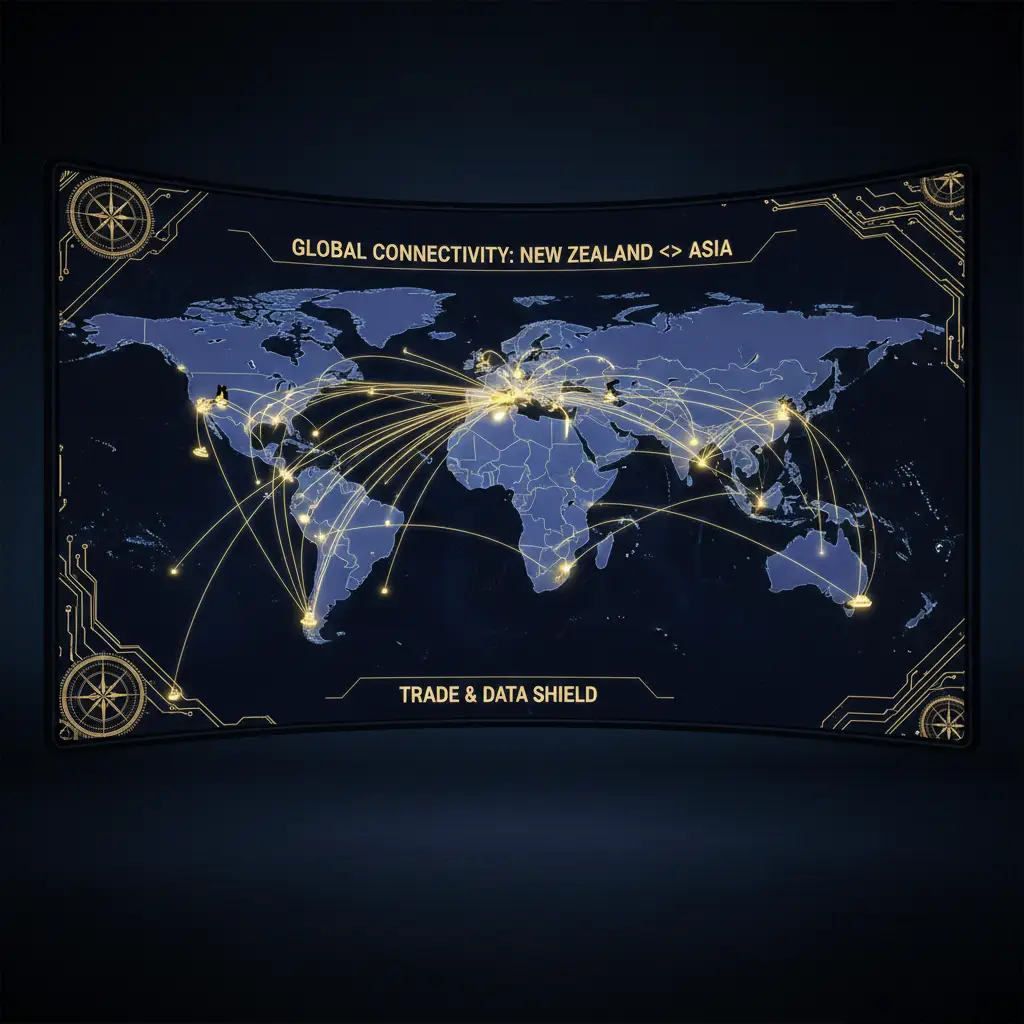
For New Zealand exporters, Asia—and specifically China—is often the primary growth engine. However, the digital landscape in Asia presents unique challenges regarding Intellectual Property (IP) protection. “Cybersquatting” or bad-faith domain registration is prevalent. Unscrupulous actors often register the .cn, .com, and .nz variations of rising luxury brands, holding them ransom or using them to sell counterfeit goods.
The Defensive Moat Strategy
Smart advisory firms recommend a “defensive moat” strategy for digital assets. This involves securing your primary luxury brand domains nz alongside key Asian extensions (like .cn or .hk) and common misspellings. However, the .nz domain remains the hub. By educating Asian consumers to look for the .nz suffix as the mark of the official “flagship” site, brands can circumvent third-party platforms.
Consider the “daigou” (personal shopper) phenomenon. Daigou agents sell NZ products to Chinese contacts via WeChat. When these end-consumers wish to verify the product, they check the website. If the brand does not own its premium .nz domain, and the consumer lands on a parked page or a competitor’s site, the sale—and the trust—is lost instantly.
The Role of Digital Asset Brokerage in Acquisition
Many premium New Zealand domains are already registered. They may be held by early internet adopters, investors, or defunct businesses. Acquiring these assets requires specialized brokerage services, distinct from standard domain registration.
Why Use a Broker?
Attempting to acquire a high-value domain directly can often backfire. If a luxury brand approaches a domain owner directly, the price often triples immediately due to perceived deep pockets. A professional digital asset broker provides:
- Anonymity: Brokers negotiate on behalf of an undisclosed buyer, preventing price gouging based on brand reputation.
- Valuation Expertise: Understanding the true market value of a .nz domain requires data on comparable sales (comps), traffic analysis, and keyword liquidity.
- Transaction Security: High-value domain transfers function like real estate escrows. Brokers ensure funds are only released when the digital asset is securely transferred to the buyer’s control.
- Stealth Acquisition: For brands planning a rebrand or a new product launch, securing the domains before the public announcement is vital to prevent front-running.

Valuing Premium New Zealand Domains
How much is a luxury brand domain nz worth? The valuation is subjective but grounded in several key metrics relevant to commercial intent.
1. Commercial Authority
Does the domain define a category? For example, Honey.co.nz or Wool.nz possesses immense commercial authority. The owner of such a domain is perceived as the market leader by default. For a luxury brand, this authority translates to lower customer acquisition costs (CAC) because the organic traffic is highly qualified.
2. Brand Safety
For an established luxury house, the cost of not owning the domain is a key valuation metric. If a malicious actor hosts a gambling or adult site on your brand’s .nz equivalent, the reputational damage could run into the millions. Therefore, the acquisition price is often viewed as an insurance premium.
3. SEO Advantage
While Google has stated that keywords in domains are less of a ranking factor than in the past, user behavior data suggests otherwise. High click-through rates (CTR) on exact-match domains signal relevance to search engines. For competitive luxury niches, this marginal gain can be the difference between page one and page two.
Conclusion: The Digital Heritage of Tomorrow
In the digital economy, your domain portfolio is as valuable as your physical inventory or intellectual property. For New Zealand’s luxury exporters, the .nz namespace offers a unique opportunity to fuse digital identity with national reputation. It is a stamp of quality, a tool for trust, and a defensive asset against global competition. Whether through defensive registration or the strategic acquisition of category-defining premium names, investing in luxury brand domains nz is an investment in the longevity and sovereignty of your brand.
People Also Ask
Why should luxury brands use a .nz domain?
Luxury brands should use a .nz domain to authenticate their products’ New Zealand provenance, build trust with international consumers who value NZ’s reputation for quality, and protect their brand identity from cybersquatters in a specific, high-value jurisdiction.
How do I buy a premium .nz domain that is already taken?
To buy a taken .nz domain, you typically need to engage a digital asset broker. They can locate the owner, perform a valuation, and negotiate an acquisition anonymously to ensure you get a fair market price and a secure transfer.
Is .co.nz or .nz better for luxury branding?
Both have value. .co.nz is the traditional, widely recognized commercial extension in New Zealand. However, .nz is shorter, more modern, and increasingly preferred for luxury branding due to its minimalist aesthetic. Ideally, a brand should secure both.
How does a .nz domain help with exporting to China?
Chinese consumers are highly wary of counterfeit goods. A .nz domain acts as a digital verification of the product’s origin. It signals that the website is directly connected to New Zealand, increasing consumer confidence and conversion rates on cross-border e-commerce platforms.
What is the cost of a premium New Zealand domain?
Prices vary wildly based on length, keywords, and commercial potential. While standard registration is cheap, premium aftermarket domains can range from $2,000 to over $100,000 NZD depending on the category dominance and brand relevance.
Can non-residents register .nz domains?
Yes, generally non-residents can register .nz domains, making them accessible for international luxury conglomerates acquiring NZ brands. However, having a local presence or legal representative is often advised for dispute resolution and trust signals.
