


Domain Security (DNSSEC)
Domain security in New Zealand involves implementing protocols like DNSSEC, Registry Locks, and robust registrar authentication to protect digital assets from hijacking and redirection. It ensures that when users type a .nz web address, they reach the authentic server, safeguarding brand reputation and customer data against DNS spoofing attacks.
In the modern digital economy, a domain name is not merely a technical address; it is a critical piece of intellectual property and a primary interface for revenue generation. For New Zealand businesses, particularly those operating in high-stakes sectors like finance, e-commerce, and digital asset brokerage, the security of the .nz namespace is paramount. With cyber threats evolving in sophistication, standard password protection is no longer sufficient to secure premium digital assets.
This comprehensive guide explores the multi-layered approach required to secure New Zealand domains, moving from fundamental cryptographic protocols like DNSSEC to administrative safeguards like Registry Locks.
What is DNSSEC and How Does It Work?
The Domain Name System (DNS) was originally designed in the 1980s as a scalable distributed database. Its primary function was utility—translating human-readable hostnames (like business.co.nz) into IP addresses—rather than security. This foundational architecture lacks inherent verification, making it susceptible to “Man-in-the-Middle” attacks and cache poisoning.
DNS Security Extensions (DNSSEC) addresses this vulnerability by adding a layer of cryptographic trust to the DNS infrastructure. It does not encrypt the data; rather, it signs the data to verify its origin.
The Chain of Trust
DNSSEC operates on a “Chain of Trust” model. When a resolver (the server looking up the website) queries a domain, it validates digital signatures at every level of the DNS hierarchy:
- Root Zone: The top of the hierarchy. The root keys sign the Top-Level Domain (TLD) keys.
- TLD Zone (.nz): The .nz registry signs the keys for the specific domain name.
- Domain Zone: The domain owner’s DNS records are signed, proving they haven’t been altered in transit.
Key Signing Keys (KSK) and Zone Signing Keys (ZSK)
To implement domain security nz standards effectively, it is helpful to understand the two types of cryptographic keys involved:
- Zone Signing Key (ZSK): This key signs the actual DNS records (like A records or MX records) within the zone. It is accessed frequently and is usually smaller to facilitate fast computation.
- Key Signing Key (KSK): This key signs the ZSK. The KSK is the critical anchor of trust. The hash of the KSK (called the DS record) is uploaded to the parent registry (InternetNZ for .nz domains) to establish the chain of trust.
Why DNSSEC Matters for NZ Businesses
Without DNSSEC, an attacker can poison the DNS cache of an ISP. This means a customer typing in your legitimate URL could be silently redirected to a fraudulent phishing site that looks identical to yours. The user would have no way of knowing they are not on the real site, as the browser address bar would show the correct domain name. DNSSEC prevents this by ensuring the resolver rejects any response that lacks a valid cryptographic signature.
Preventing Domain Hijacking
Domain hijacking involves the unauthorized transfer or modification of a domain name’s registration settings. For digital asset brokers and premium domain investors, a hijacked domain represents an immediate and often irreversible loss of capital and reputation.
Common Hijacking Vectors
Attackers rarely “hack” the DNS protocol itself to steal a domain; they hack the people or the processes managing it. Common vectors include:
- Credential Stuffing: Using passwords stolen from other breaches to access registrar accounts.
- Phishing: Sending emails posing as the registrar (e.g., “Your domain is expiring, click here to renew”) to steal login credentials.
- Social Engineering: Impersonating the domain owner via phone or email to convince registrar support staff to reset passwords or change contact details.
- Email Compromise: Gaining access to the email address listed in the WHOIS contact information, which allows the attacker to approve transfer requests.

The Impact of Hijacking
Once a domain is hijacked, attackers can redirect traffic to malware distribution sites, intercept corporate emails (facilitating further fraud like invoice redirection), or transfer the domain to an offshore registrar where recovery becomes legally complex and expensive. For a New Zealand entity, recovering a domain transferred outside the jurisdiction of the Domain Name Commission (DNC) is a nightmare scenario.
Registry Locks for Premium Assets
For high-value digital assets, standard registrar locks are insufficient. The gold standard for domain security nz is the Registry Lock.
Client Lock vs. Registry Lock
Most domain owners are familiar with the standard “lock” toggle found in their registrar’s control panel. Technically known as clientTransferProhibited, this prevents automated transfers. However, because this lock is controlled via the registrar’s portal, if a hacker compromises your registrar account, they can simply toggle the lock off and transfer the domain.
A Registry Lock (technically serverTransferProhibited, serverUpdateProhibited, and serverDeleteProhibited) operates at the registry level (InternetNZ). It effectively takes the domain “offline” regarding administrative changes.
How a Registry Lock Works
When a Registry Lock is active, no changes can be made to the domain—including changing nameservers, transferring the domain, or deleting it—without a rigorous manual verification process. This process typically involves:
- The Request: The domain owner requests a change through their registrar.
- The Authentication: The registrar contacts the Registry directly.
- Passphrase Verification: The Registry calls a pre-authorized contact at the registrar (and sometimes the registrant) to verify a unique, offline passphrase.
- Unlock: Only after this manual, human-to-human verification is the lock temporarily removed to allow the specific update.

For digital asset brokerages holding portfolios worth millions, Registry Locks are not optional; they are a fiduciary requirement. They render credential theft useless for domain theft because the hacker cannot bypass the manual verification protocol.
Two-Factor Authentication for Registrars
The registrar is the gateway to your digital assets. Securing the registrar account is the first line of defense in any domain security nz strategy.
Mandatory 2FA Implementation
Two-Factor Authentication (2FA) should be non-negotiable when selecting a registrar. However, not all 2FA is created equal:
- SMS 2FA: Better than nothing, but vulnerable to SIM-swapping attacks where attackers redirect your phone number to their device.
- App-Based 2FA (TOTP): Apps like Google Authenticator or Authy generate time-based codes locally. This is significantly more secure than SMS.
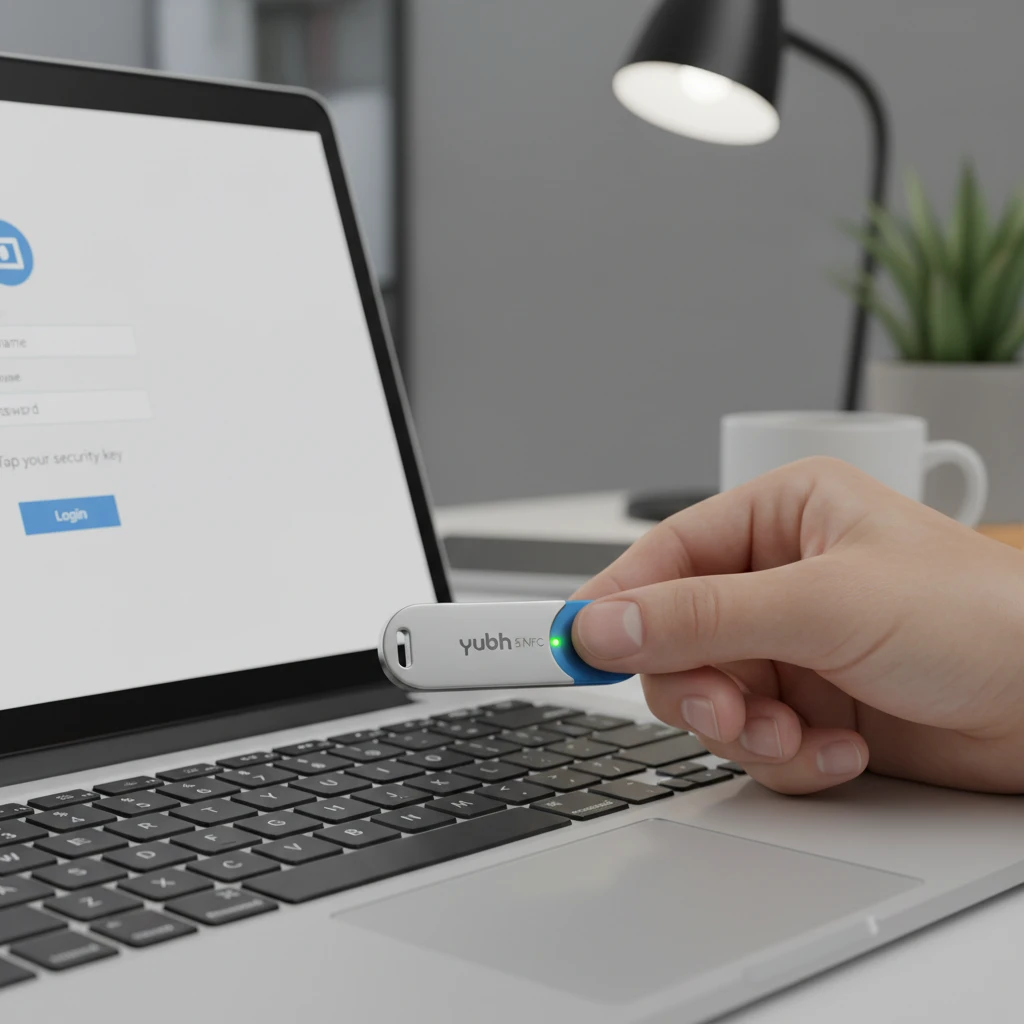
- Hardware Keys (U2F/FIDO2): Physical keys like YubiKeys offer the highest level of security. They are immune to phishing because the physical key must be present to authenticate.
Role-Based Access Control (RBAC)
Corporate domain portfolios should never be managed via a single shared login (e.g., “IT@company.co.nz”). Enterprise-grade registrars offer Role-Based Access Control. This allows organizations to grant different levels of permission to different users. For example:
- Finance Team: Can view invoices and renew domains but cannot change DNS records.
- Developers: Can update DNS records but cannot transfer domains.
- Admin: Full access, restricted to C-level executives or the Head of IT.
The New Zealand Context: DNC and .nz Policies
Navigating domain security nz requires understanding the local regulatory environment managed by the Domain Name Commission (DNC) and InternetNZ.
.nz Dispute Resolution Service (DRS)
While technical security prevents theft, legal security protects ownership rights. The DNC provides a Dispute Resolution Service for .nz domains. Understanding the DRS is crucial for asset brokers. If a domain is stolen or registered in bad faith, the DRS offers a mechanism to reclaim it without going to the High Court, provided you can prove rights to the name and unfair registration by the other party.
Registrar Authorization
In New Zealand, only authorized registrars can interact directly with the .nz registry. When auditing security, ensure your provider is an authorized .nz registrar. This ensures they are bound by DNC policies regarding grace periods, renewal notifications, and transfer authorizations, providing an extra layer of consumer protection.
Developing a Digital Asset Security Audit
For advisory firms and brokerages, conducting a regular security audit of domain portfolios is a value-added service. A comprehensive audit should check:
- WHOIS Accuracy: Is the contact information current? Is the email address secure?
- Lock Status: Are critical domains under Registry Lock? Are others under Registrar Lock?
- DNSSEC Status: Is the chain of trust unbroken? Are keys being rotated regularly?
- Nameserver Redundancy: Are you using multiple DNS providers to prevent outages during DDoS attacks?
- SSL/TLS Certificates: Are certificates valid and enforced via HSTS?
By treating domain names with the same security rigor as banking credentials, New Zealand businesses can ensure their digital presence remains resilient against the growing tide of global cybercrime.
People Also Ask
Does DNSSEC slow down my website?
Generally, no. While DNSSEC adds a small amount of data to DNS packets (the signatures), the impact on latency is negligible for end-users. In some cases, because DNSSEC responses are larger, there is a slight increase in bandwidth usage for the DNS server, but modern internet speeds make this imperceptible during browsing. The security benefits far outweigh any theoretical micro-latency.
How much does a Registry Lock cost in NZ?
The cost of a Registry Lock varies by registrar but is typically a premium add-on service. In New Zealand, prices can range from $200 to $500 NZD per domain per year. This fee covers the manual verification processes required by the registry and the registrar to implement and remove the lock.
Can I enable DNSSEC on any .nz domain?
Yes, the .nz registry supports DNSSEC. However, your DNS hosting provider (nameserver provider) and your registrar must both support it. You need a DNS provider that can sign your zone and a registrar that can upload the DS record to the .nz registry. Most enterprise-grade providers in NZ support this.
What happens if my DNSSEC keys expire?
If your DNSSEC keys expire or are misconfigured, your domain will “disappear” for users whose internet providers enforce DNSSEC validation. They will see a SERVFAIL error instead of your website. This is why automated key management and rotation by a managed DNS provider is highly recommended to prevent human error.
Is WHOIS privacy the same as domain security?
No. WHOIS privacy (or the .nz Individual Registrant Privacy Option) hides your personal contact details from the public database, reducing spam and social engineering attempts. However, it does not technically secure the domain from hijacking or DNS spoofing. It is a privacy feature, not a technical security protocol.
How do I check if my domain has DNSSEC enabled?
You can use online visualization tools like DNSViz or simple command-line tools like ‘dig’. A successful test will show a complete “Chain of Trust” from the root zone down to your specific domain. If the chain is broken or missing, the tools will highlight exactly where the validation failed.
