


DNC Registrant Rights
DNC registrant rights refer to the specific protections and entitlements guaranteed to holders of .nz domain names by the New Zealand Domain Name Commission. These rights include the freedom to transfer registrars, privacy options for individuals via WHOIS redaction, and protection against arbitrary domain cancellation, ensuring fair treatment within the .nz ecosystem.
Understanding Your DNC Registrant Rights in the .nz Ecosystem
For businesses and individuals operating within New Zealand, a .nz domain name is more than just a digital address; it is a valuable piece of intellectual property and a critical business asset. However, many domain holders (registrants) are unaware of the specific regulatory framework that protects their ownership. The Domain Name Commission (DNC) in New Zealand establishes the policies that govern the .nz domain space, creating a balance of rights and obligations between registrars and registrars.
Whether you are engaging in high-value New Zealand domain brokerage, securing localized escrow services, or simply managing a personal portfolio, understanding these rights is paramount to preventing asset loss, ensuring data privacy, and navigating disputes effectively. This comprehensive guide details the core rights you possess as a registrant and how to exercise them to protect your digital presence.
The Right to Transfer and Renew Your NZ Domain
One of the most fundamental DNC registrant rights is the portability of your domain name. Unlike some international extensions where registrars can create artificial barriers to exit, the .nz policy framework is designed to ensure that the registrant retains ultimate control over where their domain is managed.
The Role of the UDAI (Unique Domain Authentication ID)
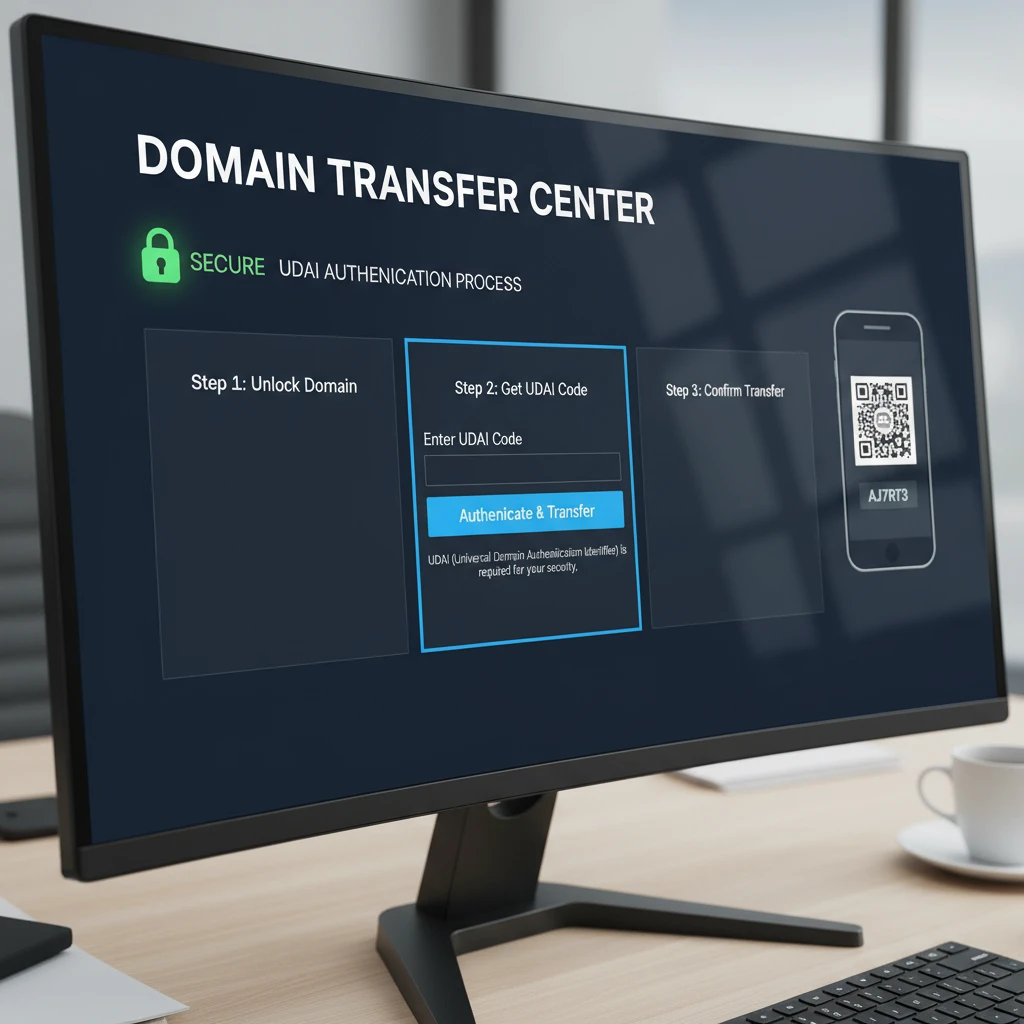
Your primary tool for exercising the right to transfer is the Unique Domain Authentication ID (UDAI). This is an 8-character code that acts as the password for your domain name. Under DNC policies, you have the absolute right to access your UDAI at any time. Registrars are obligated to provide this code promptly upon request. If you are engaging in a domain transaction or simply wish to move to a registrar with better service or pricing, the UDAI is the key mechanism.
It is important to note that a UDAI is only valid for a specific period. If you generate a UDAI but do not use it for a transfer within its validity window, you have the right to request a new one immediately. Registrars cannot charge you a fee solely for the release of this code, nor can they withhold it due to pending disputes unrelated to the specific domain’s registration fees.
Renewal Rights and Grace Periods
The right to renew your domain is protected to prevent accidental loss of valuable web properties. When a domain expires, it does not immediately become available for the general public to register. DNC policy dictates a specific lifecycle including a “Pending Release” period. During the immediate post-expiration phase, the original registrant has the exclusive right to renew the domain and restore full functionality. This prevents “domain sniping” where third parties attempt to register a domain the second a bill is missed. However, relying on grace periods is risky for high-value assets; proactive renewal is always recommended.
Privacy Rights and the WHOIS Service
In the digital age, data privacy is a significant concern. The .nz register maintains a public query service known as WHOIS, which allows anyone to look up the details of a domain name. However, DNC registrant rights include specific provisions to protect the privacy of individuals, distinguishing them from commercial entities.
The Individual Registrant Privacy Option (IRPO)
If you are registering a domain name as an individual (not for significant trade or commercial activity), you have the right to enable the Individual Registrant Privacy Option (IRPO). This is a critical right that prevents your home address and personal phone number from being scraped by spammers or displayed publicly on the WHOIS database.
When IRPO is active, the public WHOIS search will only display the registrant’s name and email address, while masking the physical address and phone number. It is vital to understand that this right is generally not extended to businesses. If you register a domain under a company name or use it for significant trading, the DNC prioritizes consumer protection and transparency, requiring that your business contact details be publicly verifiable.
Handling Privacy in Brokerage Transactions
For those involved in domain brokerage, understanding the status of WHOIS data is essential. When acquiring a domain, verifying the ownership can be difficult if IRPO is enabled. In these cases, the DNC provides mechanisms for authorized parties to request access to withheld data for legitimate reasons, such as legal disputes, but this process is strictly regulated to prevent abuse. As a buyer or seller, using a localized escrow service ensures that the transfer of ownership is handled securely without compromising the privacy rights of the individual prior to the completion of the sale.
Protection Against Unfair Cancellation
A domain name is a contract, and like any contract, it can be terminated. However, DNC registrant rights protect you against arbitrary or unfair cancellation by a registrar. A registrar cannot simply delete your domain because they no longer wish to do business with you without following due process.
Grounds for Cancellation
While you are protected against unfair cancellation, it is important to know the legitimate reasons a domain can be cancelled. These typically include:
- Non-payment of fees: If renewal fees are not paid after the requisite notifications.
- Breach of policy: Violating the terms of service or DNC policies.
- False information: Providing willfully inaccurate registrant data (discussed further in the Obligations section).
The Right to Notice
Before a domain is cancelled, registrars are generally required to provide notice to the registrant. This ensures you have an opportunity to rectify the issue—whether it is updating a credit card for payment or correcting a data error. If a registrar cancels a domain without proper notice or valid cause, the registrant has the right to appeal this action through the DNC’s complaint procedures. This layer of protection is vital for maintaining the stability of the .nz internet space.

Obligations Regarding Accurate Contact Data
Rights and obligations are two sides of the same coin. To maintain your DNC registrant rights, you must fulfill specific duties, the most critical of which is the maintenance of accurate contact information. The DNC enforces a policy of data accuracy to ensure the integrity of the .nz register.
The Consequence of Inaccurate Data
If the DNC or your registrar determines that your contact information is invalid (e.g., a disconnected phone number, a bounced email address, or a fake physical address), your domain name is at risk of suspension and ultimate cancellation. This is a common pitfall for registrants who attempt to achieve privacy by using fake data rather than utilizing the official IRPO mechanism.
During a domain validation check, if a registrar cannot contact you, they may suspend the domain. Once suspended, your website and email services will cease to function. If the data is not corrected within a specific timeframe, the domain may be cancelled entirely. Therefore, one of your primary rights—the right to hold the domain—is contingent upon your obligation to be reachable.
Updating Details During Escrow
In the context of domain brokerage, ensuring data accuracy is a critical step in the escrow process. When a domain is sold, the new owner must immediately update the registrant details. Failing to do so can lead to a situation where the previous owner legally retains rights to the domain, or the domain is cancelled for having “stale” data. A professional escrow service will verify that the WHOIS information has been successfully updated to reflect the new owner’s identity before releasing funds.
The Dispute Resolution Service (DRS)
Perhaps one of the most powerful rights available to .nz registrants is access to the Dispute Resolution Service (DRS). Disputes over domain names—such as trademark infringements or arguments over who has the better claim to a name—can be costly if litigated in court. The DNC offers the DRS as an alternative.
How DRS Works for Registrants
The DRS is an expert-based system designed to settle disputes efficiently. If someone challenges your registration of a domain name (claiming, for example, that it infringes on their trademark), you have the right to defend your registration through this service. The process involves mediation and, if necessary, expert determination.
As a registrant, you have the right to a fair hearing. The burden of proof typically lies with the complainant to show that the registration is unfair. This protects registrants from “reverse domain name hijacking,” where larger corporations attempt to bully individuals out of legitimately held domain names. Understanding the DRS process is essential for anyone holding a portfolio of high-value generic or descriptive .nz domains.

Implications for Domain Brokerage and Escrow
For professionals in the NZ domain brokerage space, DNC registrant rights act as the framework for every deal. When brokering a sale, the broker must ensure that the seller actually has the rights they claim to sell. This involves verifying the UDAI and ensuring the domain is not locked due to a dispute.
Escrow and Rights Transfer
Localized escrow services play a pivotal role in the seamless transfer of these rights. An escrow agent acts as a neutral third party, holding the buyer’s funds and the seller’s domain transfer credentials (UDAI). The funds are only released once the DNC registry confirms that the registrant rights have been successfully transferred to the buyer. This eliminates the risk of a seller taking payment and refusing to transfer the domain, or a buyer taking the domain and refusing to pay.
Furthermore, understanding the “change of registrant” policy is vital. In the .nz space, a change of registrant is technically a new registration. This resets the domain’s creation date in some records and requires the new owner to accept the standard terms and conditions. Brokers must educate their clients on these nuances to prevent post-transaction friction.
Frequently Asked Questions
What happens if my registrar refuses to release my UDAI?
If a registrar refuses to release your UDAI without a valid reason (such as unpaid registration fees for that specific domain), they are in breach of DNC policies. You have the right to file a complaint directly with the Domain Name Commission, who can intervene to ensure the code is released.
Can I hide my business address on the WHOIS lookup?
Generally, no. The .nz policies prioritize transparency for commercial entities to protect consumers. If you are trading, your physical address is required to be public. Only individuals not using the domain for significant trade can utilize the Individual Registrant Privacy Option (IRPO).
How long do I have to renew my domain after it expires?
After a domain expires, it enters a grace period (often 90 days) where the registrant can still renew it. However, services like email and website hosting will stop working immediately upon expiration. It is crucial to renew before the expiry date to avoid service interruption.
Does the DNC own my domain name?
No, the DNC regulates the space but does not own the names. As a registrant, you have a license to use the domain name for the period you have paid for. You do not own the name outright as permanent property, but you have exclusive rights to use and transfer it as long as fees are paid.
Can a domain be transferred if it is locked?
A domain cannot be transferred if it is under a “Registrar Lock” or a dispute lock. You must request your registrar to unlock the domain before the UDAI will function for a transfer. Registrars should not unreasonably withhold unlocking a domain.
What is the difference between a Registrant and a Registrar?
The Registrant is the person or company who holds the right to use the domain name (the customer). The Registrar is the authorized company that sells the domain name and manages the technical records on behalf of the Registrant.
