


DNC Domain Cancellations
An NZ domain cancellation is the formal revocation of a .nz domain name registration by the Domain Name Commission (DNC), typically resulting from policy violations such as invalid contact information or confirmed illegal activity. Once cancelled, a domain loses all functionality, including website access and email services, and eventually returns to the public pool for re-registration if not reinstated.
Understanding the DNC’s Authority in New Zealand
For businesses operating within New Zealand or international entities holding a local digital presence, the .nz extension is a mark of trust and local relevance. However, this trust is maintained through rigorous oversight by the Domain Name Commission (DNC). Unlike some generic top-level domains (gTLDs) where regulation can be lax, the DNC maintains strict stewardship over the .nz namespace to ensure the integrity of the registry.
When a domain is cancelled, it is not merely a technical glitch; it is an enforcement action. The DNC operates under a framework of policies designed to protect the public. Understanding that a domain name is a license, not a permanent property right, is crucial for any registrant. This license is conditional upon adherence to specific terms and conditions.
For domain investors and brokerage firms, a cancellation is a catastrophic event. It represents the total loss of the asset’s SEO history, traffic value, and marketability. Therefore, understanding the mechanics of nz domain cancellation is a fundamental aspect of digital risk management.
Invalid Contact Information and the ‘Fake Data’ Rule
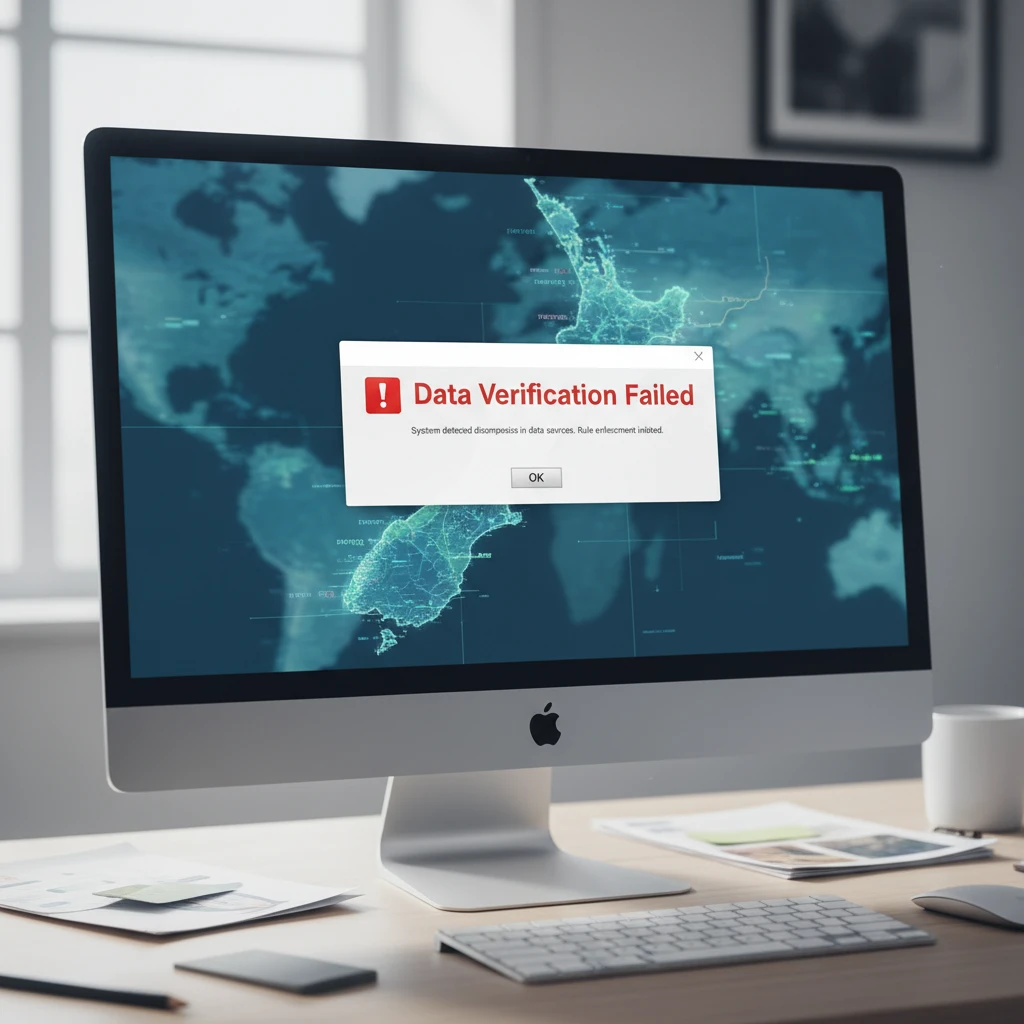
The most common trigger for an involuntary domain cancellation in New Zealand is a violation of the registration data policies. The DNC requires that all individuals and entities registering a .nz domain provide accurate, verifiable contact information. This is often referred to as the “Fake Data” rule.
Why Accuracy Matters
The integrity of the .nz namespace relies on the ability to contact domain holders. Whether for legal disputes, technical issues, or consumer protection, the “Whois” data (or the withheld data held by the registrar) must be legitimate. If a domain is used to facilitate a scam, or if a trademark dispute arises, the DNC must be able to reach the registrant.
The Data Validation Process
The DNC does not manually check every registration immediately, but they do employ spot checks and respond to complaints. The validation process typically follows these steps:
- Trigger Event: A bounce-back email from the registrant’s address, a disconnected phone number, or a specific complaint filed by a third party regarding the accuracy of the data.
- Request for Verification: The Registrar (the company you bought the domain from) will contact you requesting proof of details. This might be a utility bill, a driver’s license, or a simple email verification link.
- The 15-Day Window: Registrants are generally given a specific timeframe—often 15 days—to correct the data. Failure to respond or provide valid data results in the domain being suspended.
If you have registered a domain using a pseudonym, a fake address, or a disposable email account that is no longer active, you are at high risk of immediate cancellation. In the world of domain brokerage, we often see valuable assets lost because a registrant forgot to update an email address after an employee left the company.
Cancellations Due to Illegal Activity in NZ
While data accuracy is an administrative hurdle, cancellations due to illegal activity are far more severe and often happen much faster. The DNC works closely with trusted agencies to police the namespace against malicious actors.
The Role of Trusted Notifiers
New Zealand utilizes a robust framework involving “Trusted Notifiers.” These are organizations recognized by the DNC as authorities in their respective fields. They include:
- CERT NZ: For cybersecurity threats, malware, and phishing.
- Department of Internal Affairs: For objectionable content and spam.
- Ministry of Health: For illegal sale of medicines or controlled substances.
- Financial Markets Authority (FMA): For investment scams and fraudulent financial services.
Emergency Suspension
If a domain is flagged by a Trusted Notifier—for example, a domain hosting a phishing site mimicking a New Zealand bank—the DNC has the power to suspend the domain immediately. This is done to prevent immediate harm to the public. Unlike data verification issues where you get a grace period, illegal activity suspensions are often executed first, with questions asked later.
For legitimate businesses, this underscores the importance of website security. If your legitimate WordPress site is hacked and used to serve malware, you could face an nz domain cancellation not because you are a criminal, but because your asset has become a liability to the national infrastructure.
The Lifecycle of a Cancellation: Suspension to Release
It is vital to distinguish between suspension and cancellation. They are different stages in the lifecycle of a domain’s death.
Stage 1: Suspension
When a policy breach is identified, the domain is first suspended. During suspension, the domain is removed from the DNS (Domain Name System). This means:
- The website goes offline immediately.
- Emails sent to the domain will bounce.
- The domain is still technically “owned” by the registrant, but it is inactive.
This period is your final warning. It is the window in which you must act to save the asset.
Stage 2: Cancellation
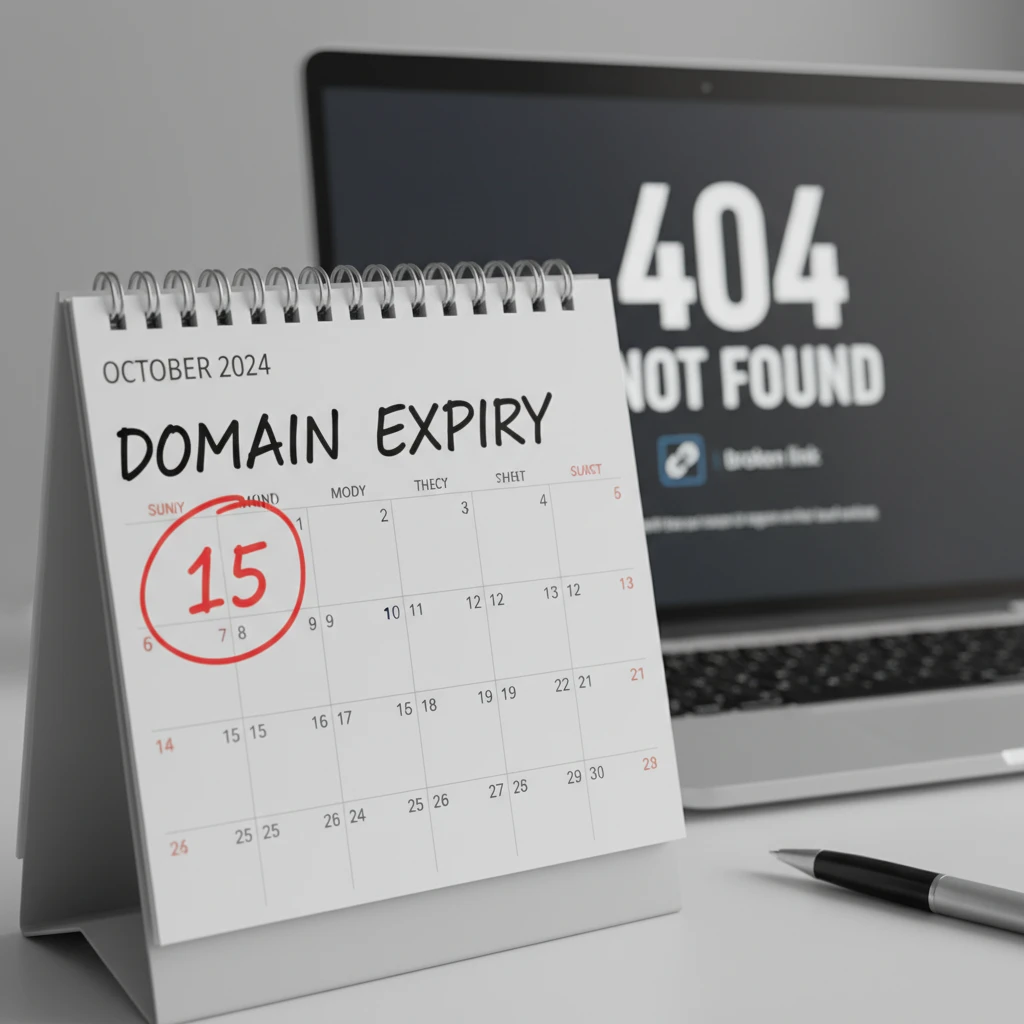
If the suspension period expires without resolution (usually 14 to 30 days depending on the specific breach), the domain is cancelled. At this point, the contract between the registrant and the registrar is terminated.
Stage 3: Pending Release (Redemption)
After cancellation, the domain typically enters a “Pending Release” or redemption period. This is a buffer zone, usually lasting 90 days for .nz domains, where the domain is not yet available to the public but is no longer active. Recovering a domain at this stage is possible but often incurs higher fees and administrative hurdles.
How to Reinstate a Cancelled NZ Domain
If your domain has been cancelled, time is your most critical resource. The reinstatement process depends on the reason for cancellation and the current status of the domain.
Reinstating After Data Validation Failure
If the domain was cancelled due to invalid contact details, the path to reinstatement is straightforward but urgent:
- Contact Your Registrar Immediately: Do not contact the DNC directly for this; they will refer you back to your registrar (the company you pay fees to).
- Update Your Details: Provide the correct name, address, phone number, and email.
- Submit Proof: You will likely need to email scanned copies of identification (Passport, Driver’s License) or utility bills to prove the new data is valid.
- Pay the Fee: Registrars may charge a reinstatement fee on top of the standard renewal fee.
Once the registrar verifies the new data, they can lift the suspension or request the DNC to reinstate the domain.
Reinstating After Illegal Activity Flags
This is significantly more complex. If your domain was cancelled because it was hacked:
- Clean the Server: You must prove that the malicious content (malware, phishing pages) has been completely removed.
- Security Audit: You may need to provide a report showing how the breach happened and what steps (patches, firewall updates) were taken to prevent recurrence.
- Appeal to the DNC: In cases of illegal activity, the registrar may need DNC approval to lift the ban.
The Process of Appealing a DNC Cancellation
There are instances where a registrant feels a cancellation was unjust. Perhaps the “invalid data” was actually a legitimate privacy service, or the “illegal activity” was a false positive flagged by an automated system.
Step 1: Informal Resolution
Always start with your registrar. Many “cancellations” are actually registrar-level suspensions due to billing issues or misunderstandings. Clarifying the situation with their support team resolves 90% of issues.
Step 2: Formal Complaint to the DNC
If the registrar cannot help, or if the cancellation came directly from a DNC directive, you can file a formal dispute.
- Documentation: Gather all evidence. If it is a data dispute, have your incorporation papers or ID ready. If it is a content dispute, have logs showing the content was legitimate.
- Submission: Submit a query via the DNC website’s contact form, specifically referencing the domain name and the specific policy clause you believe was applied incorrectly.
Step 3: Legal Intervention
For high-value domains—such as premium single-word .nz domains worth tens of thousands of dollars—it may be necessary to engage legal counsel specializing in intellectual property and telecommunications law. In the context of NZ domain brokerage, we often advise clients to seek legal support immediately if a high-value asset is threatened with cancellation, as the loss of revenue during downtime can be substantial.

Prevention and Asset Protection
As escrow and brokerage professionals, we emphasize that prevention is cheaper than reinstatement. To avoid the nightmare of an nz domain cancellation, follow these best practices:
- Use Dedicated Management Emails: Never register a domain with an employee’s personal email. Use a generic admin address (e.g., domains@yourbusiness.co.nz) that multiple directors can access.
- Enable Auto-Renew: While non-payment is a different issue, it often leads to the same result. Ensure credit cards on file are current.
- Audit Whois Data Annually: Make it a corporate policy to review domain contact details once a year.
- Secure Your Hosting: Prevent “illegal activity” suspensions by keeping your CMS (WordPress, Joomla, etc.) updated to avoid being a vector for malware.
Your domain is your digital real estate. In New Zealand’s regulated environment, maintaining the quality of that real estate requires adherence to DNC policies. By keeping your data clean and your servers secure, you ensure your digital assets remain safe.
Can I get a cancelled domain back after the redemption period?
Once the redemption period (typically 90 days for .nz) ends, the domain is released to the public pool. At this point, anyone can register it on a first-come, first-served basis. You cannot “reinstate” it; you must register it as a new domain, provided no one else beats you to it.
Does the DNC refund fees if a domain is cancelled?
No. If a domain is cancelled due to a policy violation (such as fake data or illegal activity), the DNC and the registrar do not refund the remaining registration period. The cancellation is considered a breach of contract by the registrant.
Can I use a PO Box for my .nz domain registration?
Yes, a PO Box is generally acceptable for the postal address field, provided it is a valid, deliverable address. However, you must still provide a valid physical address if requested for legal jurisdiction purposes, and your email and phone number must be operational.
How long does it take to lift a suspension?
If the suspension is due to invalid data, it can often be lifted within 24 hours of the registrar verifying your new documents. If the suspension is due to illegal activity/malware, it may take longer as the DNC or the host needs to verify the security threat has been fully neutralized.
What happens if my Registrar goes out of business?
If your registrar fails, your domain is not cancelled. The DNC has procedures to bulk-transfer domains to a temporary caretaker or another accredited registrar to ensure registrants do not lose their domains due to registrar insolvency.
Is Whois privacy allowed on .nz domains?
Yes, individuals (non-traders) can opt for the Individual Registrant Privacy Option (IRPO) to hide their address and phone number from the public search. However, the data held by the registrar must still be accurate and real; privacy is not an excuse for fake data.
